


What Does 40% ABV Mean?
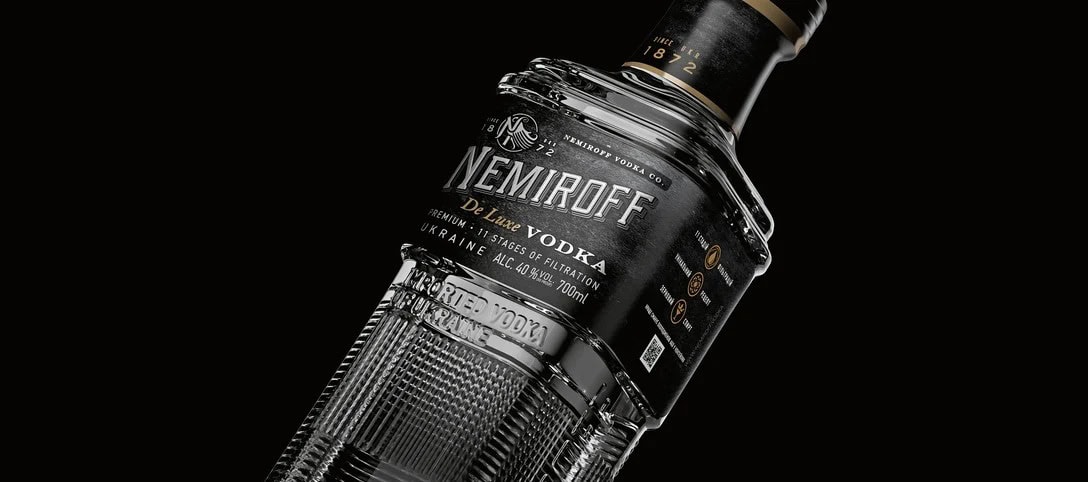
ABV means alcohol by volume. A vodka labelled 40% ABV contains alcohol equivalent to 40 ml in every 100 ml of the finished drink. The remaining volume is mainly water.
The phrase ‘40 degrees’ is sometimes used for this strength, but 40% ABV is the clearer label. On the US proof scale, the same strength is 80 proof.
Why Is Vodka Usually 40% ABV?
Forty per cent is a common bottling strength, rather than a universal legal requirement or a scientifically fixed optimum. Producers use different bottling strengths within the rules of the market where the drink is sold.
Vodka sold in the UK must be at least 37.5% ABV. The US minimum is 40% ABV, so a 40% bottle meets both strength thresholds. These are minimum requirements, not maximums, and the bottle label gives the strength of the product you are buying.
ABV alone does not explain quality or taste. It also does not indicate how much alcohol you have consumed without knowing the serving size: 50 ml of 40% vodka contains twice as much alcohol as 25 ml.
Nemiroff Vodka and Alcohol Strength
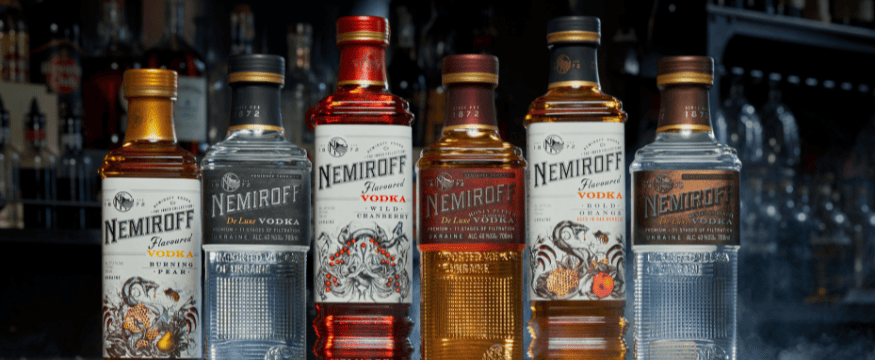
Nemiroff’s published nutritional information lists De Luxe, The Inked Collection Bold Orange and The Inked Collection Wild Cranberry at 40% ABV. Check the label on the specific bottle for its stated strength.
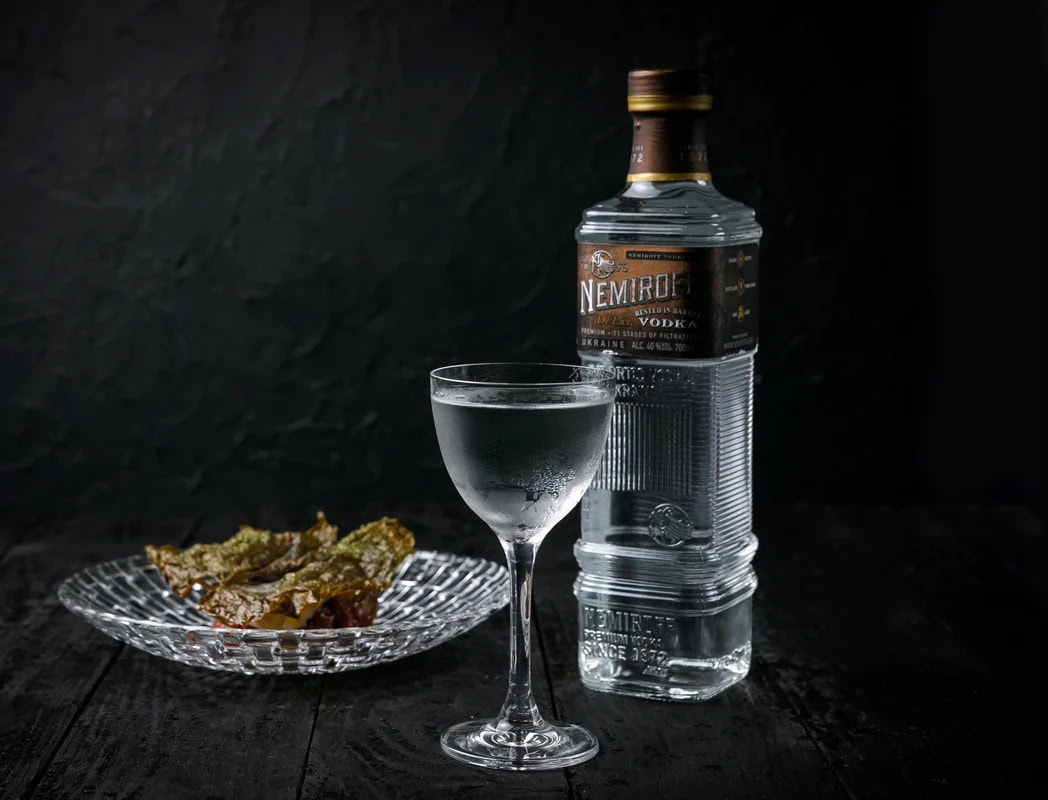
When vodka is mixed into a cocktail, the drink’s final ABV depends on the quantities of all ingredients and any dilution. The bottle’s 40% ABV is not the ABV of every finished cocktail.
| ABV | US proof | Alcohol in 100 ml |
| 37.5% | 75 | 37.5 ml |
| 40% | 80 | 40 ml |
| 50% | 100 | 50 ml |
You may also like


FAQ
No. In the UK, vodka must have a minimum strength of 37.5% ABV. In the US, the minimum is 40% ABV. Bottles above those minimums are also available, so check the label.
It is on the US proof scale, where proof is twice the ABV percentage. A vodka labelled 40% ABV is therefore 80 US proof. ABV and proof are different measurements.
A 25 ml measure contains 10 ml of pure alcohol: 25 × 0.40 = 10. A larger serving contains more alcohol even when the ABV is unchanged.
The strength printed on the vodka bottle stays the same. The finished drink has a lower ABV because the mixer increases the total volume. The amount of alcohol remains the same unless you change the vodka measure or add another alcoholic ingredient.
No. Alcohol strength affects the drink, but the ingredients, production and serving temperature also influence how it tastes. An ABV of 40% does not guarantee a particular flavour or make alcohol safe to drink.