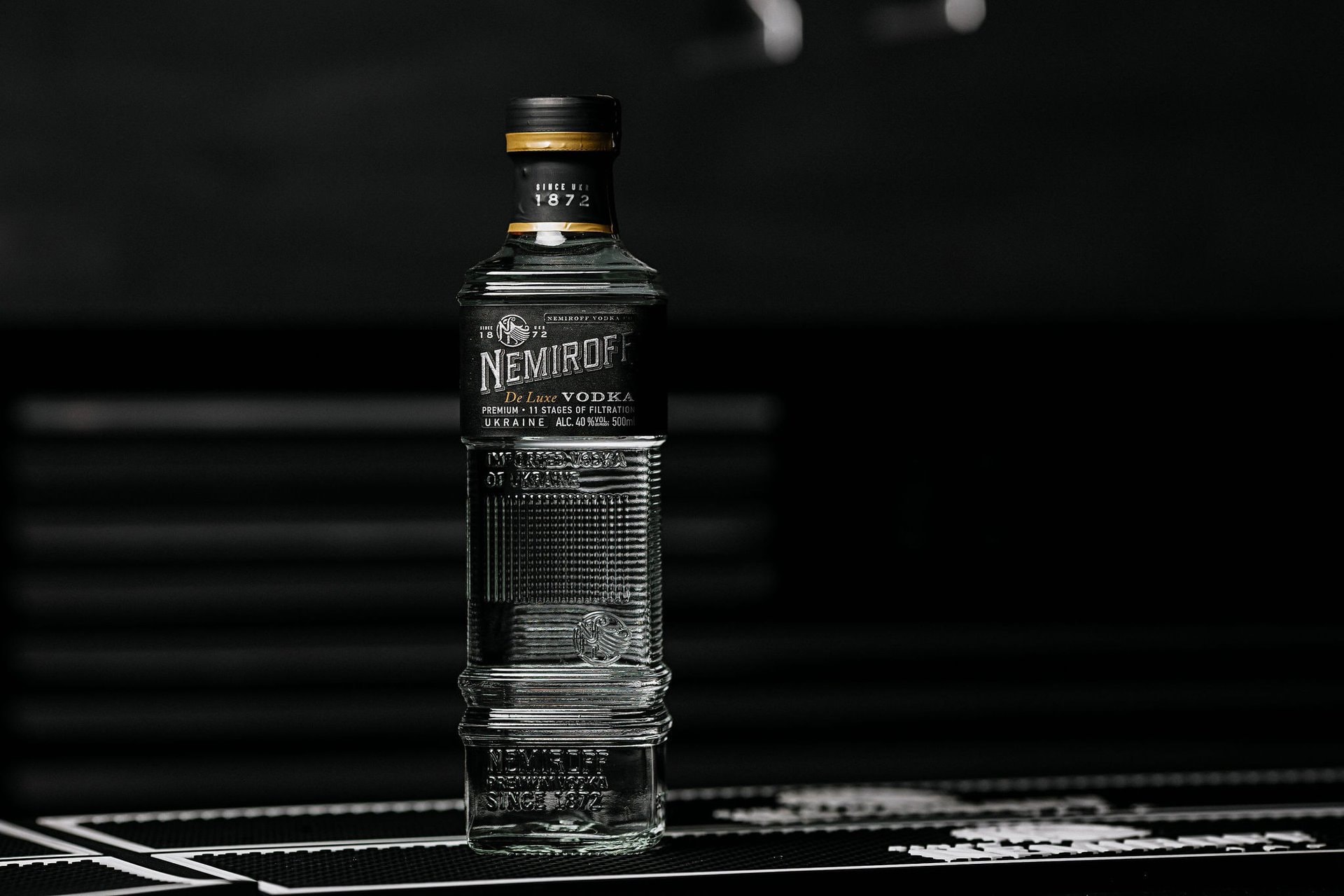

What influences the taste of vodka? Why do drinks with the same alcohol content taste different? In most cases, discussions about vodka boil down to its proof or its price. But the real magic lies in the ingredients – what is added to the bottle before it hits the shop shelf.
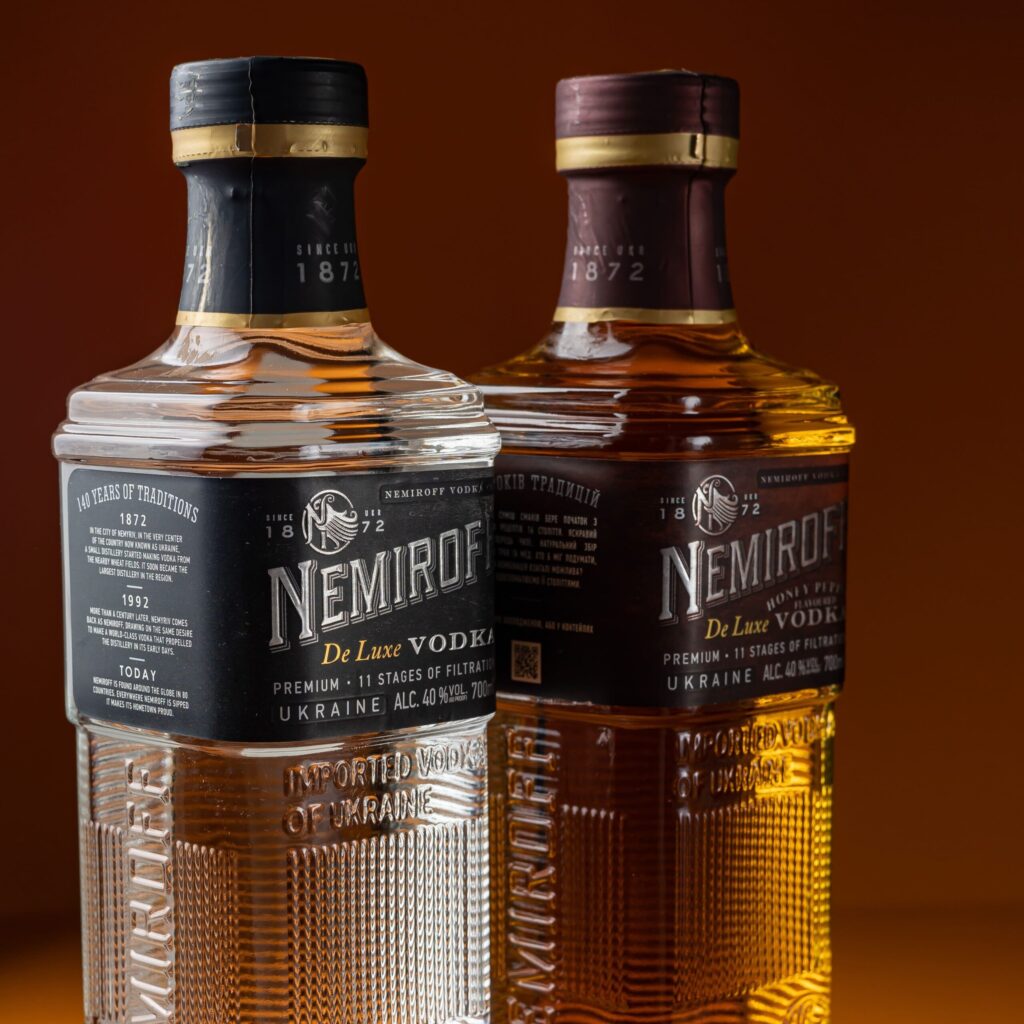
We’ve gathered some interesting facts about vodka, its composition and the origins of its flavour. We’ll explain why some spirits, such as Nemiroff products, have a bready aroma. We’ll also look specifically at the issue of natural additives. Why do they not spoil the drink, but rather make it more complex and interesting?
Interesting Facts About Vodka
For most consumers, vodka is simply a mixture of alcohol and water. But the latest facts about vodka production reveal a much broader picture. Few people realise that there are over ten types of raw materials from which a distillate can be produced. These include not only traditional wheat, but also grapes and sugar cane. Each of these raw materials leaves its mark on the drink’s character.
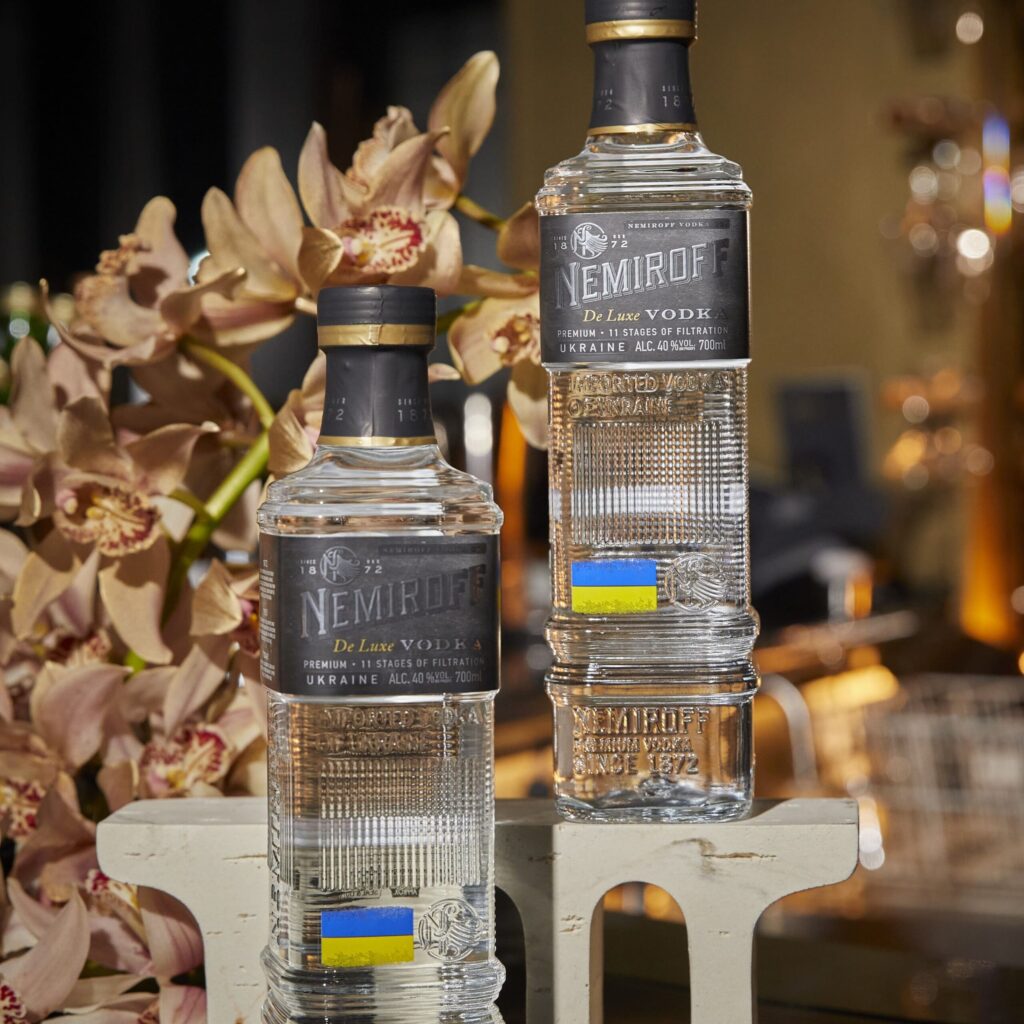
Another interesting aspect is the filtration process. Today, Nemiroff production and other global brands use not only charcoal but also precious metals or minerals in their production. Such as quartz, silver, platinum and amber. This is not merely a marketing ploy. Different materials have varying degrees of porosity, which allows for the selective removal of micro-impurities and influences the structure and taste characteristics of the drink. This makes the drink as smooth as possible, whilst retaining its “body”.
The Origin of Vodka’s Flavour
The origin of vodka’s flavour lies in the use of carefully selected, high-quality raw materials, well-chosen recipes, and the latest and classic technologies, combined with the experience and expertise of our distillers. Even with a high degree of neutralisation, the drink retains micronutrients: essential oils, aldehydes and higher alcohols in trace quantities. It is these that shape the texture – the “velvety smoothness”, “crystal clarity” or “light grainy note”.
The perception of vodka’s taste can be broadly divided into three levels:
– Attack – first impression: lightness, coolness, purity.
– Body – mid-palate: smoothness, balance, subtle notes of the raw ingredients.
– Finish – aftertaste: length, clean finish, absence of harshness

A high-quality vodka unfolds gradually: from a light, refreshing initial sensation, through a smooth body, to a clean, lingering finish without any off-flavours. This harmonious profile is achieved through careful control at every stage of production – from the selection of raw materials to the bottling of the finished product.
Interesting Facts About the Composition of Vodka
The basic ingredients seem simple: spirit and water. But the facts about vodka’s composition reveal the complexity of the process:
– The spirit must meet rectification standards (typically 96% ABV). However, the raw materials from which it is derived (grain, fruit or molasses) affects the microstructure.
– The water undergoes a multi-stage treatment process: mechanical filtration, reverse osmosis and demineralisation. It may also be mineralised to a specified profile.
– Additional flavour components (natural extracts, honey, spices) are added in measured doses to enhance, rather than overwhelm, the base flavour.
– Filtration is the finishing touch: activated carbon, silver or other materials “polish” the drink, removing residual impurities.
Nemiroff drinks are distinguished by their meticulous approach to formulation and ingredient selection. Indeed, they undergo rigorous quality control at every stage, from laboratory analysis of the raw materials to organoleptic assessment of the finished drink by a team of experts.
Myths About the Ingredients in Vodka
Over the centuries, a veritable body of folklore has grown up around the composition of vodka. Most of these legends are based on outdated technologies from the last century. The modern quality standards do not share any similarities with these ancient techniques. The process of debunking these myths enables us to see the complete development of production methods which have transformed the production and the global industry.
Vodka Is Made from Potatoes
The stereotype exists because of its historical background, yet it does not match the actual situation in contemporary society. In the 18th and 19th centuries, potatoes were indeed used in Central and Eastern Europe due to their availability and high starch content.
However, today most premium producers have moved away from it. The combination of wheat, rye, maize and barley produces a raw spirit that has a cleaner taste and more reliable quality while maintaining a soft drinking experience. The purification process for potato spirit becomes difficult because of its high alcohol content and additional compounds which create a more intense flavor profile.
The present quality standards demand a high degree of neutralization, which is why grain-based raw materials remain the gold standard for consistent flavour.
All Types of Alcohol Are the Same
Technically, rectified spirit has a consistent strength. However, its chemical structure depends on the raw materials and production technology. Even after multi-stage filtration, micro-impurities remain in the drink, which contribute to its texture and the sensation on the palate.
For example, wheat spirit is characterised by a delicate, creamy smoothness; rye spirit adds a slight spiciness and structure; and maize spirit offers natural sweetness. Therefore, the claim that “all spirits are the same” is false.
All Types of Alcohol Are the Same
Technically, rectified spirit has a consistent strength. However, its chemical structure depends on the raw materials and production technology. Even after multi-stage filtration, micro-impurities remain in the drink, which contribute to its texture and the sensation on the palate.
For example, wheat spirit is characterised by a delicate, creamy smoothness; rye spirit adds a slight spiciness and structure; and maize spirit offers natural sweetness. Therefore, the claim that “all spirits are the same” is false.
Additives Make the Drink “Worse”
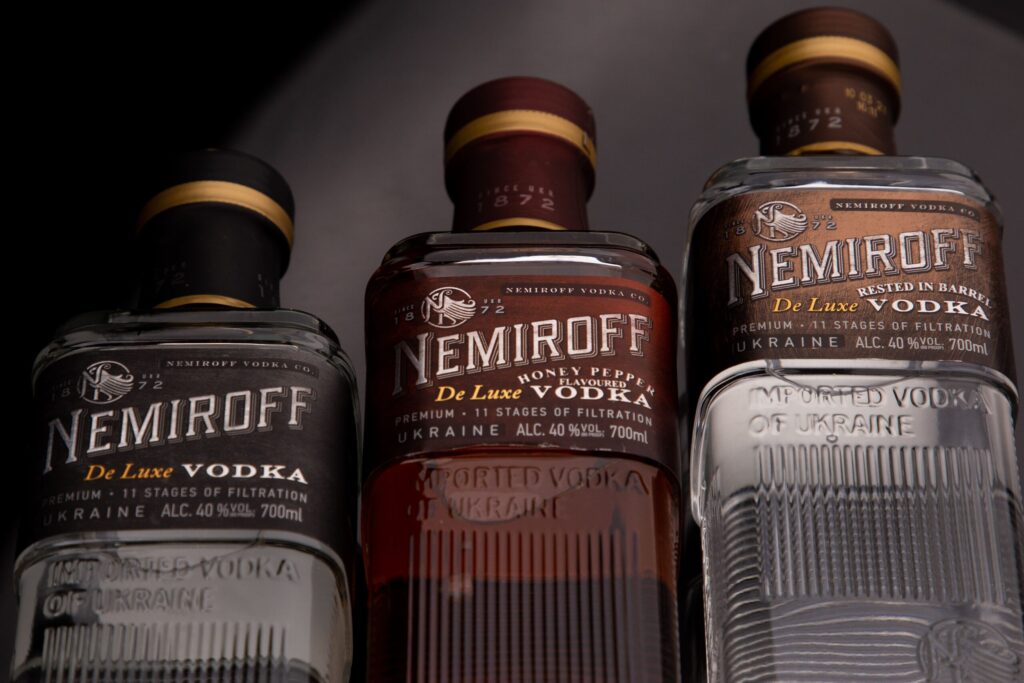
This myth stems from confusion between natural ingredients and synthetic additives. It is true that cheap, chemical-based flavourings produce a one-dimensional, artificial taste. But in-house aromatic spirits and infusions made from natural plant-based ingredients (flowers, herbs, fruits, roots) are in a completely different league.
Natural ingredients add a complexity to the drink that pure vodka simply cannot provide. For example:
– honey softens the sharpness of the alcohol and adds a warm, rounded flavour;
– linden blossom provides a delicate floral aroma;
– chilli – a crisp, dry spiciness without any chemical sharpness.
Premium authentic vodka is produced by principle of using only natural ingredients.
The Secrets of Vodka Ingredients
When it comes to the secrets of vodka ingredients, the most important factor is not a single component, but the interplay between all the elements – in other words, the harmony of the drink. Even the finest water and the highest-quality spirit do not guarantee the desired result if filtration is inadequate. And even perfect filtration won’t save you from poor-quality raw materials. Natural additives will not work if the base has off-flavours.
That is precisely why leading producers control the entire production chain – from the quality of the spirit and water right through to the bottle. This means:
– own or partner-owned agricultural land with select grain;
– enclosed water sources with a stable mineral composition;
– multi-stage filtration that remains consistent from batch to batch.
This is precisely why high-quality vodka with a distinct character is difficult to replicate: one can replicate the ingredients, but not the entire system of their interaction.
What Makes the Ingredients in Vodka so Special
So, vodka is a simple drink in terms of its formula but complex in its production. Water, alcohol, filtration, natural ingredients – each of these elements contributes to the final experience. The production process and facts about the origin of vodka’s ingredients help explain why two bottles both labelled “40%” can taste completely different. The raw materials define the character. Water determines the texture and smoothness. Filtration ensures purity. Natural additives add depth and complexity.
Next time you’re choosing a drink, pay attention to the ingredients and the number of filtration stages – these factors will tell you more than any advert ever could.
You may also like