Many people believe that vodka should simply be placed in the freezer and left until the bottle is covered in frost. However, a professional approach to tasting requires a more nuanced understanding of the processes involved. The serving temperature directly affects how the grain spirit will unfold, whether the drink will be smooth or lose its unique characteristics. For premium Nemiroff products, this balance is crucial.
Proper chilling is not an attempt to mask the taste of alcohol with cold. It is a way to emphasise its texture and density. When the drink reaches the right temperature, it becomes enveloping, and the sharpness of the alcohol fades into the background. In Australia, where the climate dictates its own rules, the ability to work with temperature becomes a real art.
Why Temperature Matters More than You Think
Temperature is the key factor influencing taste. A drink that is too warm will seem harsh and burning. Proper cooling transforms the texture of vodka, making it denser, smoother and velvety. It is in this state that the softness of high-quality spirits is fully revealed and the subtle, refined nuances of selected grains come to the fore.
You need to know that low temperatures reduce the ability of tongue’s receptors to function normally. The flavour of a drink becomes completely lost when you cool it to extremely low temperatures. The best vodka serving temperature allows you to drink the alcohol smoothly while preserving its original flavour profile. The difference between inexpensive items and high-quality products becomes most noticeable during direct comparison.
Understanding Vodka’s Composition and Freezing Point
The question: ‘does vodka freeze?’, arises for those who have forgotten a bottle in the freezer for a long time. With an alcohol content of 40%, the freezing point of the drink is no less than -27°C. Ordinary household freezers rarely go below minus 18-20 degrees. Therefore, the liquid remains fluid but becomes dense.
The drink is a complex mixture of water and ethyl alcohol. Alcohol prevents water from turning into ice at standard sub-zero temperatures. However, when it is cooled to extreme temperatures, the physics of the process changes. The liquid begins to resemble syrup.
This state is highly valued by lovers of pure shots – the thick consistency creates a unique sensation in the mouth. At the same time, it is important to consider the following factors:
– The purity of the water in the composition affects the transparency of the beverage when cooled.
– The presence of natural extracts may slightly alter the freezing point.
– The cooling rate affects the viscosity and fluidity of alcohol.
These nuances determine how pleasant the first sip will be.
The Ideal Serving Temperature for Different Vodka Styles
There is no universal rule – it all depends on the specific drink. Classic pure vodka is best served at a temperature of +4 to +7 degrees. At this temperature, it is cold enough to be refreshing, but not so cold as to numb the taste buds.
If it is a craft version with added botanicals or spices, the temperature should be raised to +10 degrees. This will allow the essential oils to evaporate more actively, bringing the aroma to the taster. For those who prefer cocktails, the base temperature can be even lower – the ice in the shaker will do its job during the mixing process.
Freezer vs. Fridge: Choosing the Right Method
Many people wonder: should vodka be frozen or is it enough just to keep it in the fridge? The answer depends on your intentions. The fridge is ideal for leisurely tasting. In a few hours, the bottle will reach a stable +5 degrees. This is considered the gold standard for most situations.
Putting vodka in the freezer is suitable for creating that “syrupy” effect. The freezer instantly reduces the aggressiveness of the alcohol. However, keep in mind that after such cooling, you are unlikely to feel the subtle aroma of wild herbs or honey. This is more of a technical serving method for quick consumption.
If you are using Nemiroff products for complex mixes, pre-chilling will help to preserve the structure of the drink in the glass for longer, preventing it from being diluted quickly by melting ice.
Common Mistakes that Ruin Vodka’s Flavour
The most common mistake is serving vodka at “room” temperature. In a warm room, vodka heats up quickly, turning into a heavy and harsh drink. Another extreme is using ice made from poor-quality water. Melting ice dilutes the drink, disrupting the balance established by technologists during production.
You should also avoid storing an open bottle uncorked for too long. The alcohol evaporates, and the drink absorbs foreign odours from the fridge. When choosing the best way to store vodka, it is worth paying attention to several key points:
– The airtight seal prevents oxidation and loss of strength.
– Keeping it out of direct sunlight preserves the purity of the aroma.
– A stable temperature prevents the natural ingredients from deteriorating.
These simple rules will help preserve the original flavour of the product for longer. Even the best vodka can lose its qualities if it is stored incorrectly in a cupboard or on a shelf.
Glassware, Storage, and Serving Techniques
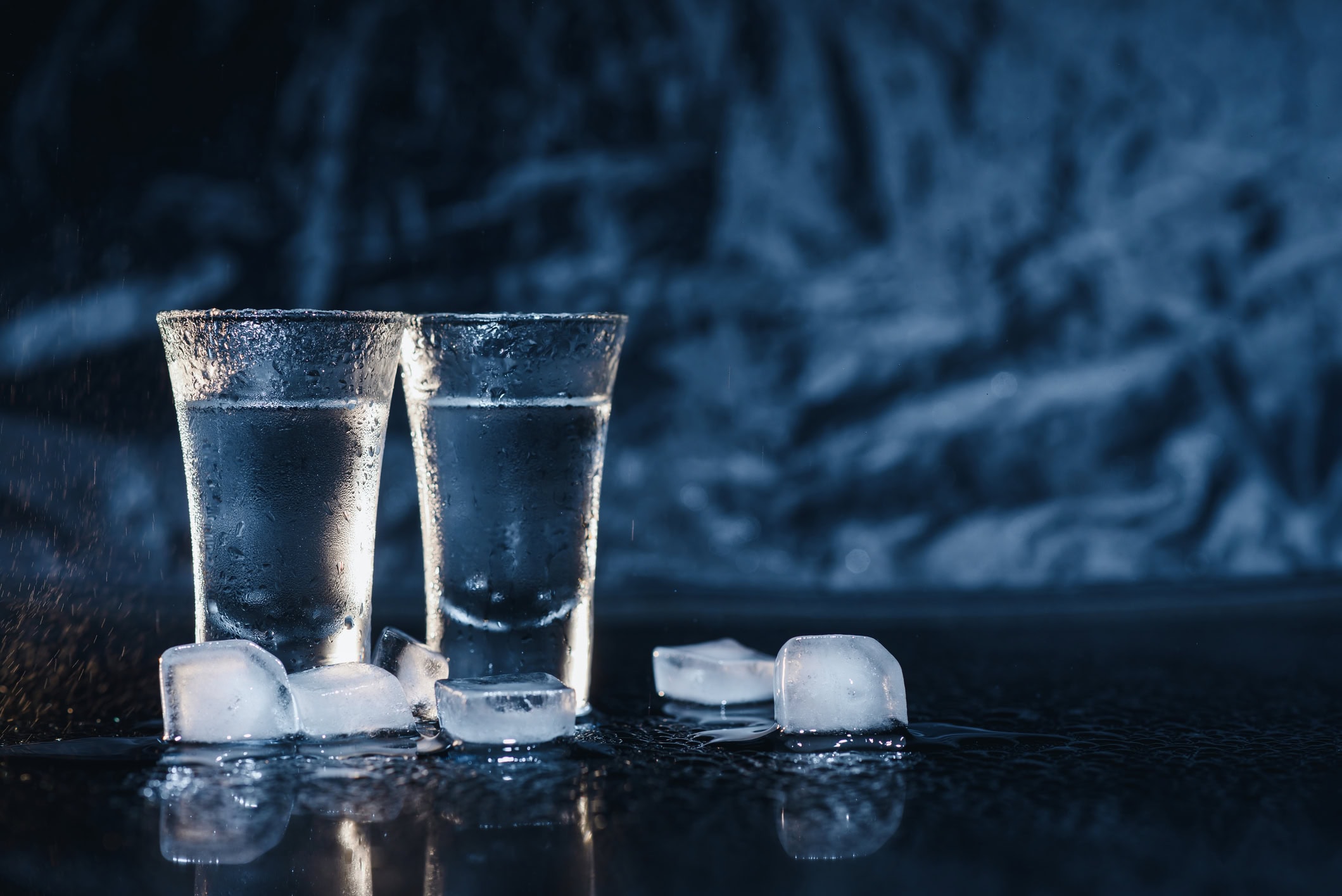
The small shot glasses with thin stems and the traditional 50 ml shot glasses are the best choice for drinking neat vodka. An important life hack is to chill all the glassware, including the bottle and the glasses. Frost on the glass looks attractive and helps to keep drinks at their optimal temperature for an extended period.
You shouldn’t hold a glass in your hands for too long, as you need to serve drinks. Your hands will immediately transfer their warmth to the liquid. The ice bucket serves as the ideal solution for keeping the bottle cool during a long dinnerr. The use of special ice tongs and chilled accessories emphasises the high level of service.
When Not to Chill Vodka at All
There are moments when chilling is contraindicated. This applies to ultra-premium releases with a very complex aromatic profile. If the vodka contains rare plant extracts, excessive chilling will mask the entire bouquet.
Such drinks are tasted at room temperature or slightly chilled to +12-15 degrees. This allows you to appreciate the purity of the spirit and the smoothness of the aftertaste. If your goal is to experience every nuance of the composition, forget about the freezer. Cold is a shield that masks the drink, whilst moderate warmth is the key that unlocks it.