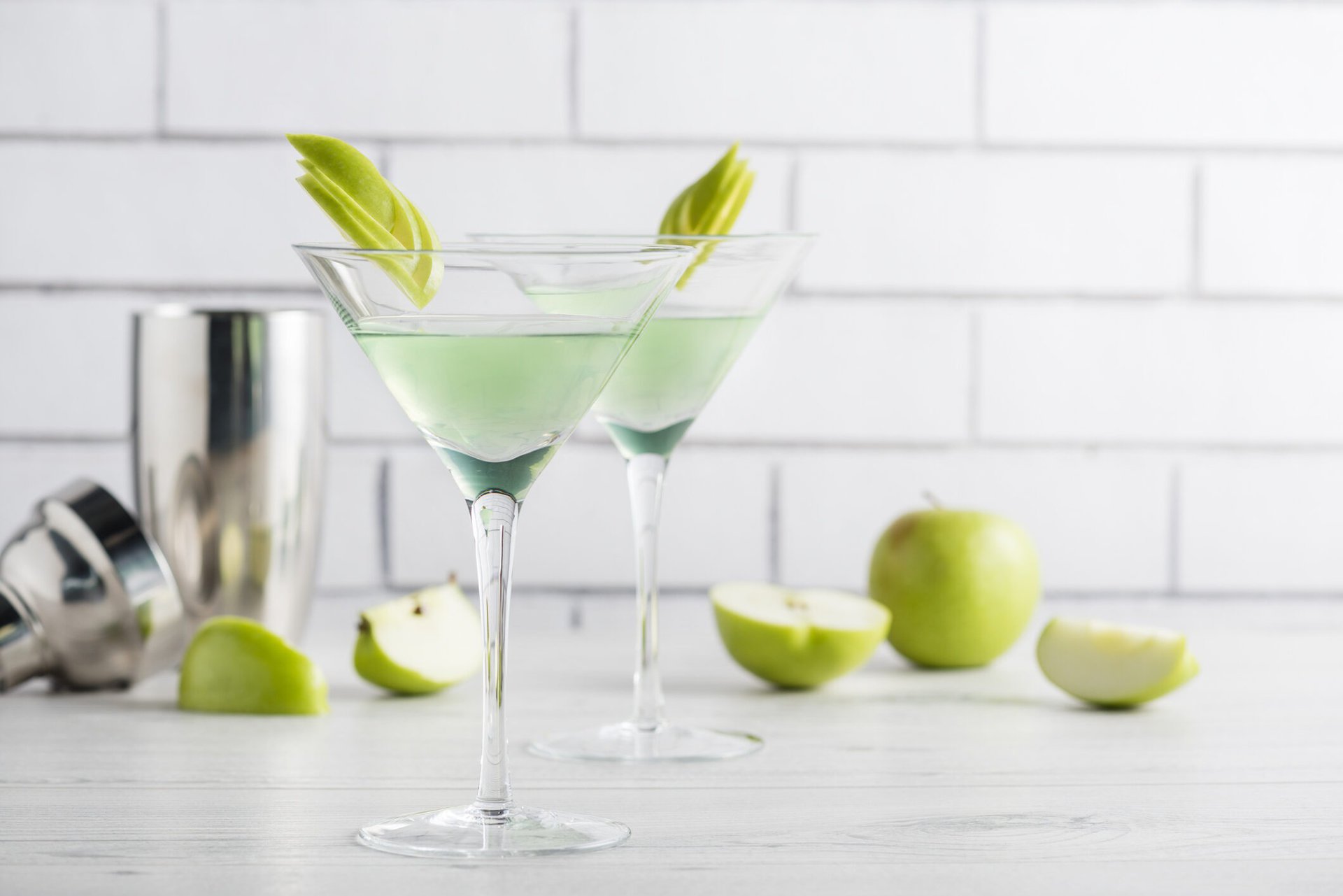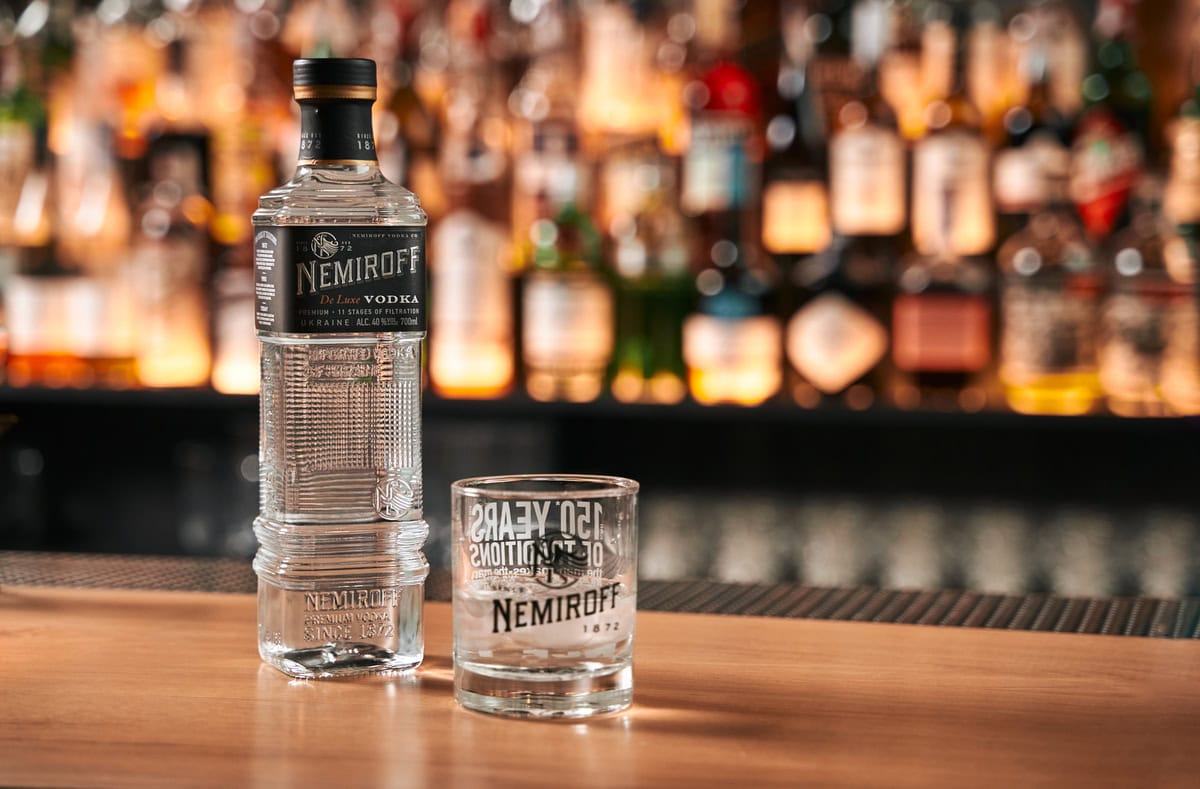
In Canada, vodka tasting culture combines tradition and modern approaches. The drink’s strength impresses locals, who appreciate its multifaceted character, encompassing aroma, texture and aftertaste. Through tasting people learn to understand the product better, evaluate different styles and they find new facets of a familiar drink.
For many Canadians, it is not just the opportunity to taste vodka that matters, but the process itself – from choosing a glass to discussing their impressions. This format helps to reveal the drink and makes the evening special. The spotlight often falls on premium brands such as Nemiroff. After all, it is these brands that demonstrate just how smooth and multifaceted a properly crafted vodka can be.
The tasting process is not only about taste, but also the atmosphere. People gather at home or attend events in bars and distilleries. All this is done to share experiences, compare drinks, and discuss new ideas for mixes. It is part of a culture of communication, where the drink becomes a reason for conversation and discovery.
The Best Way to Taste Vodka in Canada: Local Traditions and Modern Trends
Local drinking traditions in Canada have historically been influenced by immigrants from Europe. But today, they have been enriched by modern craft production trends. Here, vodka is often tasted not only in bars, but also at tastings, food festivals and small distilleries. This format makes vodka tasting in Canada more educational than just entertaining.
The best way to taste vodka in Canada is through a relaxed tasting session with several samples in small portions. Vodka is increasingly seen by connoisseurs as a subject worthy of serious study, comparable to whisky or wine.
The origin of vodka also plays an important role. Canadian and international brands are often compared at tastings. For example, Nemiroff Production stands out for its unique recipes and production techniques, with a strong emphasis on the selection of natural ingredients, the purity of the spirit and the filtration process.
Vodka Tasting Techniques: From Glass Selection to First Sip
To fully appreciate all the nuances of the drink, it is important to follow the correct vodka tasting techniques. Both small tulip-shaped glasses and Old Fashioned glasses are suitable for this purpose. These shapes concentrate the volatile substances at the rim, allowing the nose to detect the subtlest nuances of grain or additives.
The tasting process consists of three stages:
1. Assessing clarity. Look at the light; the liquid should be completely transparent and have “oily trails” on the sides of the glass.
2. Exploring the aroma. Do not take a deep breath immediately; bring the glass to your nose and inhale lightly.
3. First sip. Hold a small portion in your mouth for a few seconds. This allows your receptors to engage. Only then can you swallow the contents.
It is precisely this sequence that allows you to appreciate the smoothness and structure of the drink without burning the mucous membrane.
Vodka Tasting Temperature: Why it Matters for Flavor and Aroma
The right vodka tasting temperature is the key to a successful tasting. In Canada, people often make the mistake of serving vodka too cold, straight from the freezer. An ice-cold drink loses its flavor characteristics. This happens because the cold numbs the taste buds. For a professional evaluation, the best temperature range is between +8 and +12 degrees Celsius.
At different temperatures, the drink behaves completely differently:
– At -18°C (from the freezer) – any flaws are masked, but so is the taste. The liquid becomes thick, but the receptors simply cannot register anything.
– At +8…+12°C, the alcohol remains soft, and the essential oils begin to “work”. It is in this state that delicate notes of honey, herbs or grain unfold.
– Above +15°C, the vodka becomes excessively sharp, and the alcohol vapours begin to dominate the aroma, which hinders an objective assessment.
If you taste it when it is slightly chilled, you will feel the very balance that the distillers have worked to achieve. Finding the right cooling point allows the drink to glide over the tongue, leaving a pleasant warmth instead of a burning alcohol rush.
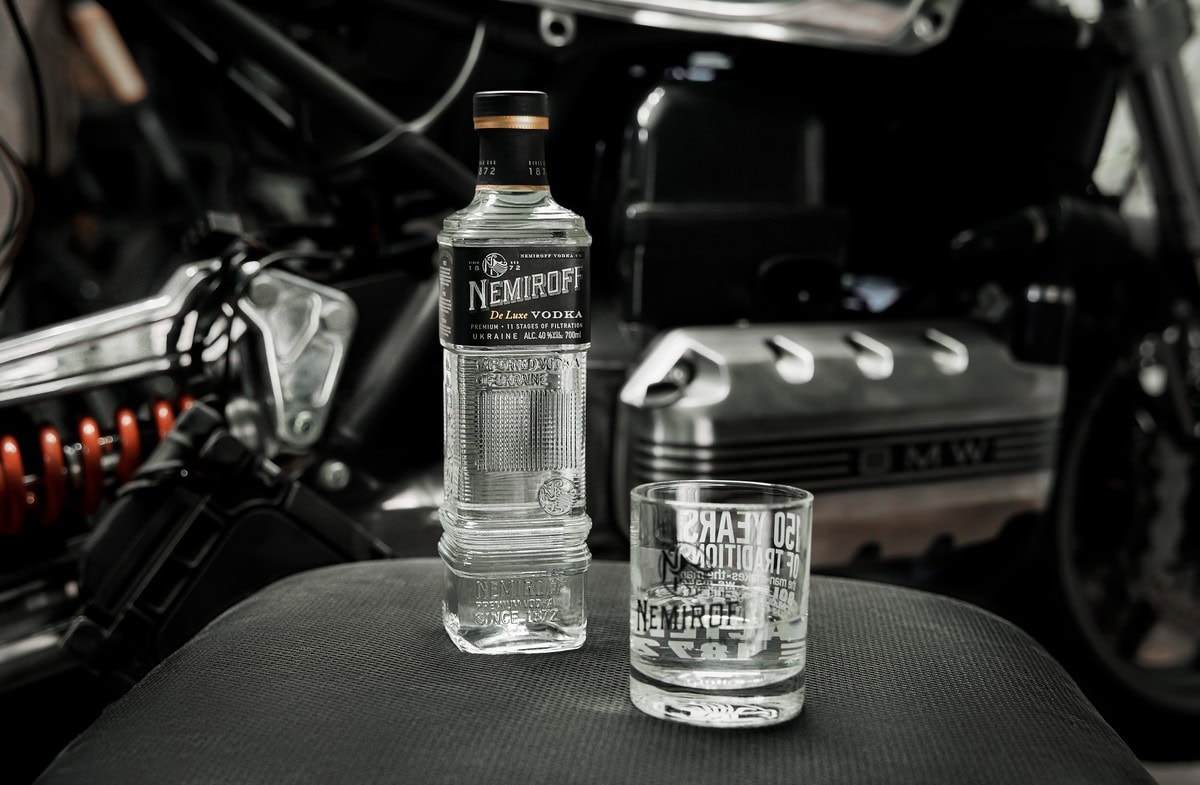
Understanding Vodka Flavors and Aroma Through Tasting Notes
During a tasting, participants often take notes. These vodka tasting notes help them to remember the differences between samples. They usually focus on several aspects:
– aroma;
– texture;
– flavor;
– aftertaste.
Some drinks have an almost neutral profile. Others may have subtle grainy, mineral or spicy notes. That is why it is important to analyse vodka flavors and aroma gradually. One small sip rarely reveals the full character of a drink. Notes help you compare impressions and form your own understanding of the taste.
Vodka Tasting Experience in Canada: What to Expect from tastings and distillery tours
Many cities host tasting events and distillery tours. This creates a comprehensive vodka tasting experience Canada. The programme usually includes an introduction to the history of the drink, an explanation of the production process, and a tasting of several samples.
A typical Canadian tasting set includes:
– Classic vodka without additives to assess the basic craftsmanship.
– Varieties with long ageing or unique filtration.
– Local and imported infusions.
This format allows guests to not only to taste the drink, but also to understand the brand’s philosophy. Canadian master blenders talk about the details of production – from the ingredients to the number of purification steps.
Expert Vodka Tasting Tips for Beginners and Enthusiasts
Those just starting out will find these tried-and-tested vodka tasting tips useful. The most important one is never to taste it on an empty stomach. But you shouldn’t have a heavy meal before you start either.
You should drink plain water without carbonation or eat plain white bread between different varieties. This will cleanse your taste buds, allowing them to detect new flavor nuances.
Here are a few more tips for a successful evening:
– Take your time – allow at least 10-15 minutes between samples.
– Compare – the best way to learn about vodka is through contrasts, trying different brands side by side.
– Use ice with caution – it dilutes the drink and alters its structure.
If you fancy a change after tasting neat vodka, you can always make cocktails. High-quality vodka is the perfect canvas for creativity. This vodka tasting guide Canada will help you organise the process so that every participant enjoys discovering new facets of this familiar drink.
Remember that vodka tasting in Canada is, above all, about exploration, discussion and respect for the product.