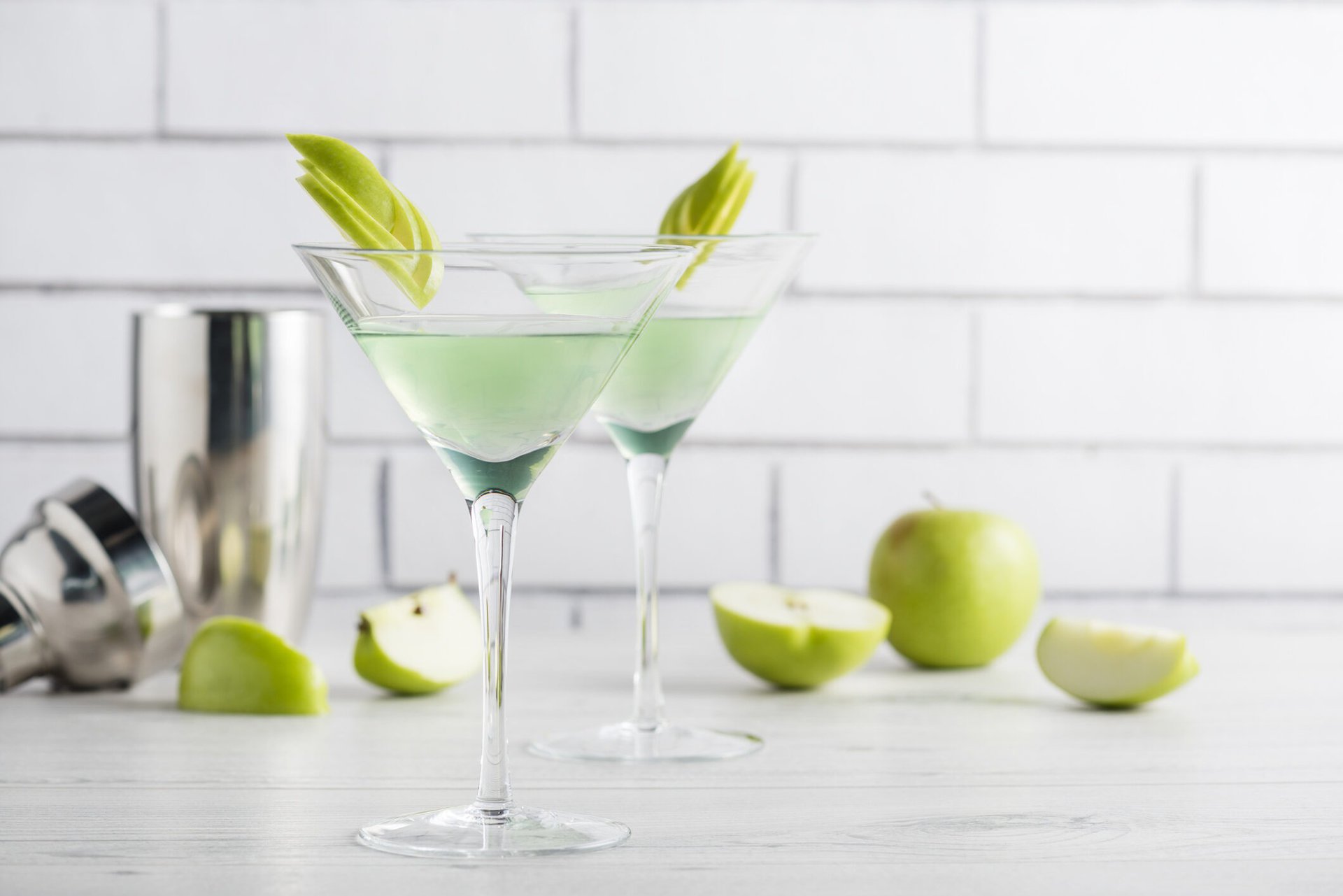
Most people believe that a strong alcohol drink will always cause a burning feeling in the throat. There is some truth in this statement. If alcohol causes a burning sensation in the mucous membrane, this indicates that incorrect methods were used during production or that unsuitable ingredients were employed. Premium drinks, such as those in the Nemiroff products range, give a pleasant warmth and do not make you want to wash them down with water immediately
When trying to understand – why does vodka burn, it is important to look beyond marketing slogans. The process of achieving smoothness requires the execution of multiple technological operations. The complete process requires every element to be considered because water composition and degree of purification during filtration both play vital roles in its success. This knowledge of technological processes will help you choose the products that best suit your needs.
What Do People Mean by “Burn” in Vodka
A burning sensation is a reaction of receptors to chemical irritation. Ethyl alcohol affects the heat sensors. This creates the illusion of high temperature. If vodka is poorly purified, the effect of fusel oils and other impurities is added to this. They make the swallowing process truly painful.
The question “why does alcohol burn my throat” is often linked to the presence of aldehydes and so-called “higher alcohols”. This is a group of complex chemical compounds. They are heavier in structure than ordinary ethanol. These compounds have a pungent odour and an oily texture that literally scratches the mucous membrane. In high-quality vodka, their content is minimal.
The Role of Alcohol Strength and Ethanol Quality
The strength of the drink is the most obvious factor. The standard 40% alcohol content is in itself a challenge for the taste buds. However, two bottles with the same alcohol percentage on the label can be perceived in completely different ways. The secret lies largely in the quality of the ethanol.
There are different grades of purification in alcohol production. The higher the grade (e.g. “Lux”) the fewer fermentation by-products remain in it. It is these micro-impurities that create that very sharpness. Pure, high-quality ethanol has a neutral smell and a mild effect. Whereas technically imperfect alcohol will irritate the tissues with every sip.
In addition, the molecular bond between alcohol and water is important. In premium drinks, the blend is aged for a certain amount of time. This allows the water molecules to completely surround the alcohol molecules. As a result, when you take a sip, your taste buds first come into contact with the soft water base, and only then do you feel the warmth of the alcohol.
Main Ingredients: Grain, Potatoes, and Beyond
The raw materials determine the character of the drink. Wheat vodka is considered the smoothest and purest. It has a light natural sweetness that softens the sharpness of the alcohol. Rye gives it a more distinctive, “bready” and rich flavour. Potatoes make the drink heavier and oilier. Not everyone likes this.
What makes vodka smooth? It all starts in the field. The quality of the grain and the conditions under which it is processed directly affect the final profile. If the raw materials are of poor quality, no amount of filtration will be able to entirely remove the specific sharpness. Blending masters are always seeking a balance so that the character of the grain is noticeable, but does not overwhelm the taste buds with excessive harshness.
Distillation Methods and Their Impact on Smoothness
Distillation is at the heart of the process. Modern rectification columns allow to achieve an incredible level of purity. Multiple distillations remove harmful fractions that contain the most aggressive impurities. These are often the cause of that burning sensation and heavy head the next morning.
However, endless distillation can make vodka bland, depriving it of its structure. That is why reputable producers find a “balance” between the two extremes. Distillation technologies allow the natural spirit of wheat to be preserved. At the same time, they completely eliminate acrid alcohol vapours. The result is a pure product that is easy to drink even without a hearty snack.
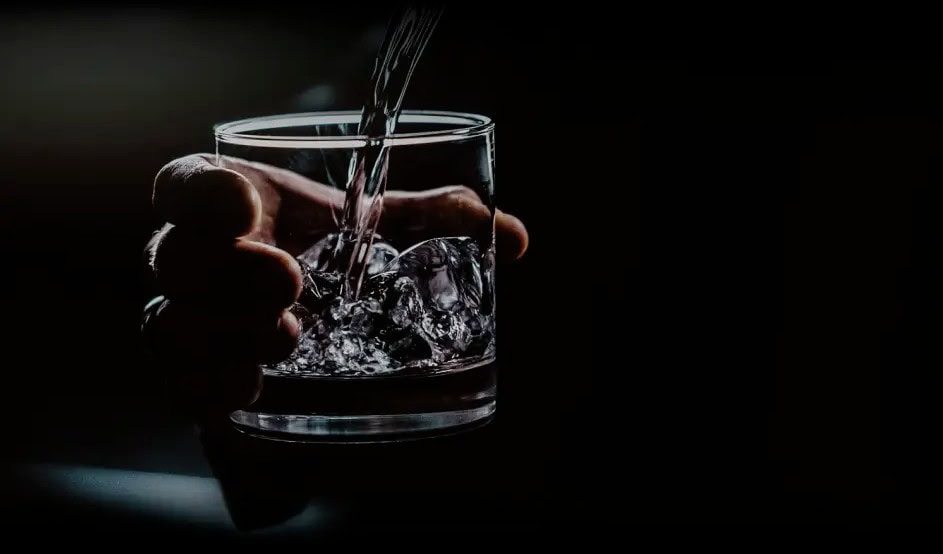
Filtration, Water Quality, and Final Blending
Water makes up about 60% of the bottle’s volume. Even after purification, ordinary tap water can make the drink taste harsh. The ideal option is water from deep wells that has undergone delicate preparation.
Filtration also plays a huge role in creating a smooth profile. To achieve purity, the following are used:
– Activated carbon to absorb harmful impurities.
– Quartz sand for fine mechanical purification.
– Precious metals, such as silver, add shine and smoothness.
Professional technologists know how to make vodka smoother. It is a complex process that can only be carried out in factory conditions. There, it is done using multi-stage pressurised purification systems. They transform the alcohol mixture into a premium drink.
Serving Temperature and its Effect on Perceived Burn
Serving temperature is the most powerful tool in the consumer’s hands. It directly affects the volatility of alcohol. The warmer the liquid, the more actively ethanol vapours are released, irritating the mucous membrane even before you take a sip. In hot Australia, this factor becomes critical, as room temperature here is often exceeds standard values.
Cooling to plus 5-8 degrees Celsius alters drink’s physical properties. The liquid becomes more viscous. It spreads more slowly across the tongue, allowing the receptors to adapt to the strength. This significantly reduces the burning sensation. However, do not overdo it.
For perfect serving:
– chill the bottle in the fridge for at least 4 hours before serving;
– place the glasses in the freezer for 10-15 minutes;
– if the vodka seems too strong, add a drop of clean water or ice.
Cold helps to mask the aggressiveness of alcohol. A slight drop in temperature is enough to turn an ordinary shot into a refreshing and smooth drink.
How to Choose a Vodka that Tastes Smooth
When searching for the smoothest vodka in Australia, it is worth paying attention not to the attractiveness of the label, but to the transparency of the technological processes. High quality is always backed up by the brand’s history and its willingness to openly discuss purification methods and the origin of raw materials.
Keep a few simple tips in mind:
– Check the information on the number of filtration stages.
– Look for mentions of the use of natural ingredients.
– Pay attention to the composition of the water – it should be natural.
Whether you are choosing a high-quality base for your cocktails or looking for a drink to enjoy neat, take the time to learn about the product. This will not only improve the taste of your mix, but also ensure your well-being. Smooth vodka is the result of the honest work of technologists and respect for the consumer.