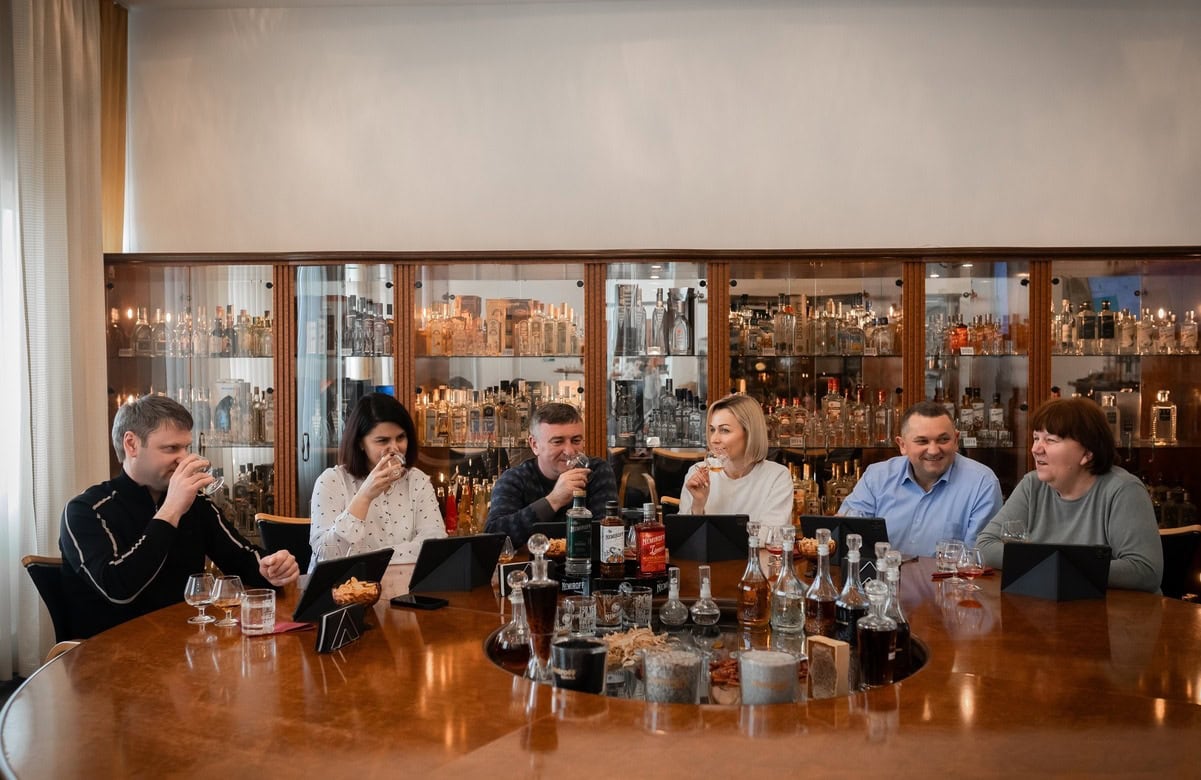
A home tasting event can transform a regular evening into an exciting experience that takes guests on a journey through a world of diverse flavours and aromas. Most people will discover for themselves that high-quality vodka has a complex flavour profile that defies common stereotypes. The final product is the result of using specific ingredients combined with special filtration methods and a tried-and-tested recipe.
When you want to sample premium spirits from Nemiroff products, every aspect must be carefully planned — from selecting the appropriate glassware to determining the ideal serving temperature. The process requires both alcohol of exceptional quality and the creation of a special atmosphere for the tasting. Tasting invites participants to discover new sensory experiences whilst enjoying the drinks. The host must create an environment that allows guests to experience a variety of flavour nuances throughout the tasting process.
Defining the Focus and Theme of Your Vodka Tasting
Before sending out invitations, decide on the concept of the event. You can focus on the geography of production or compare different product lines. A good option for a vodka tasting party ideas is a vertical tasting of a single brand. In this case, guests will try everything from traditional wheat-based vodka to complex infusions with herbs and spices.
The theme helps to structure the evening. For example, arrange a comparison of classic and new flavours. This will allow participants to understand how the addition of natural honey or chilli pepper changes the perception of strength and smoothness. A clearly defined theme sets the tone for the entire event and simplifies the preparation of the gastronomic accompaniment.
Choosing vodka: Styles, Origins, and Price Ranges
For a comprehensive comparison, you will need 4-5 different samples. It is best to start with light, highly purified options, such as Nemiroff De Luxe. Then gradually move on to denser and more aromatic options. The Inked Collection Bold Orange or Burning Pear are good examples. When including this stage in your vodka tasting guide, be sure to pay attention to the variety of lines.
A good tasting set may include:
– Classic grain vodka with a neutral profile.
– Products with unique filtration (e.g., through birch charcoal).
– Drinks with natural additives such as orange, cranberry or pear.
– Strong infusions with a distinct herbal and spicy character.
Such variety will allow guests to experience the difference in texture and aftertaste. It is not necessary to buy only the most expensive bottles. It is more important to build a collection that clearly shows the evolution of taste.
Preparing the Space: Glassware, Lighting, and Atmosphere
Don’t forget that the atmosphere directly affects the perception of taste. The room should be well ventilated – extraneous smells of food or perfume can overwhelm the subtle aromas of alcohol. It is better to choose soft lighting, but sufficient for guests to appreciate the transparency and “legs” of the drink on the sides of the glass.
The choice of glassware is key. The best choice for tasting is tulip-shaped stemmed glasses because they help aromatic notes to gather at the rim of the glass. Classic thin-glass tumblers serve as an alternative option when these specific glasses are unavailable. The main thing is to avoid plastic, as it can distort the taste. Notepads and pens should be prepared for distribution to all attendees so they can write down their thoughts which they will use to evaluate their first impressions later in the event.
Proper Serving Temperature and Pouring Techniques
The first thing you need to know about how to host a vodka tasting is the serving temperature. Do not freeze all the bottles in ice. For tasting, it is best to keep the drinks at a temperature between +8 and +12 degrees. At these temperatures, the alcohol does not burn the taste buds, and the essential oils begin to work actively.
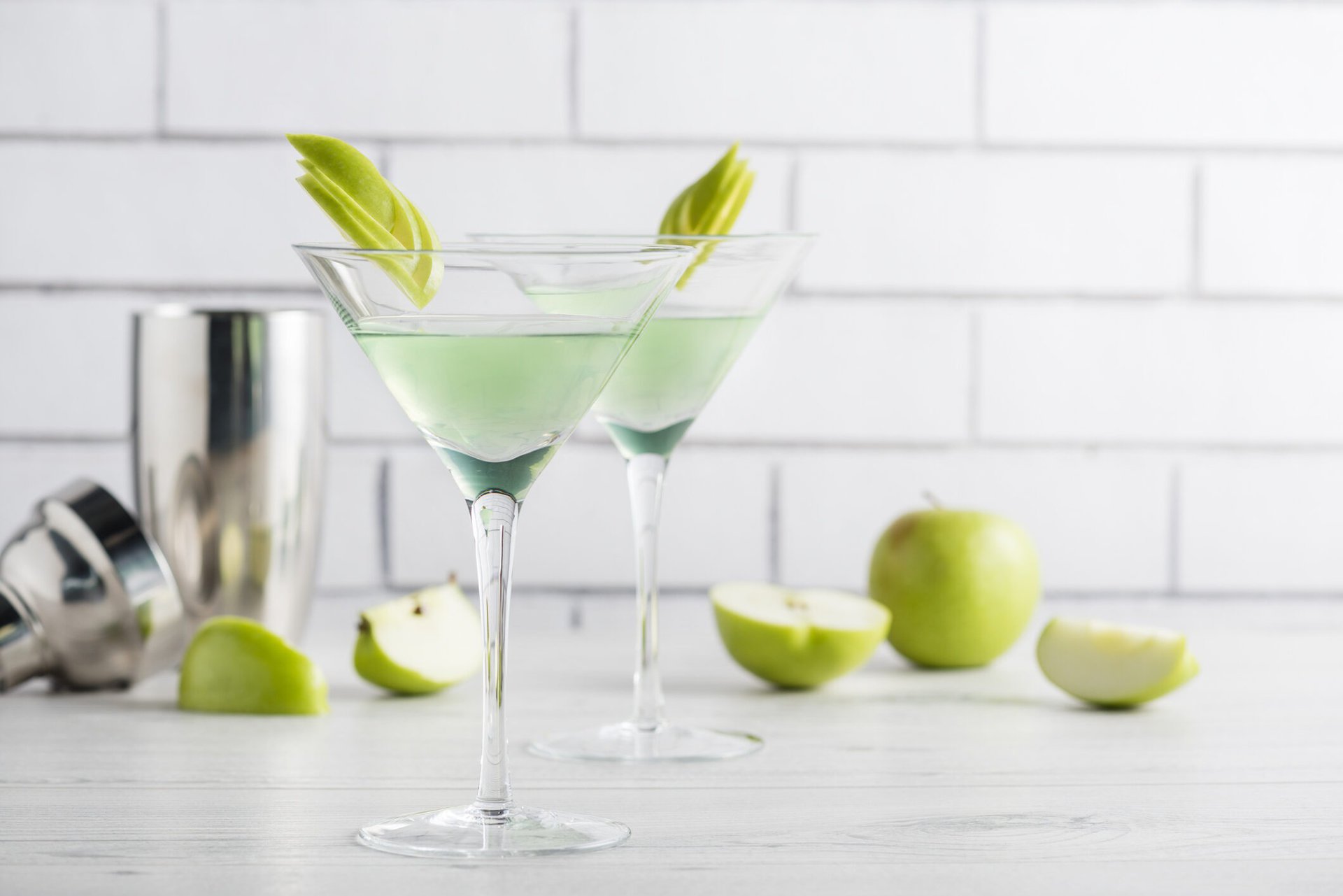
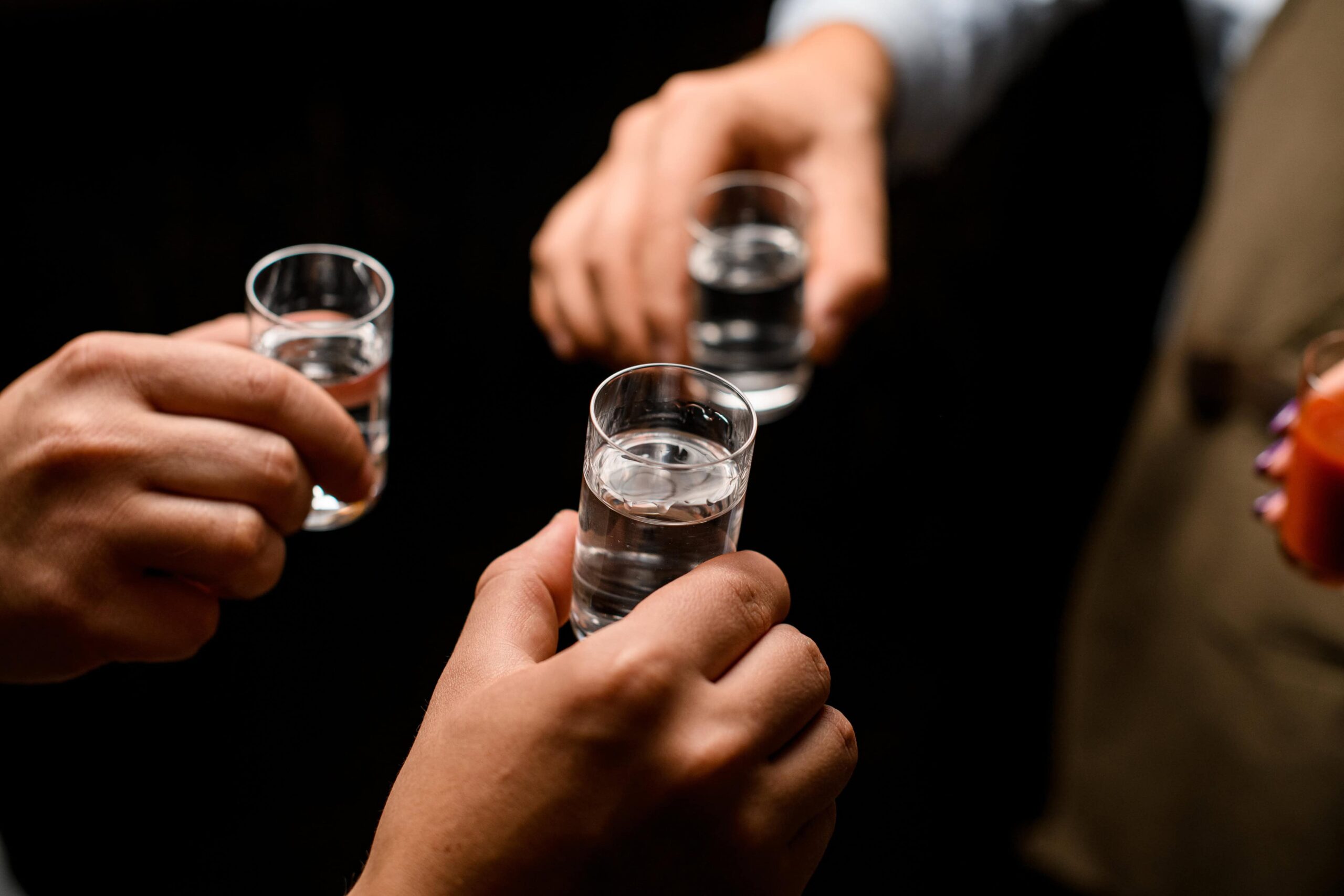
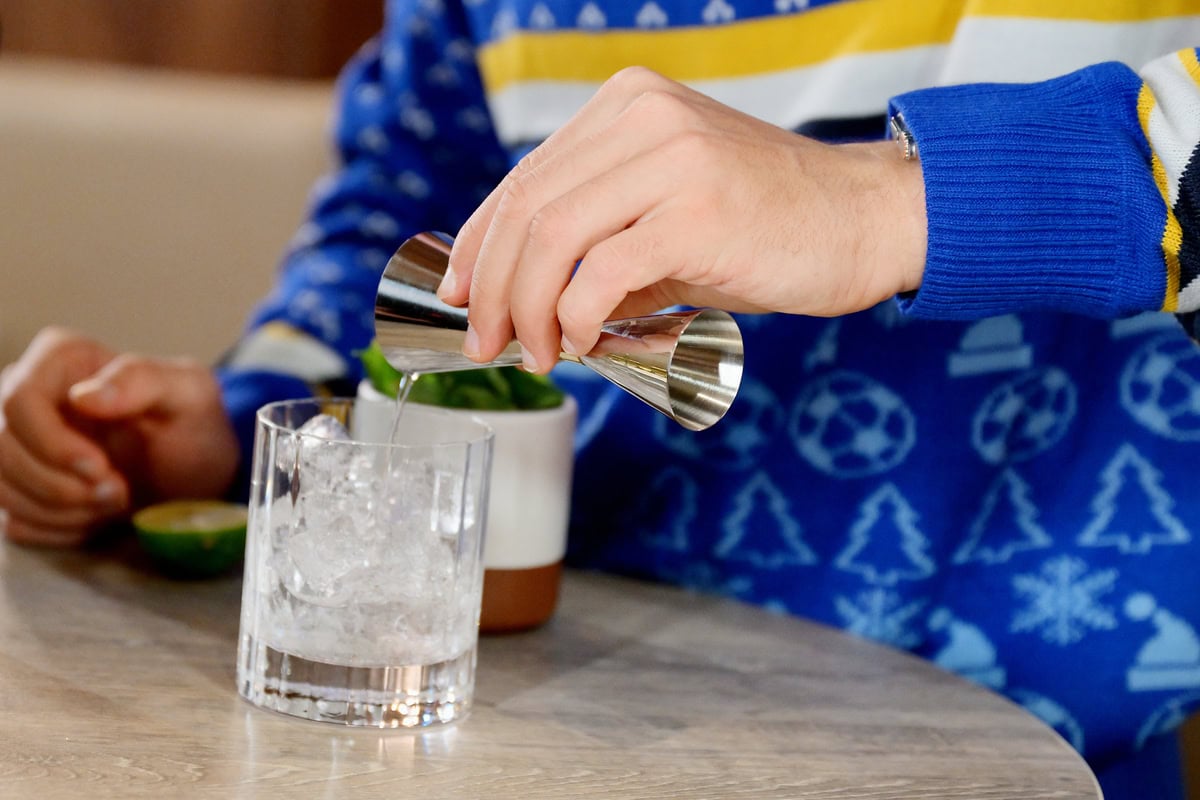
Pour the drink in small portions – 15-20 ml at a time. Two small sips are enough to evaluate the aroma. It is important to follow the order: from the purest and lightest to the most saturated and flavoured. If you also plan to serve cocktails, save them for the end of the evening, when the official part of the tasting is over.
How to Taste Vodka: Aroma, Texture, and Aftertaste
The tasting takes place in four stages:
1. First, evaluate the visual component: clarity, shine and oiliness.
2. Then move on to the aroma. Bring the glass to your nose and take inhale gently. Look for notes of grain, freshly cut grass or the light sweetness of honey.
3. The third stage is the sip. Roll the liquid around your tongue to engage all receptor groups. Pay attention to the texture: high-quality vodka should be smooth and velvety, not watery.
4. The final chord is the aftertaste. A good product leaves a pleasant warmth in the throat without excessive bitterness.
The ability to distinguish these stages is a sign of a true connoisseur.
Pairing Vodka with Food and Palate Cleansers
Vodka is a drink that requires the right snack. However, food should not overpower the tasting experience. To cleanse your taste buds between different samples, use neutral still water or pieces of white bread. This will help avoid mixing flavours and maintain objectivity in your assessment.
For the main part of the snacks, dishes that highlight the character of grain alcohol are suitable. You can offer your guests:
– Salted and pickled vegetables, which neutralise the strength.
– Thin slices of bacon or dried meat.
– Seafood and lightly salted fish.
– For honey and pepper infusions – light desserts or hard cheeses.
Such combinations not only saturate, but also help the drink reveal a new side. At the same time, it is best to avoid overly spicy and pungent dishes at the very beginning. They can temporarily dull the sensitivity of the taste buds.
Engaging Guests: Tasting Notes, Comparisons, and Discussion
The final stage of the tasting event is discussion. Ask guests to share their impressions. Often, one person will detect notes of rye bread, while another might notice a light floral aroma. Comparing notes makes the evening interactive and informative. You can also discuss the history of the brand and the production process.
At the end, you can arrange a “blind” test to see if participants can identify the evening’s favourites without labels. Emotional engagement with the interactive activity peaks during its most intense moments. People who consume alcohol should understand that drinking culture revolves around two fundamental principles: true moderation and the enjoyment of fine drinks rather than the consumption of large quantities. A properly organised tasting offers two benefits: it leaves a positive aftertaste and gives participants an insight into the world of alcoholic beverages.