Vodka is traditionally perceived as a drink with a consistent taste. However, experienced tasters and technologists know that even in this category there are nuances. This article answers the questions of how the taste of vodka changes over time, what factors influence its properties, and whether it is possible to buy Nemiroff vodka and store it for years. You will learn about the differences between freshly made and aged vodka, what the right storage conditions are, and what exactly influences the taste after more than a year of production.
How the taste of vodka changes over time: key factors
It is believed that vodka does not have an aging period like wine or whiskey. However, it is worth considering a number of factors that are still important:
– The quality of raw materials (grain, water). Yield and growing conditions affect the chemical composition of alcohol. Water with different mineral balances also shapes flavor nuances.
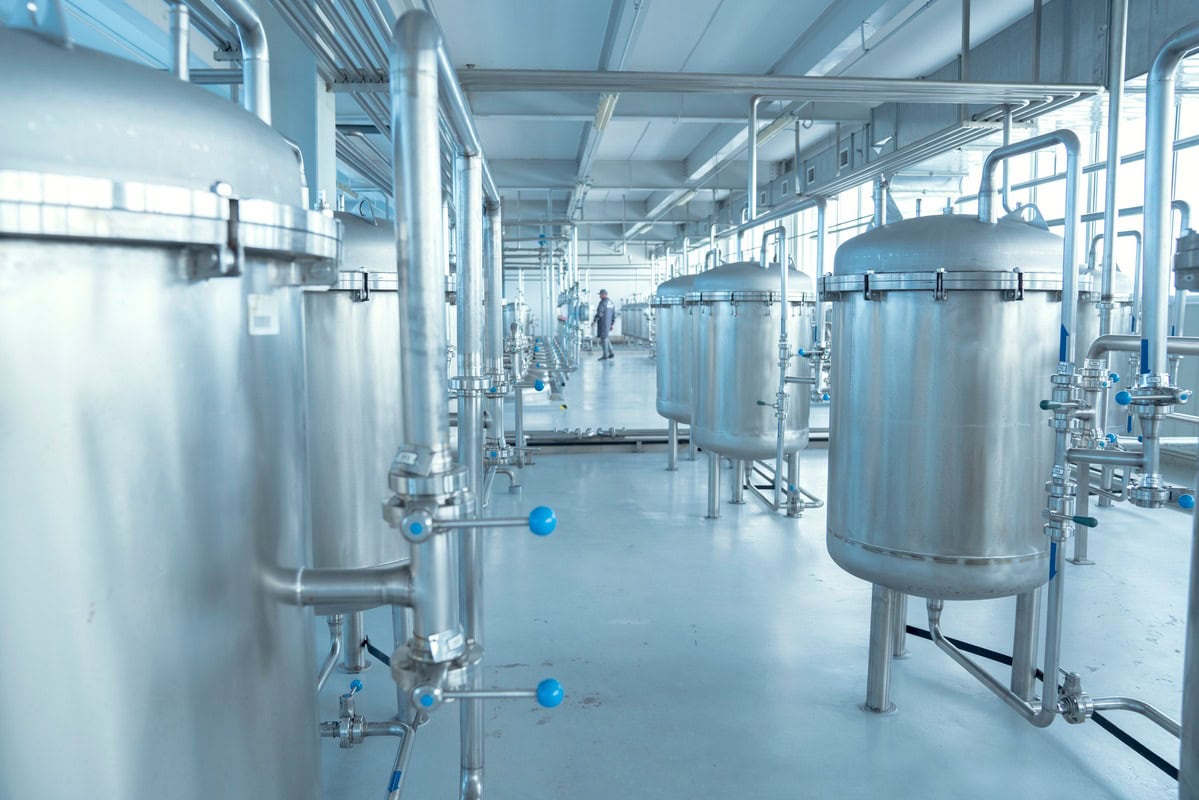
– Purification and filtration technologies. Over the years, manufacturers have been improving filtration methods. For example, the Nemiroff company uses up to 13 stages of filtration, including silver and platinum.
– Stabilization of components. After production, vodka undergoes a “resting” period, during which the taste becomes more harmonious. A fresh product may be sharper than an aged one.
– Oxidation. Prolonged contact with air in an open bottle causes the alcohol to oxidize. It can change the aroma and make the taste less vivid.
– Evaporation. If the bottle has already been uncorked or there are manufacturing defects, some of the alcohol may evaporate. It changes the balance of the drink, making it weaker and less rich.
– Interaction with the container. The best option is a glass container. Such bottles with high-quality corks provide the best protection. Plastic can release chemicals over time.
– Additional ingredients (honey, spices, fruit extracts). In the case of liqueurs, such as Nemiroff Honey Pepper, changes in taste are more noticeable over time.
Thus, the taste of vodka depending on the year of production may vary. But this is also influenced by a complex of other factors. It should be noted that premium vodka has a minimal susceptibility to variable processes.
Does the year of production affect the taste of vodka?
Unlike wines, where the harvest year is critical, the impact of the year of production on the taste of vodka is not as noticeable. This is because vodka is made from raw materials that undergo numerous stages of purification. For example, the Nemiroff technologies ensure consistent quality. Up to 13 stages of filtration guarantee the same standards.
However, technologies are evolving. Therefore, the question of how the year of production affects vodka is quite interesting. After all, 10-year-old vodka may have a different profile due to process improvements.
Freshly made vodka: taste characteristics
Freshly made vodka has a more pungent character. It demonstrates the purity of alcohol, but may have a slight “immaturity” in taste. It is because the components have not yet undergone the stabilization process.
By the way, a bottle aged 6-12 months is considered fresh if stored properly. The components have not undergone oxidation.
Aged vodka: how its character changes over the years
How does the taste of vodka change over time? When stored correctly, the drink becomes more rounded and mellow, and its sharpness disappears. Aged vodka can acquire delicate notes, especially if it has been stored under special conditions.
The taste of vodka depending on storage conditions
Storage conditions have a direct impact on how vodka tastes, even several years after production. Although this drink is considered stable, the wrong environment can alter its aroma and texture. Key factors:
– Temperature is optimal for storage between +5 and +20 °C. If it is too high, vodka may lose some of its purity of taste.
– Light — sunlight destroys alcohol molecules and aromatic compounds. A bottle left in the light may acquire an undesirable taste.
– Humidity and airtightness — if the cork or cap is not tightly closed, the alcohol will evaporate. It changes the balance of strength and taste. High humidity can damage the label, but more importantly, it can affect the airtightness of the container.
The taste of vodka can remain stable for years if you follow the rules: store it in a dark place, at a cool temperature, in an airtight container. But even small deviations — light, heat, or contact with air — can change the character of the drink.
Is it possible to store vodka for years? Myths and reality
Is it possible to store vodka for years? Yes, but it is important to understand that vodka does not age like wine. It does not improve with time, but it does not spoil if stored in the right conditions. The myth of “long-term aging” of vodka is often exaggerated. But the Nemiroff approach to a 6-month “rest” period for the drink is somewhat different. It is necessary to balance the ingredients. In general, vodka remains stable for years, but it can lose some of its aroma when exposed to air for long periods of time.
What else affects the taste of vodka besides the year of production?
In addition to the year of production, the taste is significantly influenced by the quality of the alcohol and the grain from which it is made. Filtration equipment and technologies can reduce the alcohol aroma. The use of additional ingredients, such as honey, spices, and fruit extracts, adds completely different notes to the composition. It is also important what food the drink is consumed with.
Taking Nemiroff as an example, the manufacturer offers original cocktail recipes and develops its own recipes for tinctures. This demonstrates that even the same base can unfold differently depending on the context.