Alcohol in folklore is almost never reduced to mere taste. In fairy tales and legends, it is mentioned rather as a test of moderation, a marker of hospitality, or something that drastically changes the course of events. That is why this topic is not about “drinking,” but about how society explains character, temptations, and boundaries through everyday stories.
In this article, we will look at where vodka came from as an image in traditions, why it was associated with truth and openness, and why people still talk about treatment with this product. We will also analyze ritual plots, images in artistic texts, and how these meanings are interpreted today.
The origins of vodka in folklore
In folk explanations, the name comes from the first sip. It burns in the throat, as if it were on fire, and so a simple logic is formed. If it burns, then it must be vodka. Stories about firewater for the winter or strong infusions that last longer and are better preserved easily stick to this.
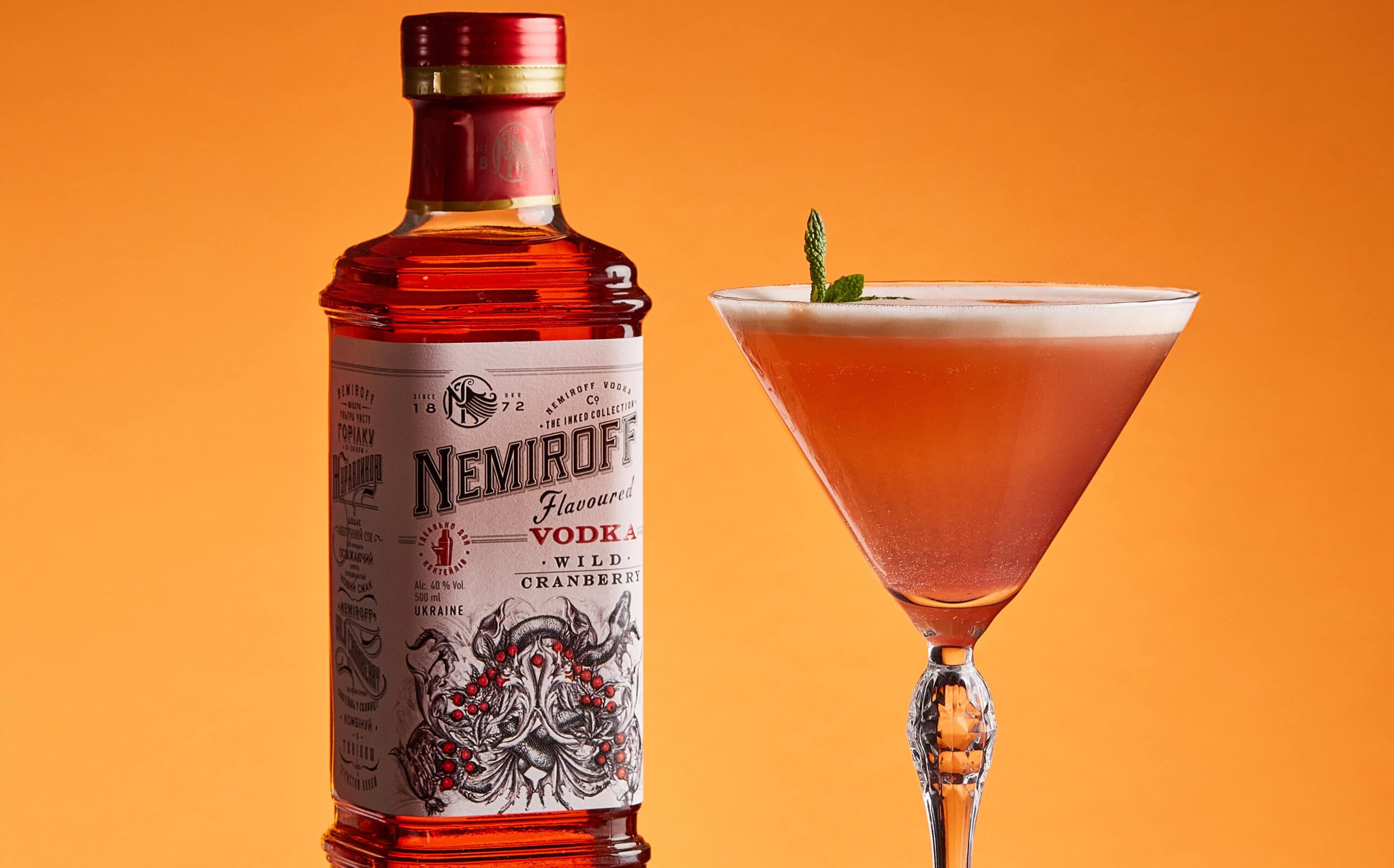
Folk versions are easy to remember, so they quickly spread as truth. If you want to distinguish legend from reality, it is useful to look at how Nemiroff production is described today.
Vodka as a symbol of truth and openness
Many families have observed that people become more honest after they drink alcohol. The symbolism of vodka as a drink has become which people use to explain their ability to speak freely and without restraint. Folklore frequently uses this element as a narrative twist. The story reaches its climax when someone finally reveals the truth while another person speaks excessively then feels regret about it.
The same pattern exists in actual human behavior. People stay quiet when they are sober but they start to reveal their hidden thoughts after they drink alcohol. The effect serves as a folklore element which people use to explain its existence. Alcohol changes behavior, and with it, relationships can also change. Therefore, this image in legends is more about risk than romance.
Myths about the therapeutic properties of vodka
Vodka has also earned its place of honor in medicine. A separate layer is the myths about vodka that have been around for decades:
– from a cold — pepper vodka;
– for the throat — a little with honey;
– rub your back — and it will go away.
Some of these tips originated in times when there were no pharmacies nearby, and people were looking for any means that would have a noticeable effect.
The problem is that feeling warm or better does not equal treatment. Alcohol can dull symptoms and create the illusion that things are better, but it does not eliminate the cause. In legends, vodka is presented as a magic key because it makes it easier to build a plot. However, in real life, this key often opens the door to excessive consumption.
Vodka in ceremonies and rituals
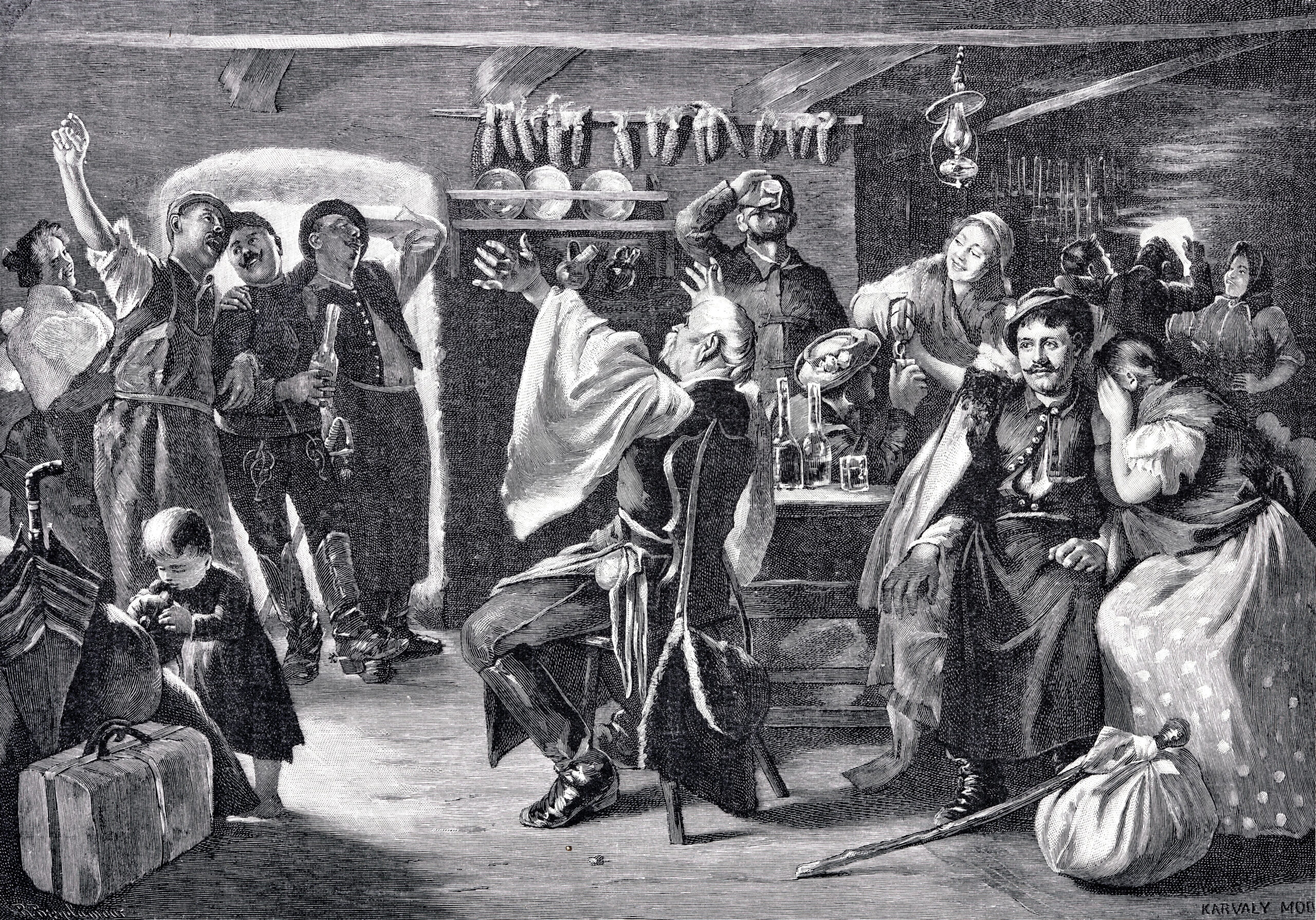
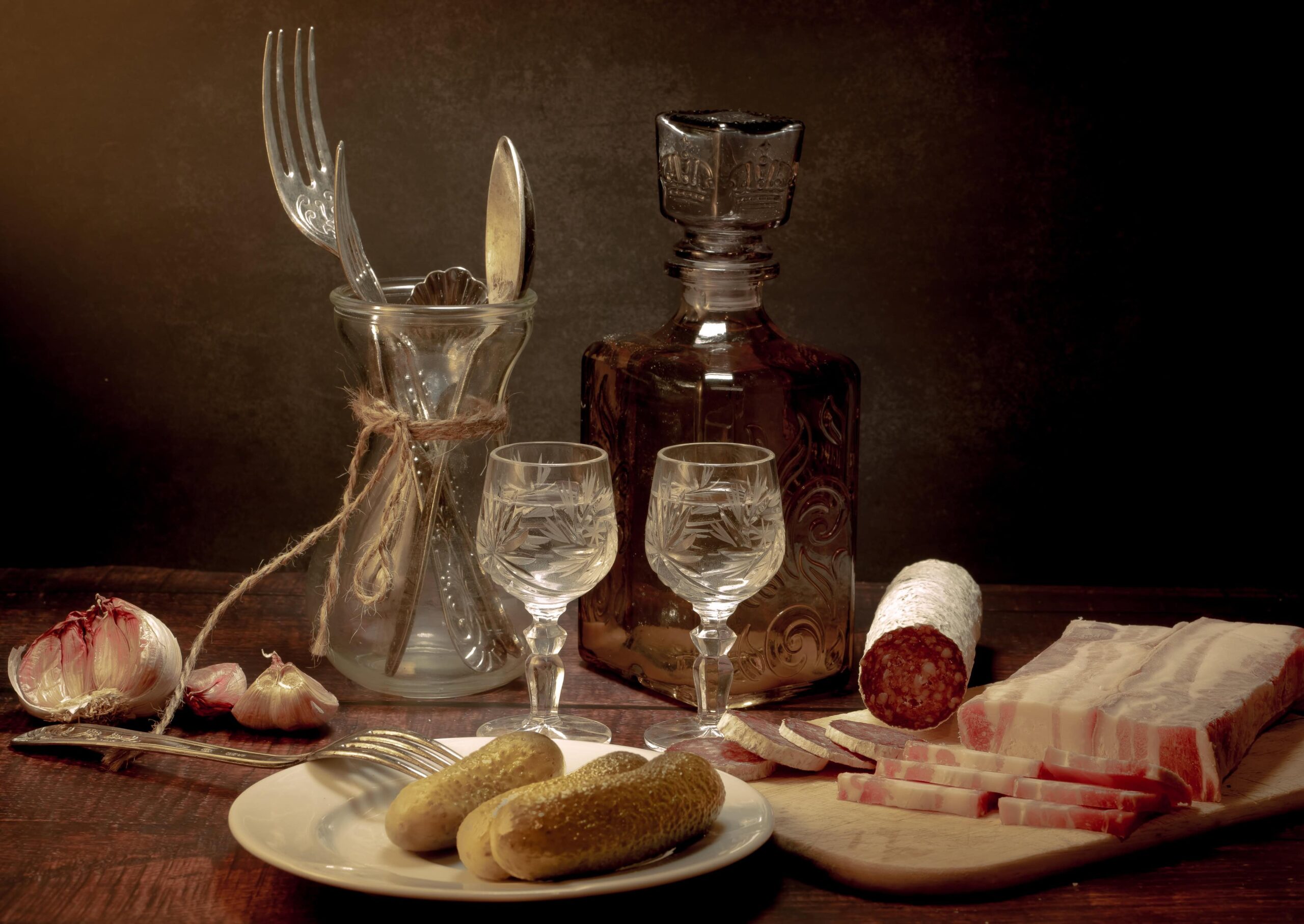
Vodka in folk culture is often found in rituals. People at weddings and christenings and memorial services need to follow specific traditions which include sharing food and making toasts and treating others with respect. The presence of vodka in this setting serves as an element which complements a performance where every action carries significance. In traditional rituals, it is often not the quantity that is important, but the form: who is poured first, how the toast is made, when to pause, how to remember people. The unwritten rules which exist in society function to maintain the existing structure. People who want to understand how a contemporary brand operates with cultural and traditional elements can explore the Nemiroff website.
Vodka in the legends of different nations
The vodka in legends connects to specific locations while showing how it affects people’s personality traits. Ukrainians enjoy hearing tales about traditional infusions and homemade recipes which their families have kept as confidential culinary traditions. Polish culture features a persistent theme of home-brewed remedies which families believe will heal all ailments but which actually serve as a cultural tradition.
Scandinavian countries and Finland associate vodka drinking with straightforwardness and moderate behavior. There, the perception of it is through coldness, minimalism, and a pure, unadorned taste. In Japan, vodka does not have the same traditional status as it does in our country. Therefore, in modern urban settings, it appears as a convenient base for cocktails, which does not dominate and allows other flavors to unfold.
Artistic images and fairy tales
Vodka in myths and literature is often used as a quick tool. It can show who is brave, who is stupid, who is cunning, and who has no brakes. One scene at the table is enough for the author to make it clear how the hero behaves under pressure from the company.
There is another motif in which vodka is presented as a reward for work or as a trap that leads one astray. In such plots, the test of moderation seems simple, but it works precisely. Those who stopped in time preserved their honor and plan, while those who did not stop got into trouble.
The symbolism of vodka in modern culture
Today, the mythology of vodka is present in advertising, movies, memes, and family stories, but the presentation has changed. There are fewer stories about “who drank how much” and more attention to choice, presentation, and responsibility. Therefore, the modern symbolism of vodka is often not about heroism, but about style, taste, and control.
This is also evident in everyday life. People talk more often about portions, about the fact that not everyone drinks, and that refusal is normal. They are even more interested in the assortment so that they can make an informed choice, for example, Nemiroff products.
Conclusion
Vodka exists as a folkloric symbol which reveals the boundary between drinking limits and drinking excessiveness. The beverage functions as a traditional symbol of hospitality and demonstrates ancient lineage in myths and serves as a fairy tale assessment and exists as a contemporary cultural element. The drink reveals human behavior patterns but its meaning remains constant throughout different contexts.
The stories do not promote drinking but their content shows that all magical objects function based on their users and their methods of usage.