Some people combine espresso with cognac to “improve” the taste, while others drink coffee liqueurs or lattes with rum or Irish whiskey added. But is it safe to combine coffee with alcohol? Should you drink coffee after alcohol to “sober up,” or is it better to avoid this combination? In this article, we will look at the origin and popularity of such drinks, their effect on the body, and provide recommendations for safe consumption. You will learn when coffee and alcohol can be a harmonious combination and when it becomes a risky mixture for your health.
The combination of coffee and alcohol: origin and popularity
The idea of mixing coffee with alcohol has ancient roots. As early as the 18th century, European aristocrats added cognac or rum to coffee to warm themselves up and enjoy the rich flavor. Over time, such drinks became popular among the general population, especially in countries with cold climates. Today, coffee with alcohol is not only the classic ‘Irish coffee’ (coffee with Irish whiskey), but also a variety of modern cocktails offered by baristas and bartenders around the world. The popularity of these drinks is explained by their warming effect, rich taste, and the opportunity to combine the comfort of a coffee shop with the relaxation of alcohol. However, before enjoying such a duo, it is worth understanding how alcohol affects coffee on a chemical and level.
Coffee with alcohol in the culture of beverage consumption
European traditions of combining coffee and alcohol
In Europe, the tradition of drinking coffee with alcohol dates back centuries. In France, ‘Café brûlot’ is popular — coffee with cognac, citrus fruits, and spices, often served during festive dinners. Italians love ‘Caffè corretto’ — espresso with grappa or sambuca. In Germany, they offer ‘Pharisäer’ — coffee with rum, whipped cream, and sugar. In addition to taste, these drinks often serve a social function: they are drunk during meetings with friends, family events, or as a conclusion to dinner. This tradition shows that coffee with alcohol can be part of the culture of consumption if used in moderation and with an understanding of its effects on the body.
Modern bar interpretations and trends
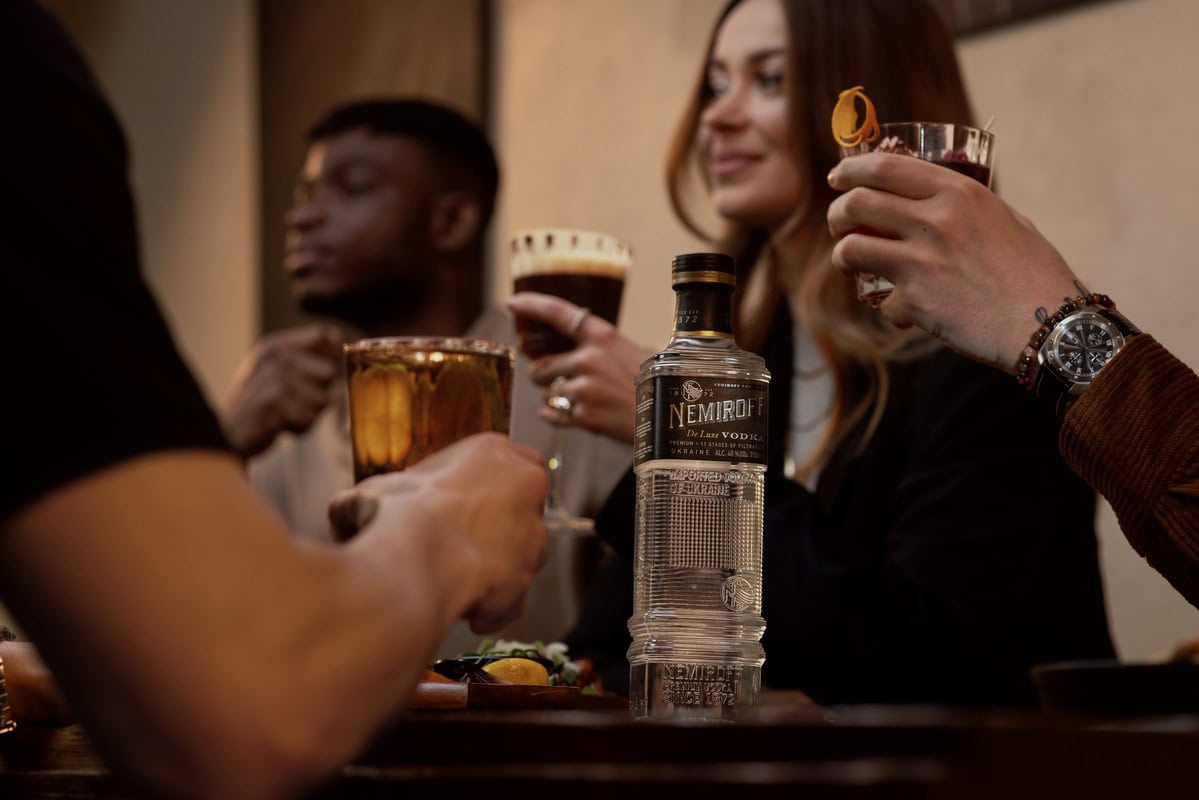
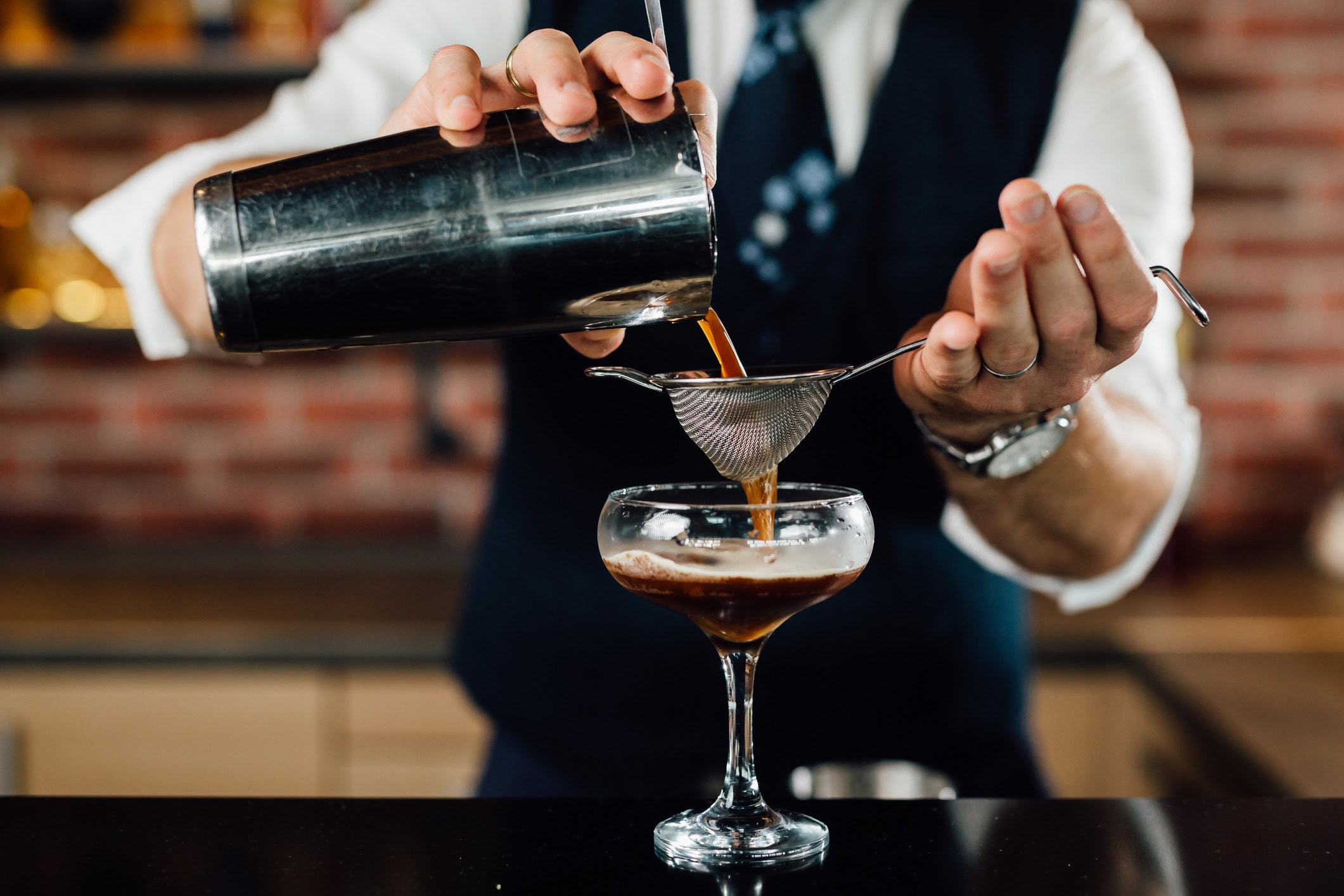
Modern bar culture offers new interpretations of classic recipes. Baristas experiment with different types of alcohol, from Nemiroff products, whisky and rum to nut- or fruit-based liqueurs. Cold coffee-based cocktails such as Espresso Martini or Coffee Tonic are popular. Such drinks are often served in trendy establishments where the emphasis is on aesthetics and a signature approach. However, it is important to remember that fashion trends do not negate the need for caution. Whether the combination of coffee and alcohol is safe depends not so much on the recipe as on the amount of alcohol consumed and the individual characteristics of the body.
Coffee and alcohol in cocktail culture
Coffee and alcohol-based cocktails have become a separate trend in the bar industry. They combine the bitter taste of coffee with the sweetness of liqueurs, the spiciness of rum, or the smoothness of whiskey. Among the most popular cocktails are:
– Irish coffee: coffee, Irish whiskey, sugar, and whipped cream.
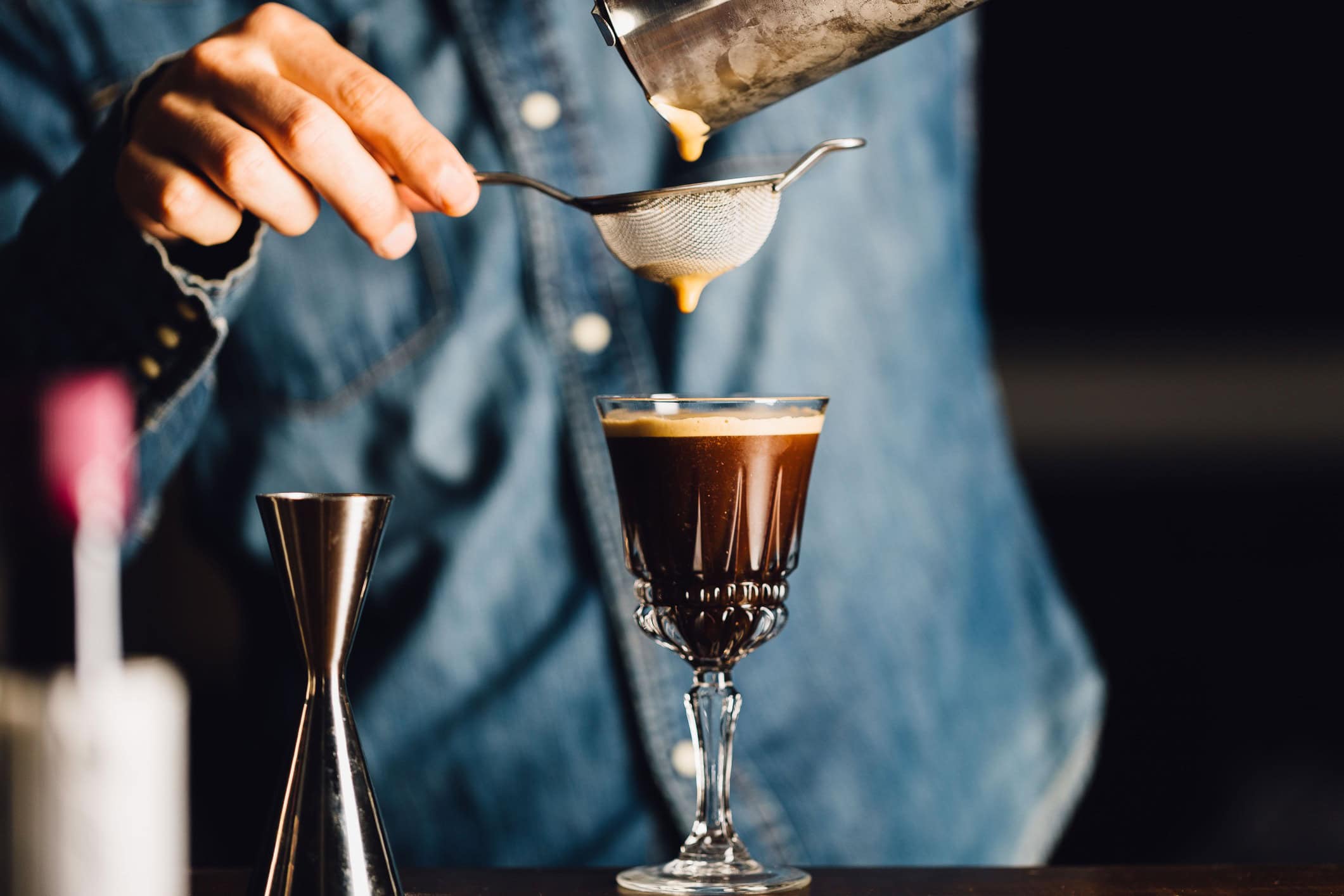
– Espresso martini: vodka, coffee liqueur, and espresso.
– Coffee with rum: black coffee, dark rum, sugar, and spices.
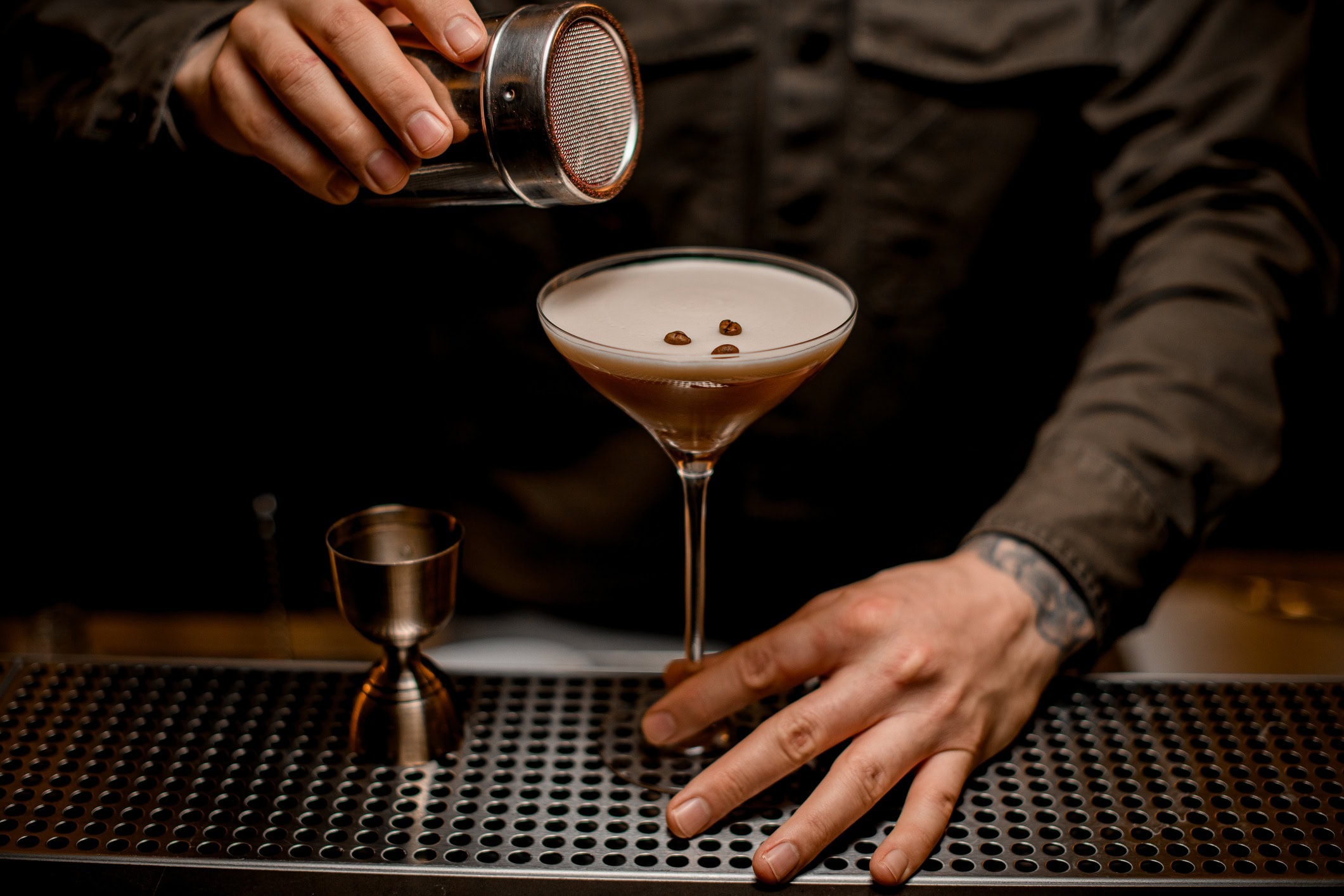
Such drinks are often prepared using high-quality ingredients, making them an exquisite dessert or the perfect end to a dinner. However, it is worth remembering that alcohol in cocktails can be “masked” by sweet flavors, so it is easy to exceed the safe limit. Is it possible to mix coffee with alcohol without harming your health? Yes, but only if consumed in moderation and with an understanding of your body’s limits.
When coffee and alcohol are a duet, and when they are a risk
The combination of coffee and alcohol can be either a pleasant duet or a risky mixture. To understand when to be careful, let’s look at the physiological effects of interaction between these substances:
1. Opposite effects on the nervous system: Alcohol is a depressant that slows down brain activity and causes drowsiness. Coffee, on the other hand, is a stimulant due to caffeine, which activates the nervous system. When you drink them together, your body receives conflicting signals. This can prevent a person from feeling the effects of alcohol, increasing the risk of overdrinking and making dangerous decisions.
2. Strain on the heart: Both drinks affect the cardiovascular system. Alcohol initially dilates the blood vessels and then can cause them to constrict. Coffee, due to caffeine, also has the property of constricting peripheral blood vessels and temporarily increasing blood pressure. This “struggle” can cause fluctuations in blood pressure, tachycardia, or arrhythmia. How coffee and alcohol affect the heart depends on the dose and the person’s health. For those with heart problems or a tendency to high blood pressure, this combination can be dangerous.
3. Dehydration: Both alcohol and coffee have a diuretic effect. Alcohol suppresses the production of the vasopressin hormone, which is responsible for fluid retention in the body. Coffee also has a diuretic effect, although less pronounced. Their combination can lead to rapid dehydration, which worsens well-being, causes headaches, and slows down the elimination of alcohol toxins.
4. Complications of sobering up: The common belief that coffee helps you sober up is a myth. It can mask the signs of intoxication (drowsiness, confusion) due to its stimulating effect, but it does not accelerate the breakdown of alcohol in the liver. So, can you drink coffee after alcohol to sober up? No, it is not effective and even risky, as a person may feel capable of, for example, getting behind the wheel, while their blood alcohol level is still high.
How is the combination of coffee and alcohol dangerous to health? It can lead to:
– Impaired coordination and attention.
– Increased stress on the liver, which is simultaneously metabolizing alcohol and other substances.
– Increased risk of addiction.
– Worsening symptoms of dehydration and hangover the next day.
– Triggering sleep problems and anxiety.
However, if you choose quality ingredients such as Nemiroff, exercise moderation (for example, one serving of a cocktail) and have no contraindications, coffee with alcohol can be an enjoyable experience. For example, one serving of Irish coffee during a holiday is unlikely to harm a healthy person. The main thing is not to make this combination a habit and to control the total amount of alcohol consumed.
In summary
Coffee with alcohol is a drink that can be both an exquisite dessert and a source of health risks. The harmfulness of coffee with alcohol depends on the context: the amount of the drink, the health of the consumer, and the situation in which it is consumed. For a healthy adult, moderate consumption of high-quality coffee-alcohol cocktails is unlikely to cause harm. This is especially true given the attention to detail in the Nemiroff production process, which involves multi-stage filtration. However, you should avoid such drinks if you have heart, liver, kidney, or nervous system problems.
The overall effect of coffee with alcohol on the body can be unpredictable due to its opposing effects on the nervous and cardiovascular systems, so it is important to listen to your body and not overindulge in this combination. If you want to enjoy the taste, choose quality ingredients, limit yourself to one serving, and drink plenty of water. Remember: the best gastronomic experiences are those that are not harmful to your health and are enjoyed consciously.