The 5 Biggest Vodka Myths
People pass on their beliefs about spirits from one generation to the next, leading to the accumulation of myths and stereotypes that people accept as true, even though they are unsubstantiated. This effect is clearly evident in Canada, where people now consume vodka differently, whilst showing greater interest in both craft distilleries and high-end vodka brands. But how can we tell where vodka – truth vs myth? After all, it is sometimes difficult to see the reality of the situation amidst the vast number of myths.
Some myths are harmless, whilst others directly influence how and what people choose in the shop and how they make cocktails at home. So it is time to debunk the vodka myths that prevent us from objectively assessing this noble drink. The truth is that the modern manufacturing of Nemiroff products and other market leaders is a high-tech process combined with tradition and culture.
Why Do Vodka Myths Still Exist?
Myths about vodka stem from cultural stereotypes and a lack of information. Furthermore, for a long time, vodka was marketed as a product of the utmost simplicity. This gave rise to a false impression that it lacks depth.
In the marketing of years gone by, the main focus was exclusively on the degree of purification, whilst the raw materials and distillation methods were ignored. This led to the emergence of numerous vodka misconceptions. Consumers stopped seeing the difference between brands and production methods. Many people even believe that any clear liquid with an alcohol content of 40% is essentially the same.
Myth №1: “All Vodka Tastes the Same”
One of the most persistent and common vodka myths is that it has no taste. This vodka myth is debunked from a scientific point of view. The taste and aroma of alcohol are determined by two main factors:
– raw materials – wheat, rye, potatoes or maize;
– the chemical composition of the water.
Wheat imparts a soft, slightly sweet note. Rye, on the other hand, adds a distinctive spiciness and a slight tartness. If the distillate is made from maize, the drink takes on a pronounced oiliness and subtle creamy undertones. These give it a denser texture.

Research is also being conducted in the field of sensory analysis. This shows that micro-components (esters and higher alcohols) remaining after distillation form the drink’s unique profile. If all vodkas were the same, blind tastings would not reveal consistent favourites. Professional sommeliers and ordinary consumers notice differences in texture – ranging from oily to dry. It is also an important marker used to identify the brand.
Myth №2: “Vodka Is Always Odourless and Flavourless”
This myth is often reinforced by legislative definitions from years gone by. Back then, vodka was described as a drink “without a distinct smell or taste”. However, myths often overlook the evolution of production. A high-quality drink has a subtle aroma: ranging from light grainy notes to the faintest hints of fresh bread.
Modern purification technologies allow the flavour and aroma characteristics of the raw materials to be fully preserved, removing only the strong fusel oils. The reason you feel a gentle warmth when tasting high-quality samples is that you were expecting to feel an intense, burning discomfort.

Myth №3: “Better Vodka Means Higher Price”
When examining vodka facts vs myths, it is important to address the issue of pricing. The high cost is often due to:
– marketing budgets;
– bottle designs by renowned designers;
– logistics costs.
Of course, high-quality purification and carefully selected grains cannot come cheap. However, there is a “quality threshold” above which the price no longer rises in proportion to the taste characteristics.
It is important to consider the production technology. For example, the use of natural mineral water and filtration through natural materials (activated carbon, silver, platinum) yield excellent results.
Myth №4: “Vodka Quality Doesn’t Matter for Taste of Cocktails”
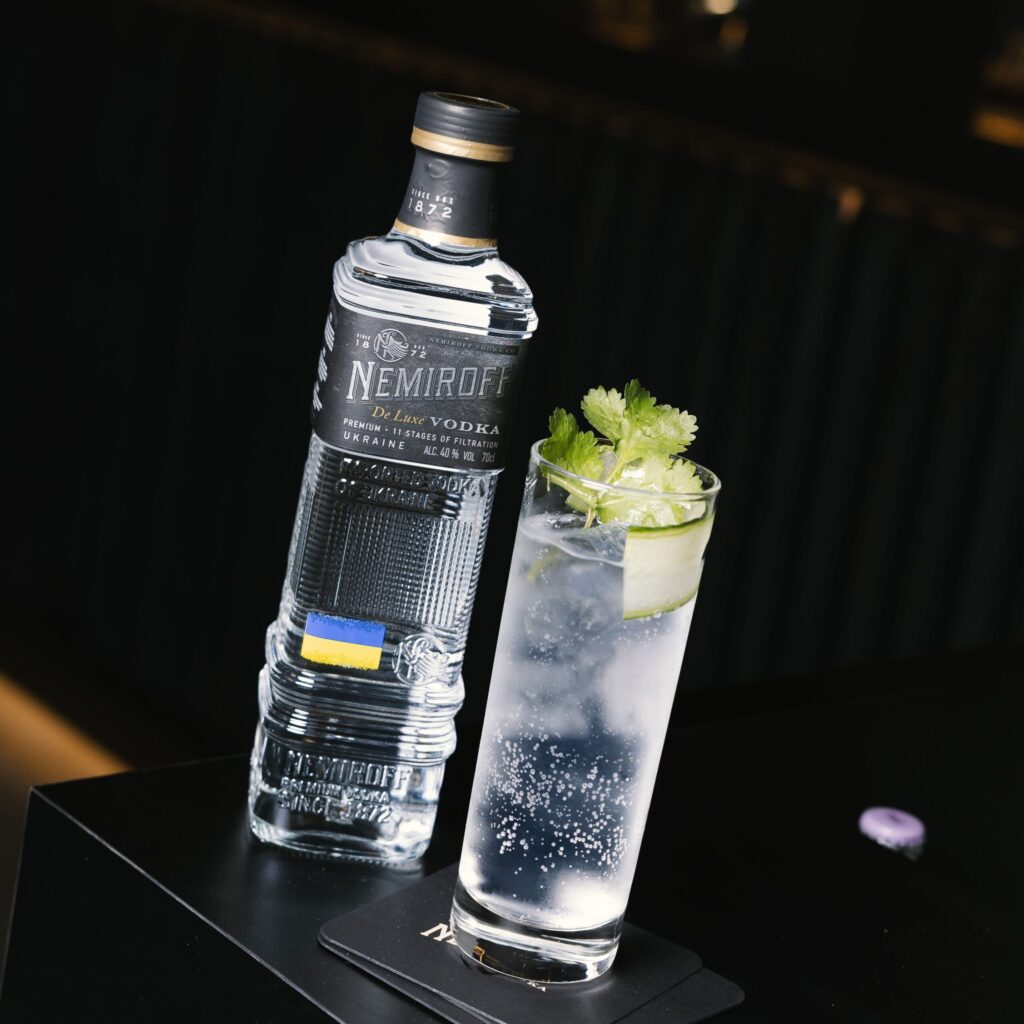
The reasoning goes like this: so many ingredients are added to a cocktail that the vodka simply gets lost among them. Why pay more if you can’t taste it in a “Bloody Mary” or a “Ukrainian Mule” anyway?
This is one of the most dangerous misconceptions, ranking among the biggest vodka myths. Alcohol is the foundation and the “conductor” of flavour. Poorly purified vodka with a high impurity content will leave an unpleasant bitter aftertaste that even the sweetest syrup cannot mask.
When you’re making cocktails, the vodka should enhance the ingredients, not clash with them. A chemically pure and smooth base allows the essential oils of lime or the aroma of coffee to unfold more fully. The quality of the base is the foundation upon which the entire architecture of the mix is built.
Myth №5: “Vodka Doesn’t Have a Distinct Origin or Character”
The concept of ‘terroir’ does not apply solely to wine. The geography of production influences vodka through water quality and climate. This point is often dismissed as a cultural misconception.
In 2017, interest in the concept of terroir grew within the premium vodka market—an approach whereby the flavour of the drink depends not only on the recipe and production methods, but also on the region where the grain is grown. Producers began to focus on the characteristics of the climate, soil and local raw materials, demonstrating how different conditions can influence the aroma and flavour profile of vodka. Some regions were characterised by softer, sweeter notes with hints of honey and caramel, whilst others featured spicier, richer combinations with peppery and nutty accents.

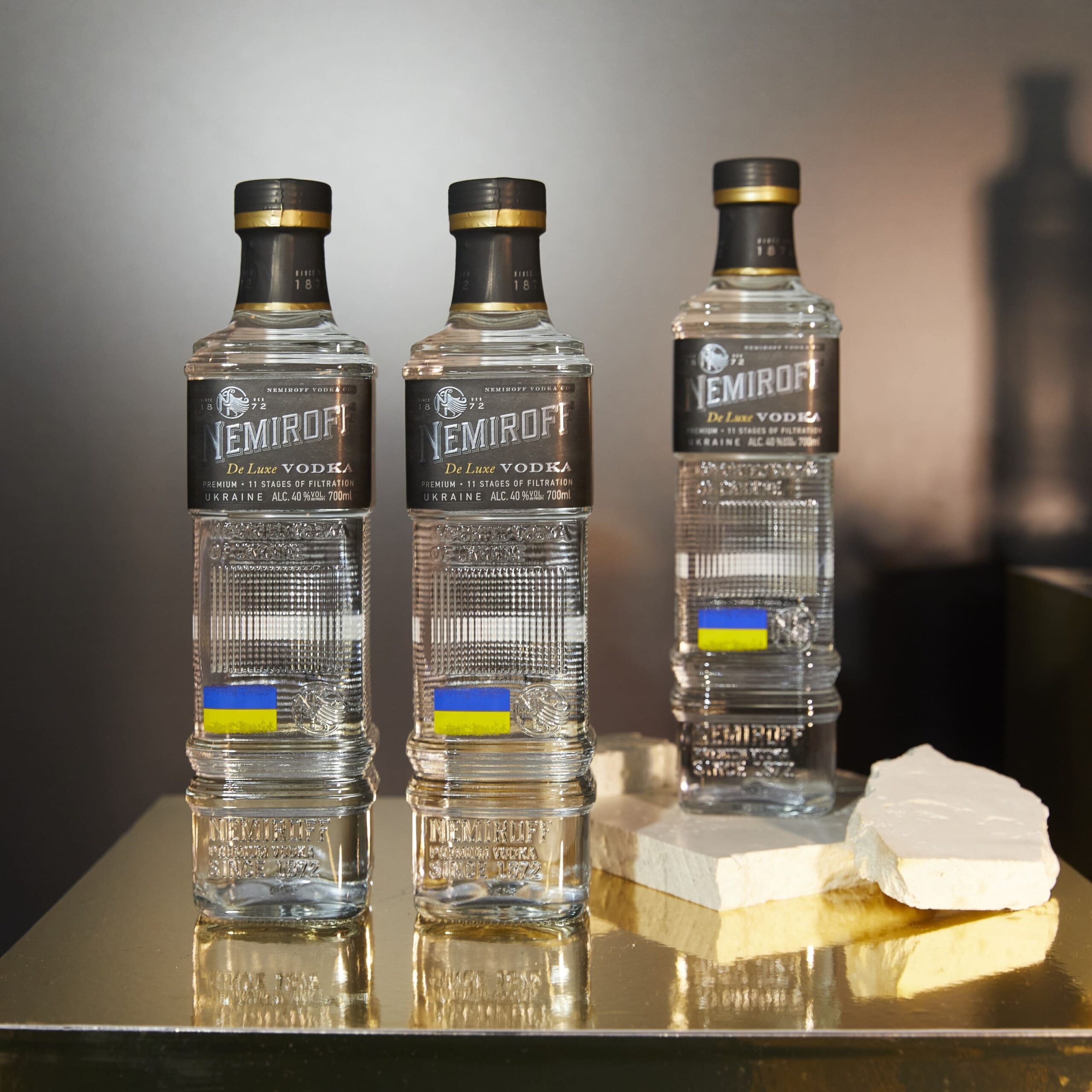
When discussing origins, one cannot overlook the Nemiroff range. For over 150 years, production has been based in the Podolia region, where water is drawn from the distillery’s own artesian wells. This is the Scythian Plateau, a natural filter that gives the water an ideal mineral balance and velvety smoothness. The local black soil and climate influence the characteristics of this “Lux” class spirit, making the flavour purer and more “bready”.
Canadian Vodka Facts: What Makes Vodka Unique Today
Canada has its own distinctive characteristics when it comes to the consumption and perception of this drink. When considering popular vodka myths in Canada, it is worth noting that Canadian consumers have historically been accustomed to high standards of filtration.
Key Canadian vodka facts indicate that vodka is the best-selling spirit in the country. That said, there are a few facts worth knowing:
– Canadians are increasingly opting for craft and local brands, valuing their origins and history.
– Canadian consumers are not swayed by myths. They check the ingredients and are willing to pay for quality.
– The trend for low-calorie cocktails and simple combinations (with soda and ice) is making vodka even more popular.
Canadians value transparency throughout the process – from where the grain was grown to the type of carbon used in the filtration process. This encourages producers to move away from anonymous spirits in favour of quality control at every stage.
How to Tell Vodka Facts from Myths
Vodka myths explained: it’s easier than you might think to compare them with the facts. Here are a few practical tips:
– Check your sources. Scientific publications, expert tastings and official data from producers are more reliable than forums and social media.
– Taste with intention. Taste vodka at the correct temperature (8–12°C), neat and in simple mixes, to assess its profile.
– Study the label. Information about ingredients, alcohol content, the producer and certification is a sign of transparency.
– Trust your senses. If a drink leaves a harsh aftertaste, a headache or discomfort, that’s a warning sign, regardless of price or brand.
– Consider the context. Vodka health myths often ignore individual factors: age, health and genetics.
Vodka is not just an alcoholic drink; it is part of our culture, craftsmanship and taste. A mindful approach allows you to enjoy the drink without compromising on either quality or safety. By debunking myths about vodka, we do more than simply gain knowledge. We create a space for a deeper and more respectful dialogue with what’s in your glass. Your health, your taste and your choice deserve the truth.
You may also like