


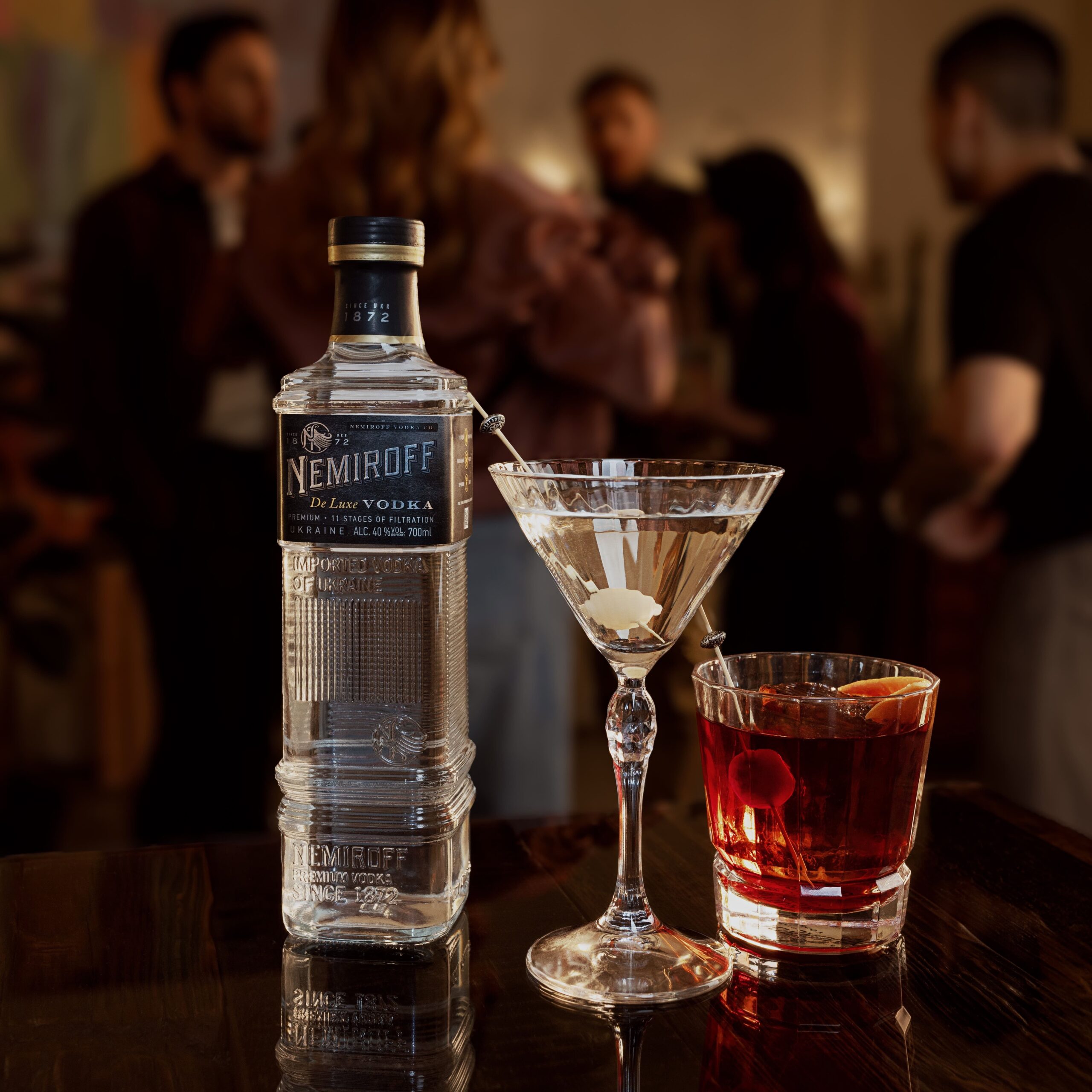
How to Choose the Right Vodka for Cocktails
The art of mixology is no compromise. Crafting the perfect cocktail is this delicate balance of proportions, temperatures and textures, all at once. Every single ingredient has a specific purpose, not just “there” for the vibe. The base of any classic or signature drink pretty much defines the whole character. A perfectly matched spirit does not simply blend into the other ingredients. It enhances them, creating a multi-faceted flavour profile.
Whether you’re mixing drinks at home or in a professional bar, the vodka for cocktails acts as the canvas against which the subtlest flavour nuances unfold. It must be pure enough not to overpower the light citrus notes, whilst at the same time possessing its own texture that adds depth to the drink. If you’re looking for the absolute best vodka for cocktails, it’s probably worth moving past stereotypes. Think a bit about how it gets made, the water quality, and even the brand’s philosophy.
What Makes Vodka Suitable for Cocktails?
The secret to a perfectly basic vodka for cocktails is mostly about purity and that smooth texture. Even though people repeat myths all the time, real quality is not made by aggressive processing, it’s more about this quiet, almost patient purification routine. During the making of higher-grade vodka, distillation is not used at all. Instead they rely on complex, multi-stage filtration.
Professional bartenders think the best vodka for mixing ought to feel smooth, like a silky finish, with no real harsh edges. It shouldn’t burn the throat, not even a little, and it should not leave that rough, alcoholic aftertaste hanging around. If the filtration is solid the spirit gets that same smoothness and then it blends right in with vermouths, juices, or coffee liqueurs, without actually clashing with the flavours.
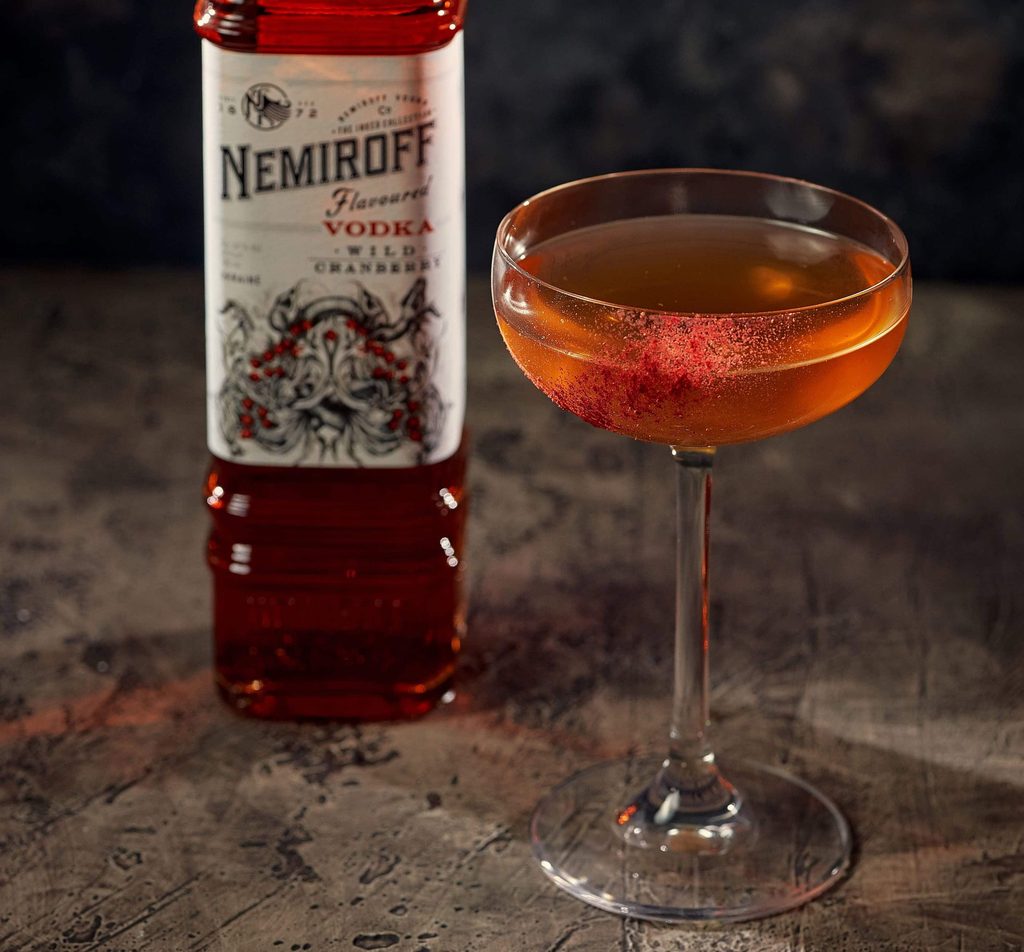
Match the Vodka to Your Cocktail
Your choice of base depends entirely on the specific drink you’re planning to make. Each recipe wants its own approach to texture and flavour.
Vodka Martini
Martini is an absolute classic, it really leaves no room for mistakes. Unlike some other cocktails it has no sweet syrups, no brightly coloured juices, nothing to cover up any flaws in the spirit. It’s a drink where purity sits right centre stage, always.
Trying to find the best vodka for martinis is basically choosing a spirit with a crystal clear vibe and a smooth, slightly mineral finish that follows you. The ideal Vodka Martini needs a base that works with dry vermouth and doesn’t fight it, because it should reinforce those herbal notes instead of clashing with them. Even the small aroma of lemon zest, or the saltiness that comes with an olive, should just be a supporting touch to the whole scene, like an elegant best vodka for martinis.
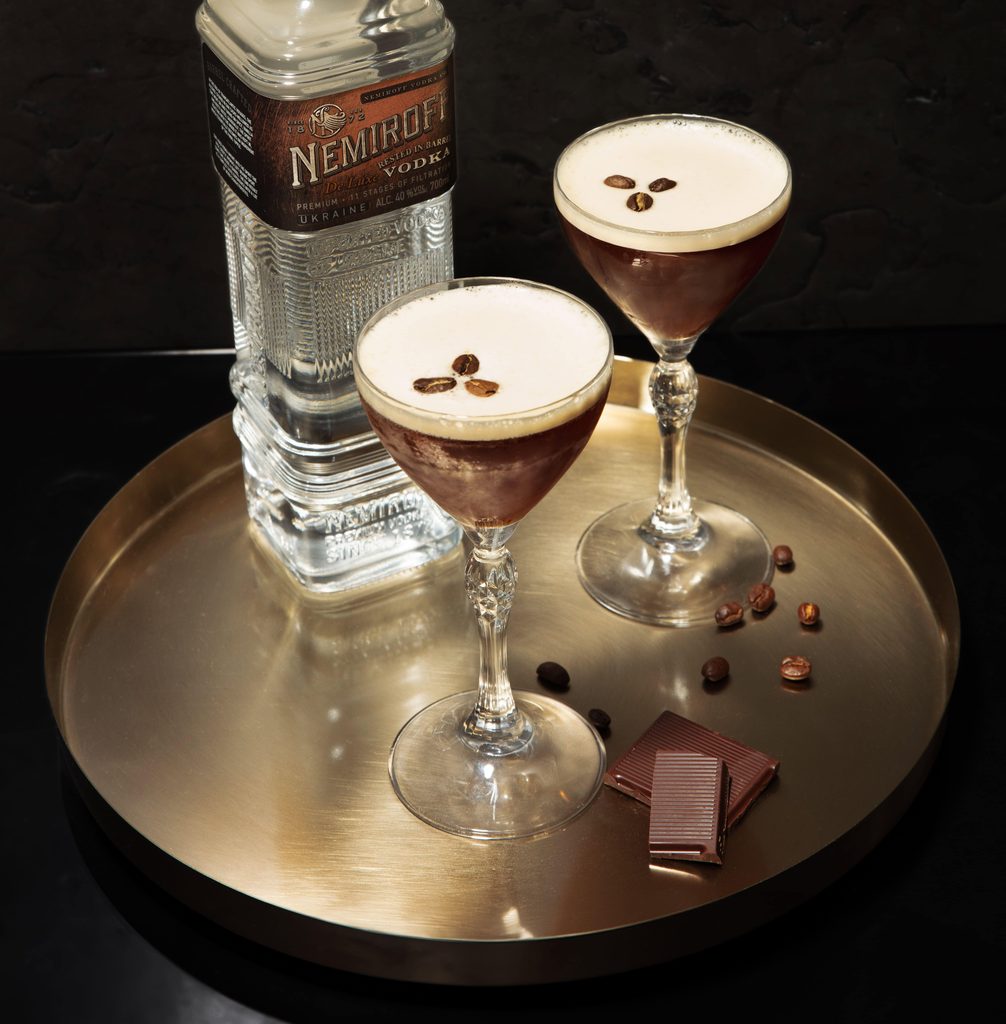
Espresso Martini
Coffee cocktails are totally a different matter. Here, you need some kind of base that can actually stand up to the richness of espresso and also the sweetness of coffee liqueur, not just “cope”. The drink has to be strong enough so it doesn’t get pushed aside by the bold flavours of roasted coffee beans.
And when you’re hunting for the best vodka for an espresso martini, pay attention to spirits that come with subtle hints of spice, or even a touch of vanilla in the flavour profile. A decent Espresso Martini should be quite thick, with a lovely creamy head. High-quality, filtered best vodka for espresso martini will provide the necessary viscosity to the texture, making every sip deep and rich.
Citrus and Fruit-Based Cocktails
Maximum neutrality is required for refreshing long drinks made with fresh citrus fruits, berries or herbs. The role of the base spirit here is to heighten the freshness of the lemon, lime or grapefruit, whilst remaining unnoticed.
In such cases, the best type of vodka for mixed drinks is a classic, well-filtered range without any pronounced distinctive additions. It will allow the juices to come into their own, whilst giving the drink the necessary alcohol content and structure.
Plain or Flavoured Vodka: Which Should You Choose?
The choice between the best type of vodka for mixed drinks and flavoured vodka comes down to your ultimate goal. The classic option offers versatility. It’s a blank canvas that will suit 90 per cent of classic recipes. Flavoured variations, on the other hand, open up new horizons for creativity.
When you’re putting together some complicated multi-ingredient punch or a signature cocktail, a flavoured base can be that quiet secret ingredient. Those small hints of honey, pepper, cranberry or citrus, really can rescue you from having to pour in unnecessary syrups. Even so, there’s this general rule in mixology that says the best vodka for mixed drinks is the one that keeps everything in balance. And if you’re going with a flavoured base, then cut back on the other punchy ingredients a bit, so it doesn’t end up overpowering your palate.
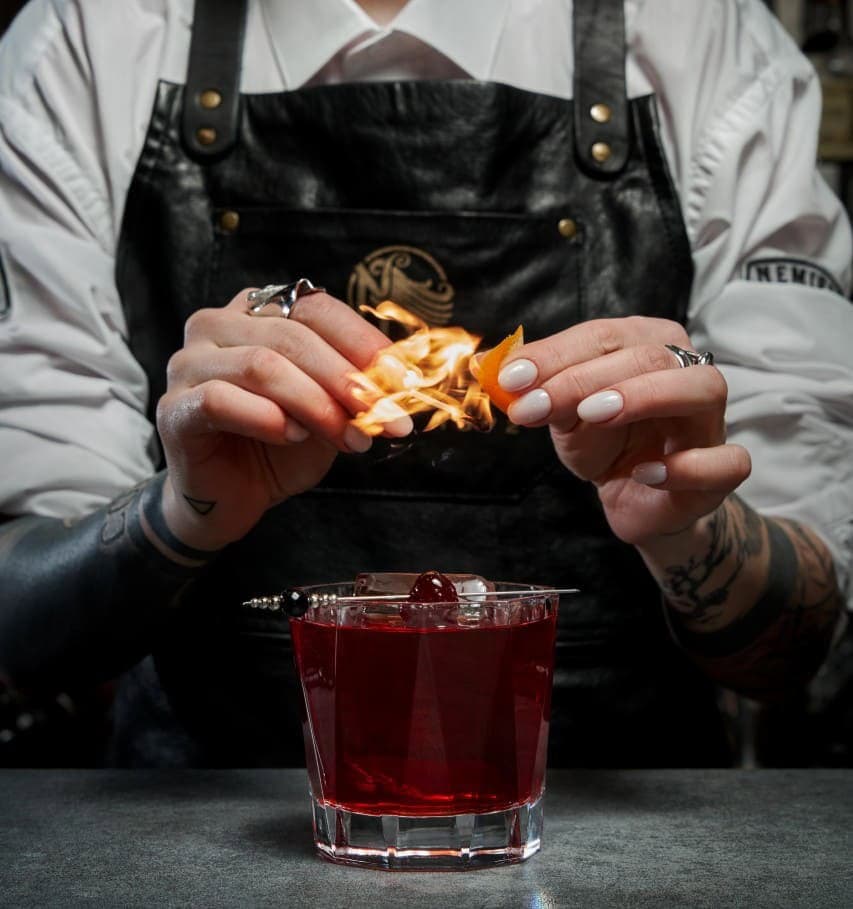
How to Assess Flavour, Texture and Strength
Assessing spirits for cocktails is a process similar to wine or perfume tasting.
1. First and foremost, you should pay attention to the aroma. Even the purest spirit has a light, barely perceptible scent – fresh, bready or slightly sweet. Harsh chemical notes indicate insufficient purification.
2. The second stage is the texture, which professionals refer to as “mouthfeel”. A premium best vodka for mixed drinks, which has undergone multi-stage filtration, always tastes silky and smooth. It gently coats the palate without making you want to wash it down with something else straight away. It is precisely this texture that is the key indicator. You can be sure you’ve found the very best vodka for cocktails, one that will make your drink perfectly balanced.
3. Alcohol content matters too. The classic 40 per cent creates the perfect structure for the drink, meaning it doesn’t dilute too quickly when it comes into contact with ice in a shaker or mixing glass.
How to Balance Price and Cocktail Style in Canada
The Canadian market is characterised by a sophisticated consumer culture and high standards regarding the quality of ingredients. Here, it is not simply the brand that is valued, but the history behind it, the manufacturer’s commitment to responsibility and, of course, the product’s organoleptic properties.
When picking a base spirit for a home bar, or some sort of professional venue in Canada, you really wanna strike a balance between cost and quality. With the more complex cocktails, where the base spirit gets stretched out with juices and syrups, it’s not always sensible to reach for limited edition releases; they can be a bit pointless. But when you’re making a Martini, or those drinks that are just two or three ingredients, there’s no reason to cut corners on the base spirit. Putting money into a premium bottle always works out, you end up waking with a clear head in the morning, and you get that impeccable flavour later on, in the evening.
De Luxe and The Inked Collection for Cocktails
The Nemiroff brand offers solutions that fit perfectly within the concept of modern mixology, embodying the principles of “quiet luxury” – nothing superfluous, just the essence in its purest form.
The De Luxe range is designed for people who truly appreciate that absolute purity. Thanks to an 11-stage filtration process, the spirit gets stripped of even the tiniest impurities, until there’s only a smooth, velvety texture left behind, no fuss. This is a go-to choice for classic cocktails, where every ingredient takes centre stage and stays there. It also works really well with gastronomic pairings, whether it’s light seafood appetisers, carpaccio, or mature cheeses.
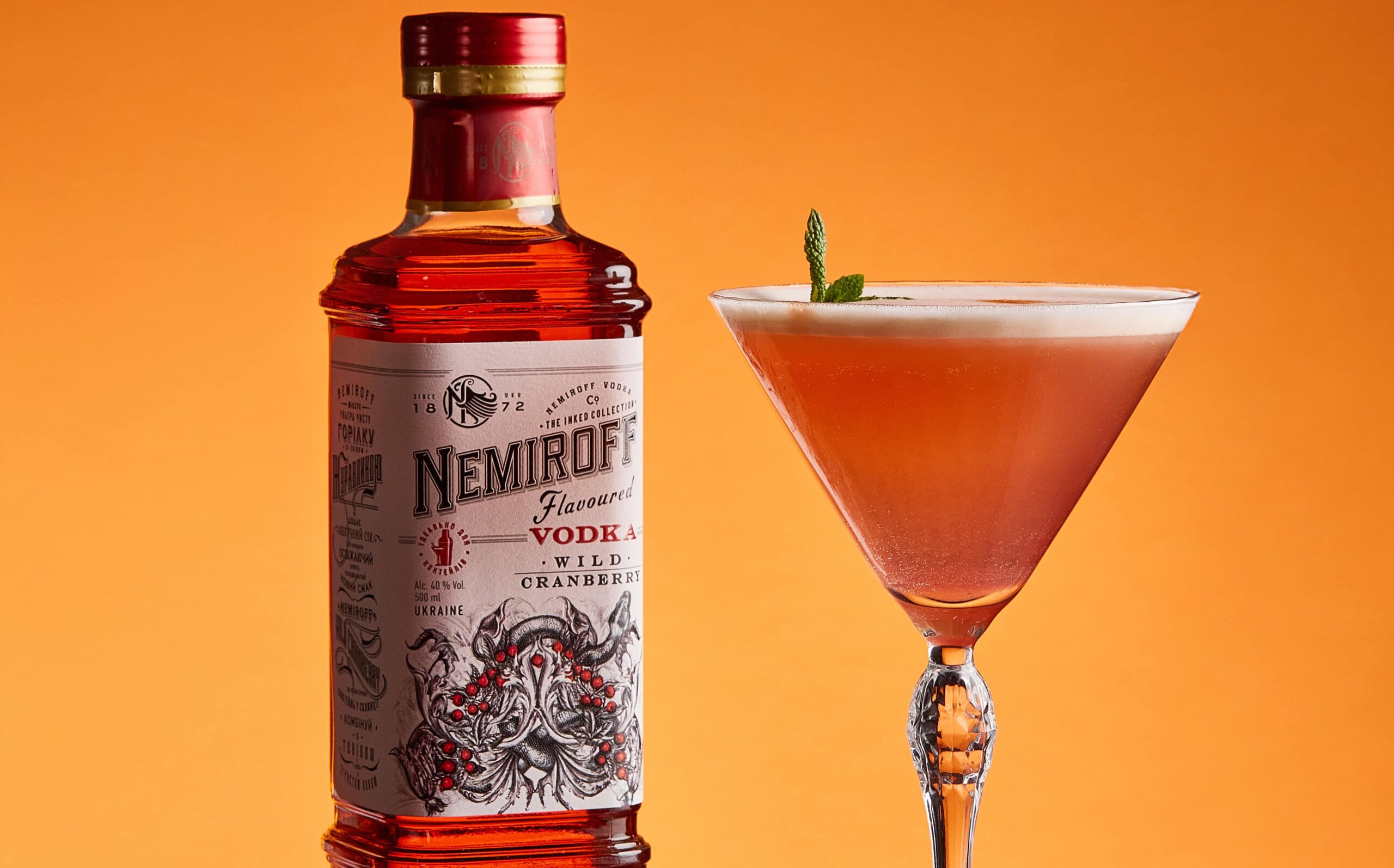
The Inked Collection (including Burning Pear, Wild Cranberry and Bold Orange), on the other hand, opens up scope for experimentation. This collection is pretty well suited to modern, bold recipes. You get notes of honey and pepper, the tartness of cranberry or the brightness of orange — they make a powerful base, enabling you to craft cocktails with character effortlessly. They also pair wonderfully with spicy meat dishes, bruschetta, or even dark chocolate, when you switch to coffee-based variations.
Conclusion
Making the perfect cocktail is a reflection of your taste and also this little attention to detail you can’t really fake. Don’t just pick your base spirit at random, or because the label looks nice. Having a grasp of filtration processes, plus being mindful of texture and knowing how to choose the right spirit for a given recipe turns what should be a simple combining of ingredients into a real art thing. When you put quality first, you’re not only selecting a drink, you’re also choosing an aesthetic and showing respect for your own sensibilities.
You may also like




FAQ
Look out for the production process (multi-stage filtration), texture (silky smoothness) and the absence of any strong odour. The purity of the product is the key criterion.
No, price isn’t always the only factor. What matters more is how the spirit has been distilled and whether its profile is suited to a particular cocktail. Many affordable premium ranges do an excellent job of this.
For a Martini, choose the purest, most classic variety with a neutral flavour to let the vermouth shine through. An Espresso Martini requires a textured base that can balance the bitterness of the coffee and the sweetness of the liqueur.
The classic base is used in most traditional cocktails, or when you don’t want to overshadow the flavour of fresh juices or herbs. Flavoured versions really come into their own in signature drinks or simple mixes (such as with tonic water).
Yes. A high-quality core range that has undergone rigorous selection (such as the De Luxe range, for example) is completely versatile. It will serve as the perfect base for both dry and sweet or fruity drinks.