In cocktail culture, classic traditions are constantly intertwined with innovative ideas. It’s no coincidence that vodka has become a true gem for many recipes. Its neutral taste and the high degree of purification of quality vodka make it an ideal base.
How and when vodka-based cocktails first appeared, and how classic recipes are being reimagined today— we’ll discuss all of this below.
How vodka became the foundation of classic cocktails worldwide
How did vodka cocktails come about? The emergence of vodka-based cocktails took place during a period when bar culture focused exclusively on whisky and rum and gin until the mid-20th century. The Second World War brought about a complete transformation of American life. The American market saw the introduction of new imported drinks which led mixology enthusiasts to explore different taste options.
Vodka provides an advantage because it has a flavor profile that remains completely neutral. Bartenders gained the ability to test different ingredients because they could use this ingredient without worrying about creating bad taste combinations. The evolution of vodka-based cocktails started with this particular event.
Legendary vodka-based cocktails and their origins
The origins of classic cocktails are often shrouded in myth. Yet each one captures the spirit of its era.
Bloody Mary
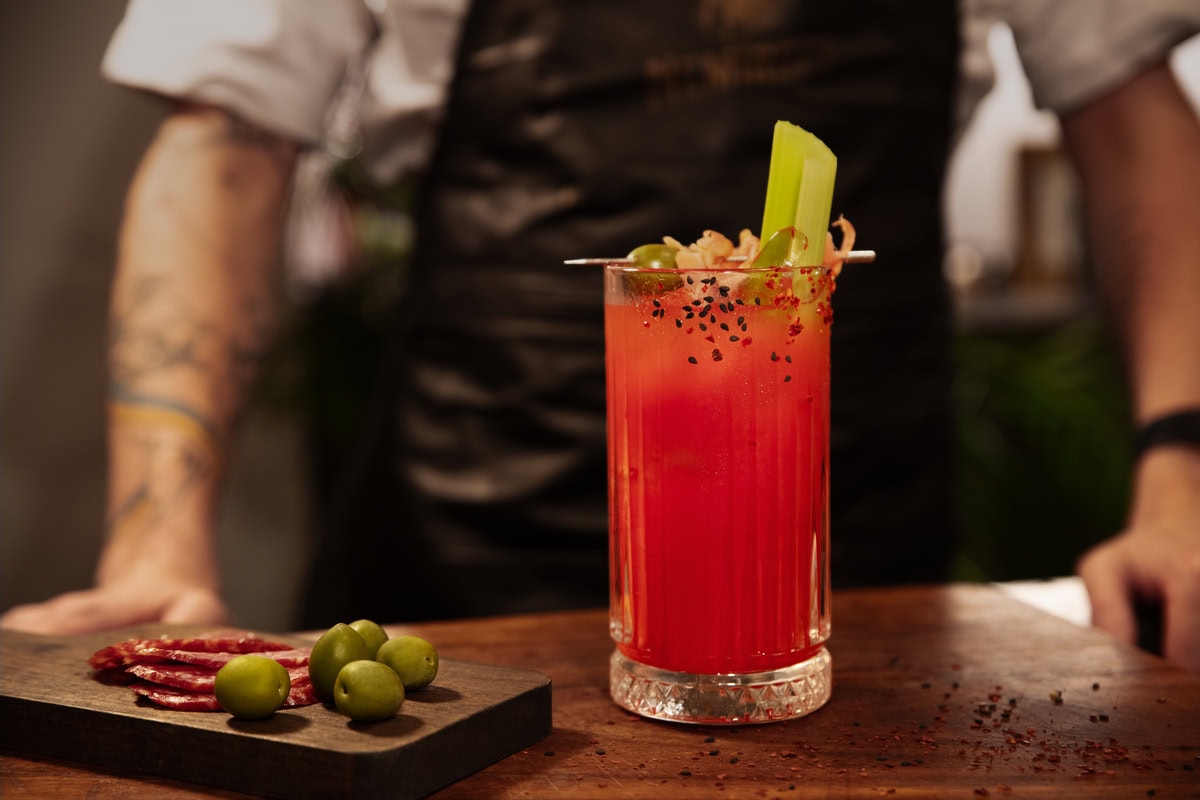
The most iconic drink was created at “Harry’s New York Bar” in Paris. This happened in the 1920s, when Fernand Pétio combined vodka with tomato juice. A little later, he began adding spices as well. This was the first step toward creating full-fledged “gourmet” cocktails. At the time, they were perceived as a complex combination of flavors.
Screwdriver
This cocktail has its origins which trace back to the 1940s. The story tells that American oil workers who worked in Saudi Arabia used to mix vodka with orange juice without anyone knowing. They used a standard screwdriver as their only available tool to mix the drink. The drink became a bar standard because it combined simple ingredients with refreshing flavor.
Cosmopolitan
Compared to its predecessors, this is a relatively new cocktail. It became iconic in the 1990s, largely thanks to the TV series “Sex and the City.” It is often described as the embodiment of the glamour of that era.
The origin of the “Cosmopolitan” cocktail comes from multiple bartenders who worked in Florida and New York during the 1980s. They developed a drink recipe which included vodka, cranberry juice, fresh lime juice, and orange liqueur.
The practice of consuming vodka-based cocktails in various nations
The distinct characteristics of each region have shaped the way people prepare and consume mixed drinks. The selection of ingredients and the established serving procedures both depend on these traditions.
The Eastern European context
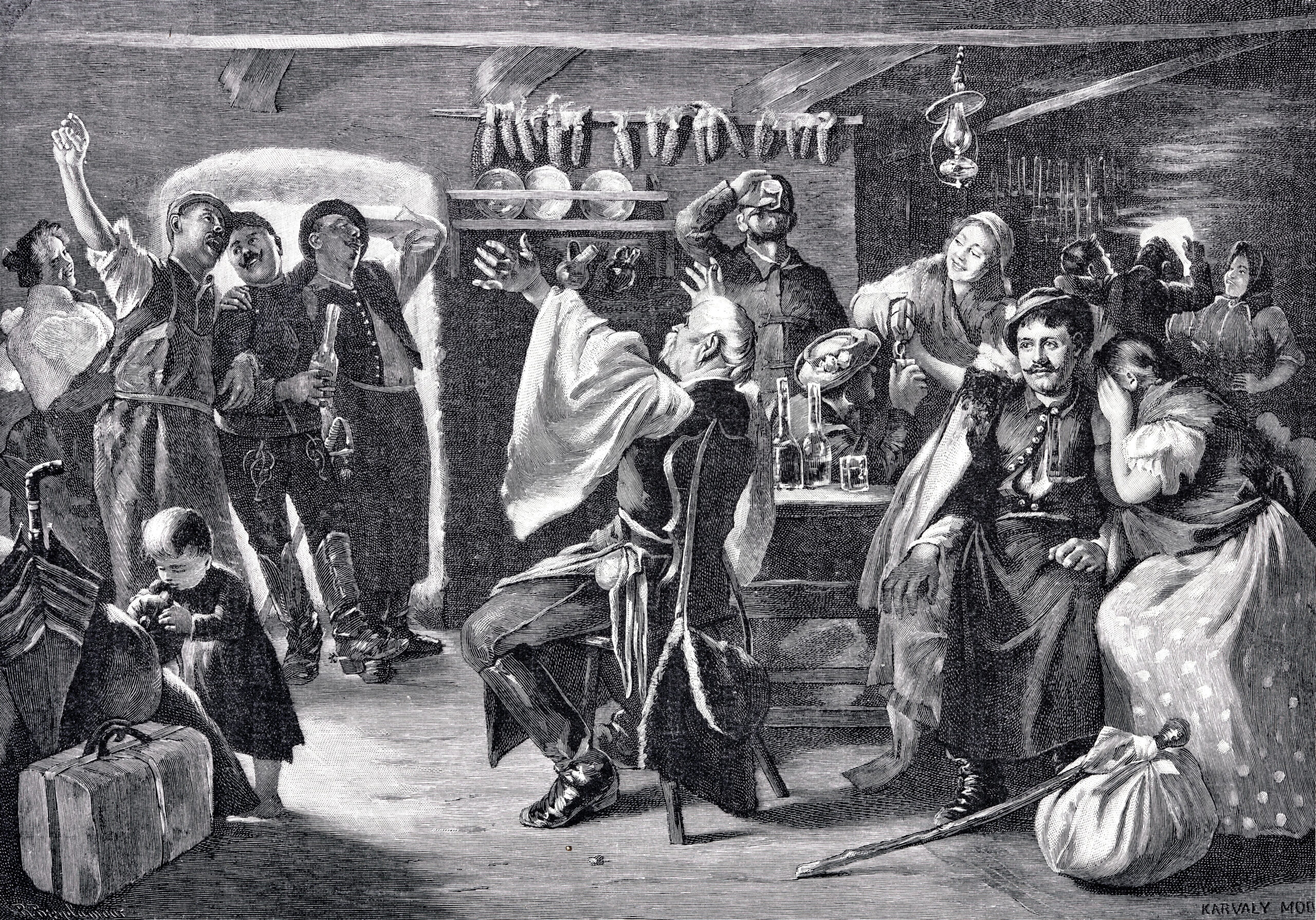
In Ukraine and other Eastern European countries, drinking culture has historically focused on the spirit itself. However, recent decades have seen a shift in this approach. The development of cocktail culture started when restaurant businesses expanded their services to accommodate more tourists while mixology companies began to establish themselves as their own separate market.
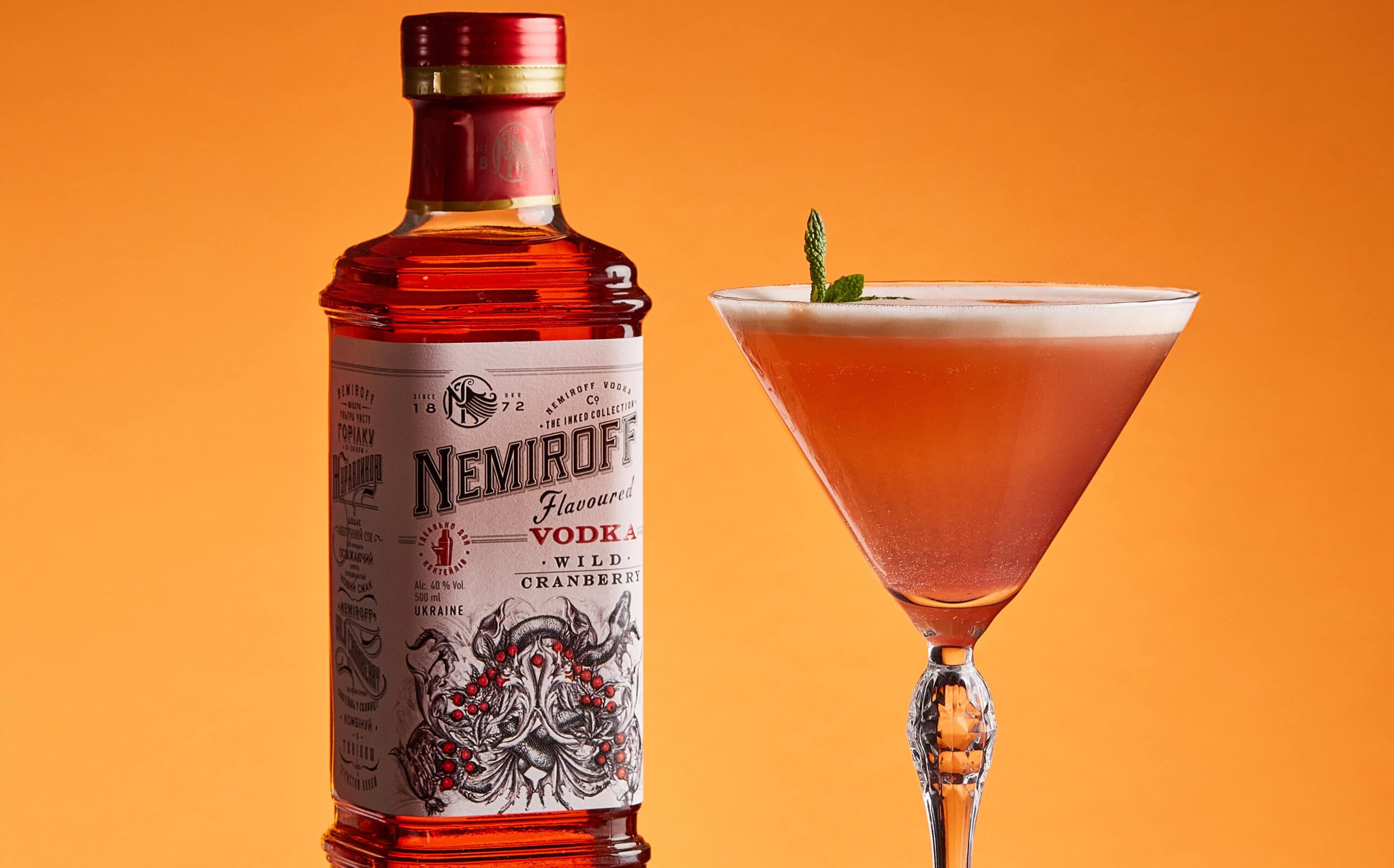
The current cocktail trend in the area combines classic vodka cocktail recipes with exclusive drinks that use premium local produce. One example is the Nemiroff production, which focuses on the careful selection of natural berries, herbs, and honey.
Western bar culture
In the United States and Western Europe, the history of legendary cocktails began much earlier. Bars became a space for experimentation, where recipes were developed. People choose vodka today based on its taste instead of its country of origin. The experts assess vodka through three primary criteria which include its filtration process and smoothness and its ability to remain free from impurities.
Modern interpretations of classic cocktails
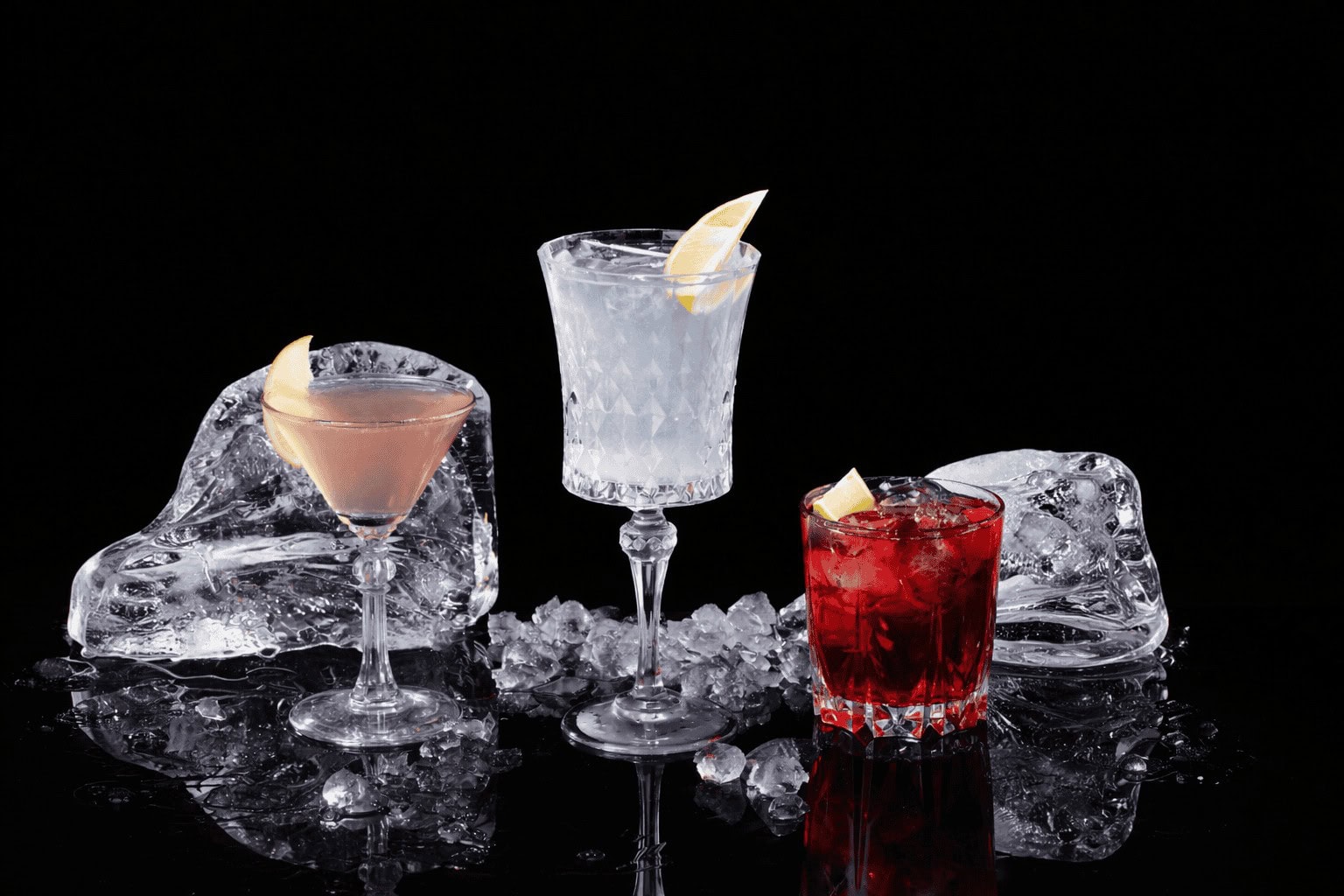
Modern recipes are based on traditional formulas which chefs modify to create dishes that match current dining trends. Cocktails made with Nemiroff products create their own distinct taste profile. For example:
– The Screwdriver recipe, which combines 50 ml of Nemiroff Bold Orange Vodka with 100 ml of cherry juice.
– Double Cosmo – made with two types of Nemiroff vodka: Bold Orange and Wild Cranberry. Coconut water and fresh lemon juice are added, creating a tropical, berry-forward, and lightly sweet flavor.
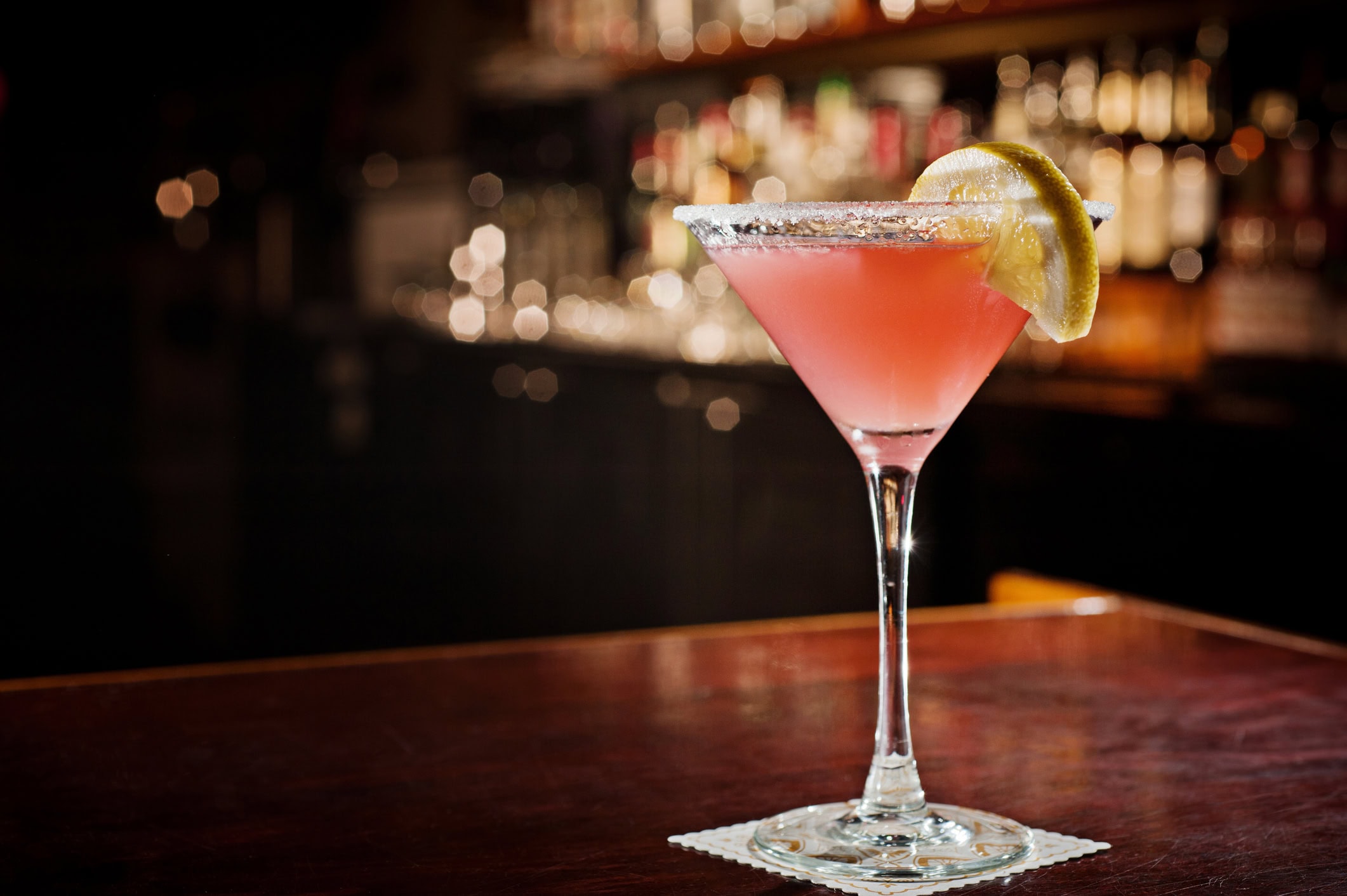
These combinations demonstrate how modern vodka-based cocktails retain their basic structure while altering their flavor profile.
Modern mixology and trends in vodka-based cocktails
Modern mixology is evolving in two directions simultaneously. The first is molecular cocktails. Here, the bartender becomes a true chemist. He alters not only the taste but also the structure and form of the ingredients.
At the same time, there is a return to simple recipes. After a decade of overly complex signature menus, bars are bringing classics back to the menu, but in higher quality, using local craft products.
Low-alcohol drinks based on vodka with the addition of tonics, kombucha, or herbal infusions are also gaining popularity. The use of fermentation allows for the creation of complex umami flavors.
Why classic cocktails remain popular today
The entire industry bases its operations on traditional vodka cocktail recipes which serve as its fundamental base. The traditional recipes establish a connection with the past which enables each generation to create their own distinct variations while maintaining the core recipes.
Conclusions
Vodka cocktail history began with accidental drink mixes and developed into an advanced drinking craft. The cocktail industry today evolves through vodka brands which maintain their traditional methods while they develop new technologies. The quality of the base remains the key factor. It is what defines the core profile of the mix. Meanwhile, classic recipes continue to inspire the creation of new legends.