The spirits market requires manufacturers to constantly seek new ways to communicate with their audience. Consumers seek experiences and authenticity, and alcohol festivals provide the perfect platform for building an emotional connection between the brand and the customer. These are not just tasting events, but large-scale cultural events. They shape trends in certain categories of alcohol.
The promotion of vodka at festivals is aimed at changing the perception of the drink. From a traditional “strong product” to a base for sophisticated mixology. Now let’s look at how bar festivals help brands win the favor of young people, the role of sponsorship, and how modern marketing strategies turn an ordinary event into a powerful sales tool.
Bar and alcohol festivals as a platform for brand promotion
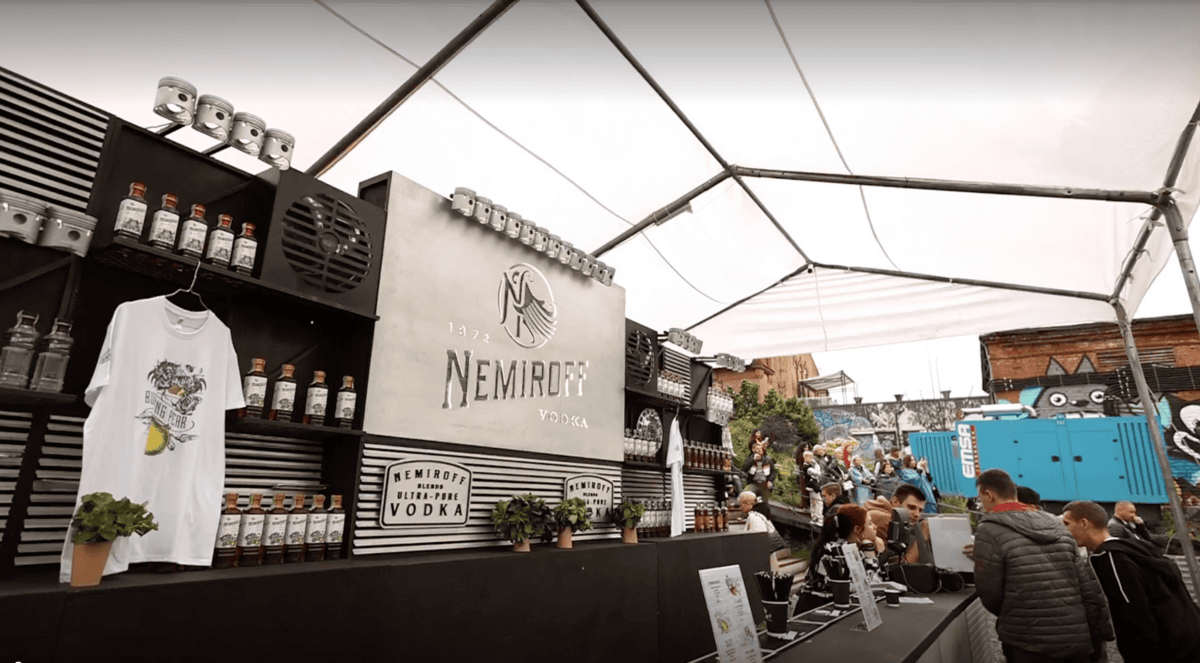
Recently, alcoholic beverage festivals have become professional networking platforms. For giants such as Nemiroff, participating i in such events as Atlas Weekend and PKLN’A allows them to go beyond supermarket shelves. It is a lively interaction where vodka-based cocktail recipes are presented by the best bartenders. This increases the brand’s expertise in the eyes of visitors.
Marketing at festivals solves the problem of brand memorability. When consumers see the name not in a TV commercial, but as part of their own vibrant leisure time. This increases loyalty significantly. Such strong alcohol festivals bring together a target audience that is ready to experiment. All this makes them the perfect place to present new lines or limited editions.
Festival sponsorship: key mechanics and promotion tools
When considering the benefits of sponsorship, it is worth highlighting, first and foremost, access to a huge database of potential customers. Sponsoring festivals is not just about placing a logo on stage, but rather comprehensive integration. It includes branded bars, exclusive rights to sell drinks, and the creation of unique photo zones. These are classic examples of event marketing, where every detail works to build brand awareness.
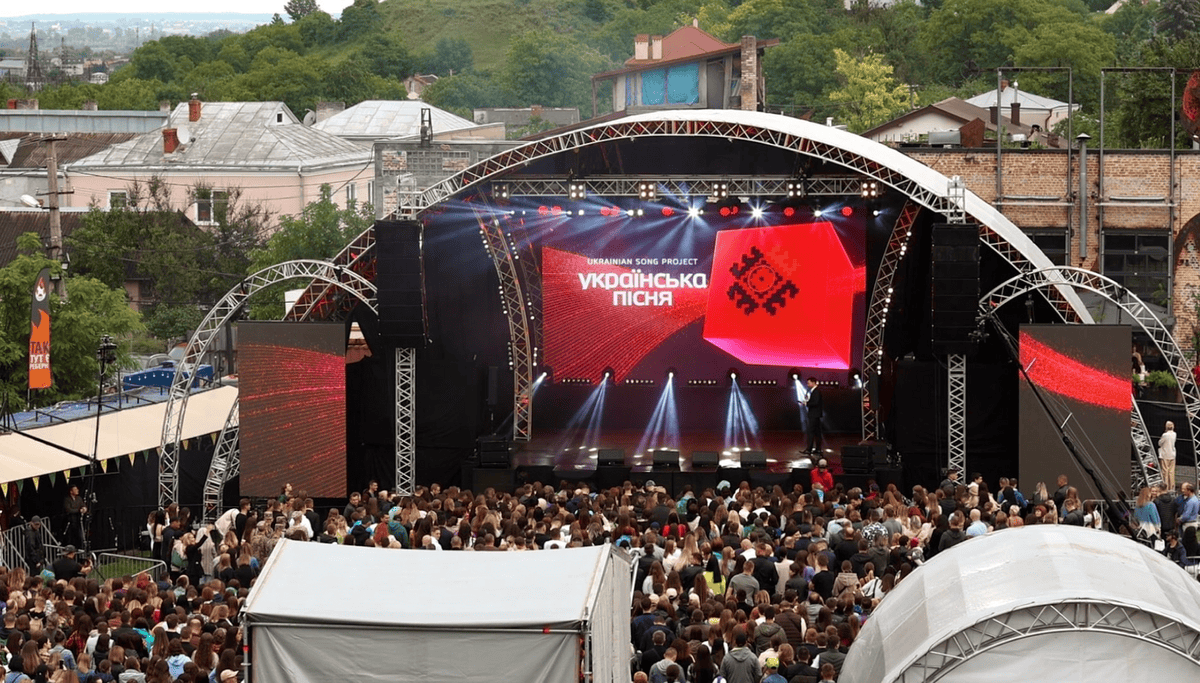
In today’s world, vodka advertising faces many restrictions, so events are becoming a legal and effective way to showcase the benefits of the product. Using viral marketing, brands create Instagram locations. They encourage users to generate UGC (user-generated content). Every photo of a visitor holding a cocktail glass is free and genuine promotion of the brand on social media. And they reach thousands of other people.
Why the tasting format is particularly effective for vodka
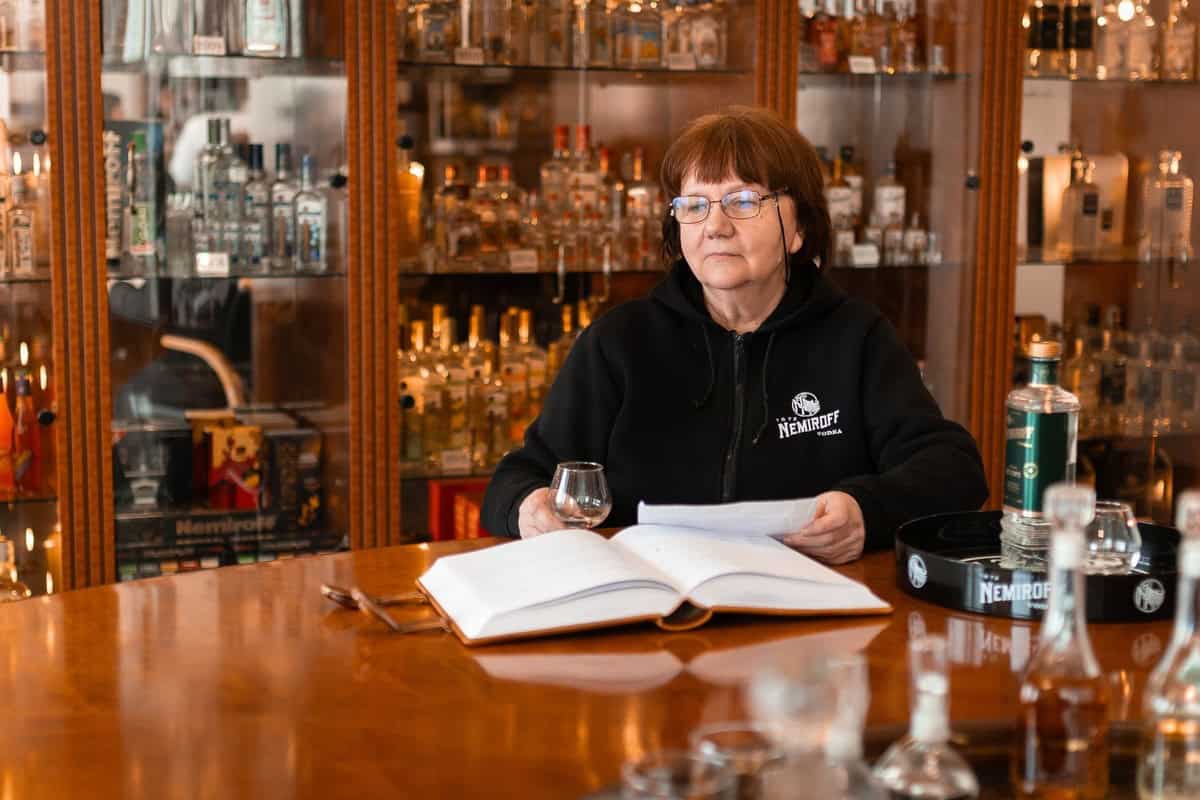
Vodka is a drink that often hides its quality behind visual simplicity. That is why vodka tastings at festivals are crucial. They allow consumers to taste the difference between mass-market and premium products, where the history of the Nemiroff brand and its 11 stages of filtration become apparent.
Vodka tasting in the form of “blind tests” or accompanied by a professional ambassador helps to reveal the nuances of grain distillate. This contributes to the phenomenon of vodka premiumization. Customers begin to understand why they should pay more for quality. When people try a drink directly from the manufacturer, the barrier of mistrust disappears. This is key to promoting premium alcohol.
Interactive activities and brand zones as a tool for attracting audiences
Modern marketing strategies for vodka at events necessarily include gamification. Brand zones are transformed into interactive laboratories. Here, visitors can create their own cocktail or complete a quest. This provides an unforgettable experience of the event, which will be associated with the brand name.
In addition, successful UGC marketing is built on spectacular decorations. When celebrities or well-known opinion leaders appear at festivals, collaborations with bloggers take place right on the spot. Shared stories, streams, and reviews create a sense of presence for those who were unable to attend the event.
The main reasons why brands participate in festivals
When analyzing why brands sponsor major events, we can identify several strategic goals:
– Direct contact with the audience. The opportunity to receive instant feedback.
– Increased sales. Festivals are a huge market here and now, as well as an incentive for further retail purchases.
– Competitor analysis. The opportunity to see in real time what mechanisms other market players are using.
– Promotion of cocktail culture. Through cocktail festivals, the brand teaches consumers about the right combinations and a culture of responsible consumption.
By using a live platform, manufacturers can communicate brand values much faster and more effectively than through cold sales channels.
How to correctly measure the results and effectiveness of participation in the festival
Any marketing activity of this scale requires careful analysis. After all, it involves significant costs. These costs must be recouped in the form of loyalty or direct profits.
In modern practice, effectiveness is measured not only by the number of alcoholic drinks sold over the weekend. A comprehensive assessment allows us to understand whether the marketing strategy has been successful. To get a complete picture, marketers use a combination of indicators:
– Direct sales and conversion. The total volume of products sold through brand bars is analyzed and compared with planned indicators. It is important to calculate the average bill and the number of drinks per festival visitor.
– Media coverage and digital resonance. This is where UGC marketing comes in handy. The number of unique posts with brand hashtags, Instagram and TikTok story coverage, and the tone of comments are analyzed.
– Quality of contact. The average amount of time a visitor spent in the brand zone is taken as a basis. And if guests also participated in interactive activities, listened to lectures, attended mixology master classes, this indicates deep engagement.
– Analysis of consumer preferences. A festival is a huge focus group. Collecting data on which cocktail recipes were most popular allows you to adjust your product strategy for the entire next season.
– The true value of an event is revealed in the aftermath. When the immediate impressions have faded, the effect of the promotion remains. It can be measured by analyzing sales dynamics in the region’s retail chains during the quarter after the event. If the graphic shows steady positive growth, this is indisputable proof that the festival has effectively formed a new customer audience and transformed interest in the brand into commercial terms.

The analysis of the competitive environment directly at the festival deserves special attention. Understanding what attracts the audience gives food for thought. Ultimately, the most important indicator of success is the convincing economics of the event. An event is considered successful if the cost of quality contact with loyal consumers is lower than the cost of attracting them.
The festival activity of vodka producers is, first and foremost, an opportunity to go beyond the usual image of a “strong drink” and demonstrate its role in modern gastronomic and bar culture. When guests see how skillfully vodka is integrated into complex mixes or complements conceptual dishes, a fundamental rethinking of the category takes place. This is the main result: turning a casual buyer into a conscious supporter who chooses quality, history, and aesthetics of presentation.
The effectiveness of such interaction is based on emotions that cannot be reproduced through a smartphone or TV screen. Live communication with ambassadors, the tactile sensations of premium packaging, and the pleasure of a balanced cocktail flavor create a strong neural connection with the brand. In the long run, this works much more powerfully to capitalize on the brand name than any discount on a supermarket shelf. Festivals set the direction for the development of the entire industry, where the focus is not on consumption volume, but on awareness and genuine enjoyment.