ENVIRONMENTAL & SOCIAL RESPONSIBILITY AT NEMIROFF


ENERGY AND CLIMATE: MANAGING IMPACT THROUGH CONTROL AND FORESIGHT
For Nemiroff, climate responsibility starts with precision. In 2025, the company maintained a systematic approach to monitoring energy consumption and greenhouse gas emissions, ensuring transparency and compliance with national environmental regulations.
Nemiroff to tracks emissions dynamics, assess the effectiveness of technical solutions and plan further reductions.
Nearly half of the plant’s electricity needs (47%) in 2025 were covered by Nemiroff’s own gas cogeneration unit, which produced 1,139,200 kWh during the year. This significantly reduced dependence on external energy sources and improved overall energy efficiency. Two diesel generators remain available exclusively for emergency power supply.
To further reduce energy intensity, Nemiroff implemented a series of targeted technical upgrades in 2025, including:
- modernization of refrigeration system controls to eliminate inefficient start/stop cycles;
- replacement of mechanical thermal control valves with electronic ones for more precise
- temperature regulation;
- reuse of cogeneration heat for deaerator heating during winter, reducing gas consumption;
- thermal insulation of heat exchangers and pipelines;
- replacement of circulation pumps with energy-efficient alternatives;
- optimization of cascade boiler and heating system controls.
An energy audit conducted during the year identified additional opportunities for improvement — from lighting zoning and motion sensors to compressed air network modernization and weather-dependent heating regulation.
Looking ahead, Nemiroff has set a clear climate target: by installing a 250 kW solar power plant, the company aims to reduce CO₂ emissions by approximately 8% by 2030.


WATER STEWARDSHIP: RESPECTING A CRITICAL NATURAL RESOURCE


- regular testing by Nemiroff’s accredited in-house laboratory
- (physical, chemical and microbiological indicators);
- annual independent testing by Vinnytsia Standard Metrology;
- radiological testing every three years, including Cesium-137, Strontium-90 and Radon levels.

- sand filters for mechanical purification,
- sodium-cation exchange units for softening,
- reverse osmosis systems to reduce mineralization.
While water reuse was not applied in 2025, Nemiroff has already defined the next step: reusing bottle-rinsing water for spirit production, contributing to reduced freshwater abstraction in the future.

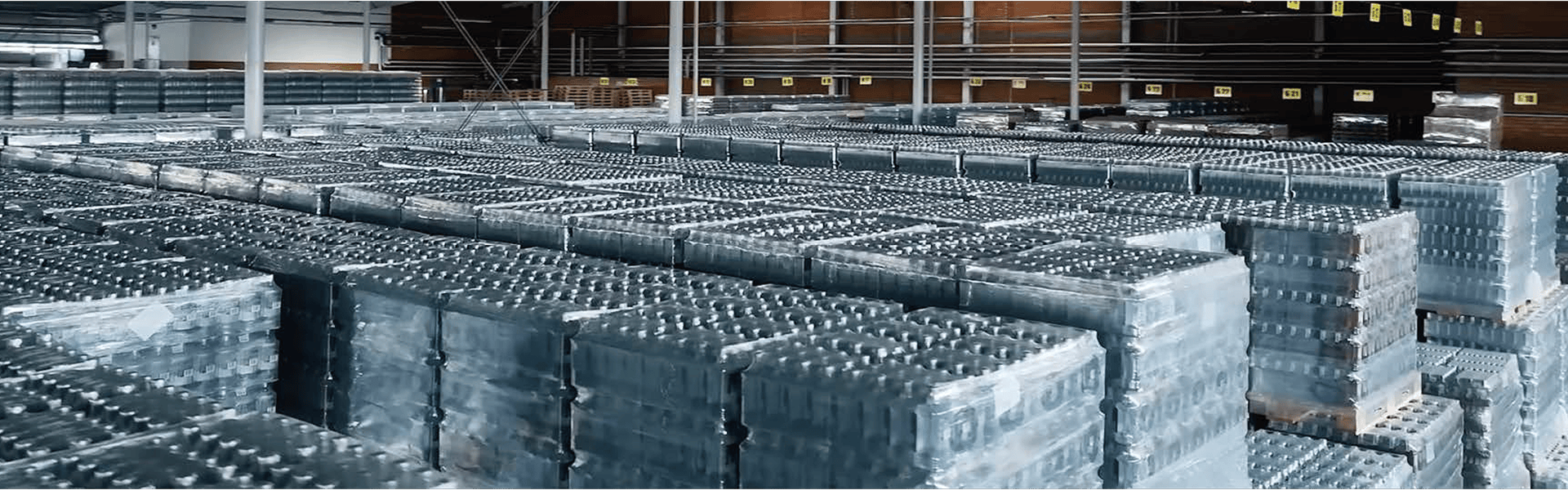
LIGHTWEIGHT PACKAGING: SMALL CHANGES, MEASURABLE IMPACT


WASTE MANAGEMENT AND CIRCULARITY: TURNING RESPONSIBILITY INTO ROUTINE
- temporarily stored on site;
- transferred to licensed specialized contractors for treatment or disposal.
Recyclable materials such as cardboard, glass and film are separated and transferred for recycling. In line with Ukrainian legislation, secondary raw materials are not classified as waste.
tonnes of hazardous waste
tonnes of non-hazardous waste
As a result of contractual arrangements with certified partners, 99% of total waste was transferred for processing or recycling. Nemiroff cooperates with LLC “Scientific and Production Company UKREKOPROM” (Odesa) for waste treatment services.
Due to the reconstruction of the distillery, spent grain (bard) was not generated in 2025. However, its future is already defined: once production resumes, bard will become a key input for Nemiroff’s biogas project.
Within the Waste Management Plan for 2025–2029, the company has set a clear, measurable goal: to reduce total waste generation by 10% annually, compared to each preceding year.
Progress is monitored regularly based on actual waste accounting data.
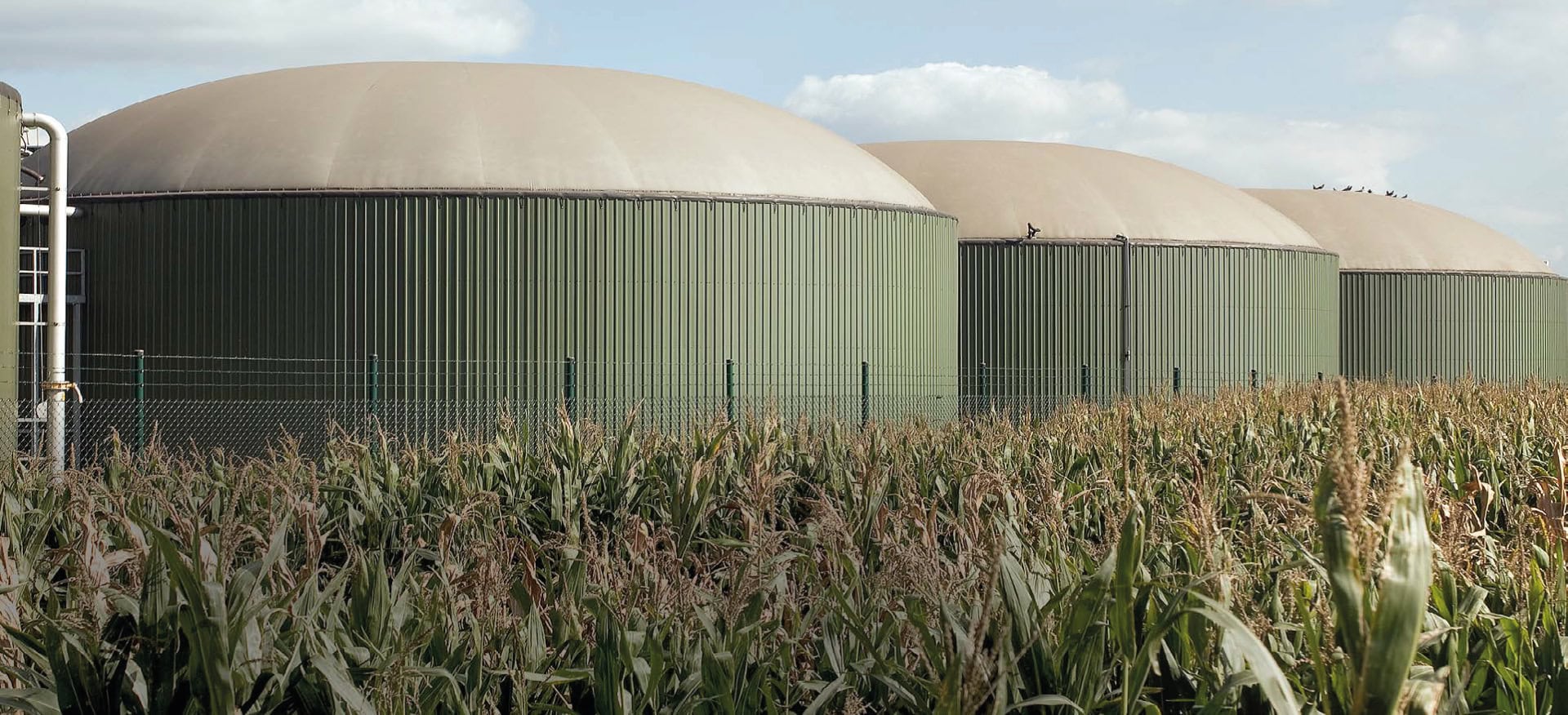
BIOGAS PROJECT: FROM BY-PRODUCTS TO CLEAN ENERGY
One of Nemiroff’s most ambitious sustainability
initiatives is the construction of a biogas complex.
BY THE END OF 2025:
- core design solutions had been developed and approved;
- contracts for key technological equipment were in progress;
- preparatory construction works and utility connections were underway.
Construction of the main biogas facilities is scheduled to start
in 2026, with commissioning planned for Q1 2027.
THE BIOGAS PLANT WILL PROCESS POST-DISTILLATION GRAIN BARD THROUGH ANAEROBIC DIGESTION, PRODUCING:
- biogas, to replace natural gas in steam generation and partially power operations;
- digestate, to be supplied to agricultural producers as organic fertilizer.
The project is expected to significantly reduce natural gas
consumption and may enable the sale of surplus thermal
energy to the grid.
OCCUPATIONAL HEALTH & EMPLOYEE WELL-BEING: SAFETY AS A SHARED VALUE
In 2025, Nemiroff implemented a comprehensive, phased system of occupational health and safety measures aimed at reducing risks and strengthening a culture of safe behavior.
KEY INITIATIVES INCLUDED:
- mandatory training and certification in occupational safety, electrical safety,
- fire safety and first aid;
- practical fire-fighting drills conducted with emergency services;
- improved traffic and pedestrian safety through site marking and navigation;
- standardized safety signage and room labeling;
- review and optimization of personal protective equipment standards;
- annual medical examinations and upgraded first-aid infrastructure;
- enhanced pest control and sanitation schemes;
- systematic internal monitoring and corrective actions.
In addition, Nemiroff introduced modern training formats, onboarding safety programs for new employees and data-driven analysis of safety audits to support continuous improvement.
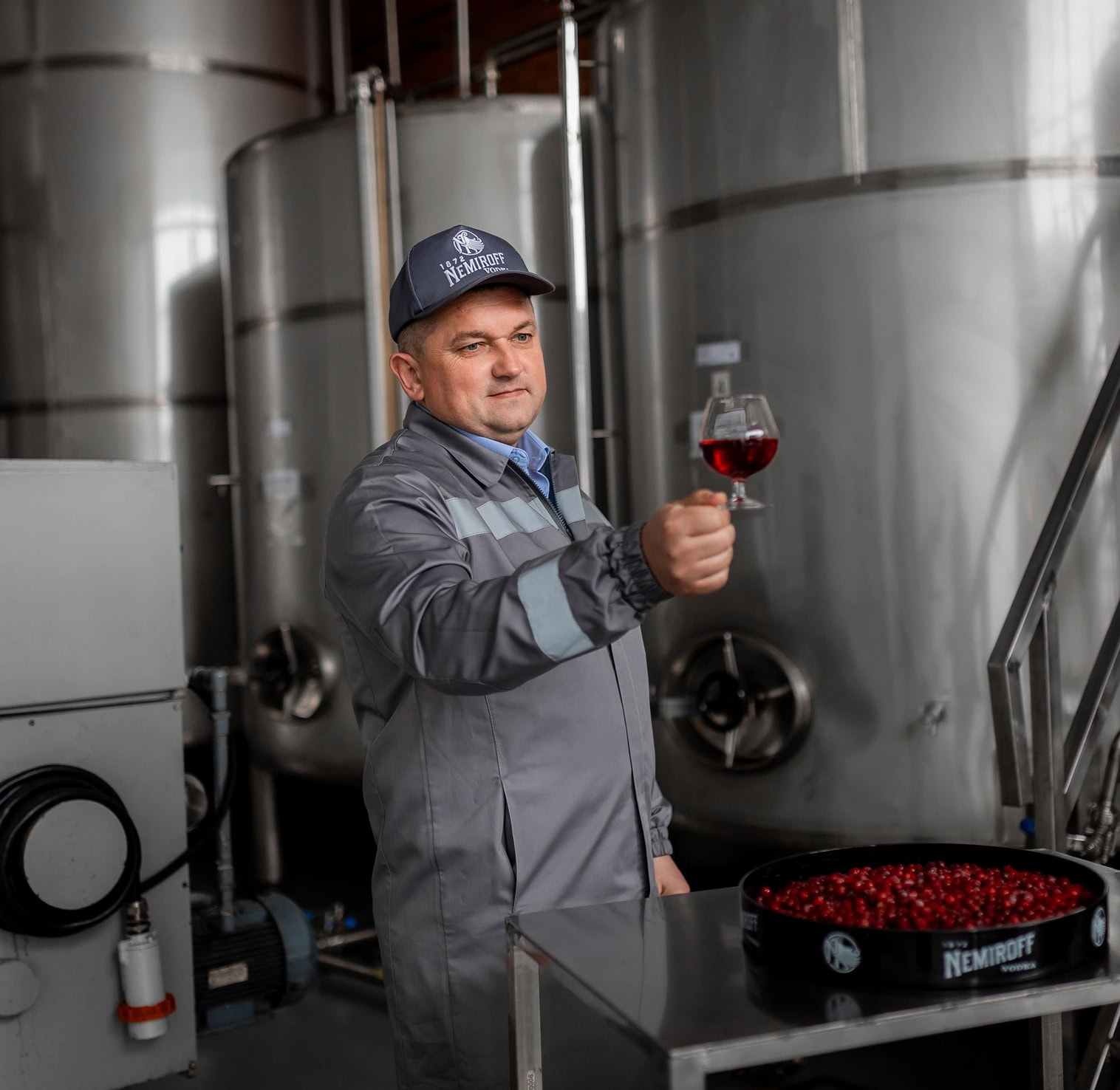

QUALITY, AUDITS AND CERTIFICATIONS: TRUST BUILT ON VERIFICATION
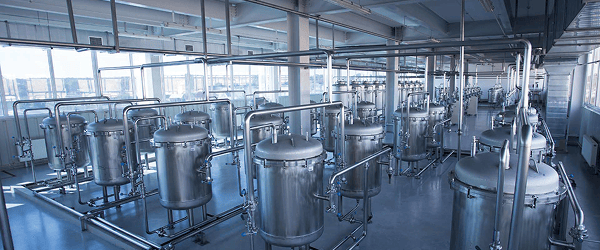
In 2025, Nemiroff’s management systems were confirmed through multiple independent audits and inspections, including:
- ISO 9001 and ISO 22000 surveillance audits;
- FSSC 22000 v.6 surveillance audit by TÜV Cyprus;
- state food safety inspections;
- laboratory accreditation under DSTU ISO 10012:2005 (valid for three years);
- 28 internal audits and 340 “5S + Safety” inspections.
Additionally, eight new beverage products were certified in compliance with national quality and safety standards.
Nemiroff currently holds:
- ISO 9001:2015
- ISO 22000:2019
- FSSC 22000 v.6
Confirming its commitment to consistent quality, food safety and sustainable production.
SUPPLY CHAIN AND PARTNERSHIPS: RESILIENCE IN CHALLENGING TIMES
In 2025, supply chain sustainability focused on logistics safety and reliability. Nemiroff introduced insurance coverage against war-related risks for maritime shipments and adapted international road transport routes to minimize transit time.
Monthly logistics planning with freight forwarders enabled more accurate scheduling, while combined domestic deliveries reduced transport cycles and emissions.
Nemiroff works with suppliers across most non-occupied regions of Ukraine and maintains ongoing dialogue to improve efficiency, quality and innovation across raw materials, packaging and logistics.