Vodka, one of the most popular strong alcoholic beverages, consists of approximately 60% water. This key component is often overlooked by consumers, who focus on the quality of the alcohol and the methods used to purify it. However, the composition of the water and the taste of vodka in the countries where it is produced are closely intertwined, creating subtle but noticeable regional differences.
Can the mineral profile of a source in Ukraine differ from that used in Sweden or the United States, and how does this affect the final product? This article explores regional differences in water used in vodka production. How do its chemical properties shape the unique flavour profile of national brands such as Nemiroff? Our goal is to show that water is not just a solvent, but a fundamental element that determines the character of the drink.
How the taste of vodka varies depending on regional water characteristics
The water in vodka plays an active role in shaping its flavour profile. Minerals contained in water, such as calcium, magnesium, sodium and bicarbonates, interact with alcohol molecules and aromatic compounds. They can emphasise certain notes, smooth out harshness or, conversely, add unwanted bitterness. Thus, differences in the taste of vodka due to the composition of water in different countries are a very real phenomenon.
Geographical characteristics of water composition in different countries
Each region has unique water formed by geological conditions. This directly affects local alcoholic beverages. Here’s what this diversity looks like in key production countries.
Ukraine: natural softness and minerals
In Ukraine, especially in regions with artesian springs, water is often naturally soft and has a balanced mineral composition. This means it contains small amounts of calcium and magnesium salts. Such water is ideal for creating pure and soft vodka, as it does not mask the main flavour and allows the nuances of the grain base to unfold.
It is precisely this composition of water that traditionally contributes to the formation of the classic Ukrainian profile that distinguishes Nemiroff products — with a smooth, rounded taste without mineral sharpness.
Europe: diversity of mineral composition
The situation in Europe is much more diverse. For example:
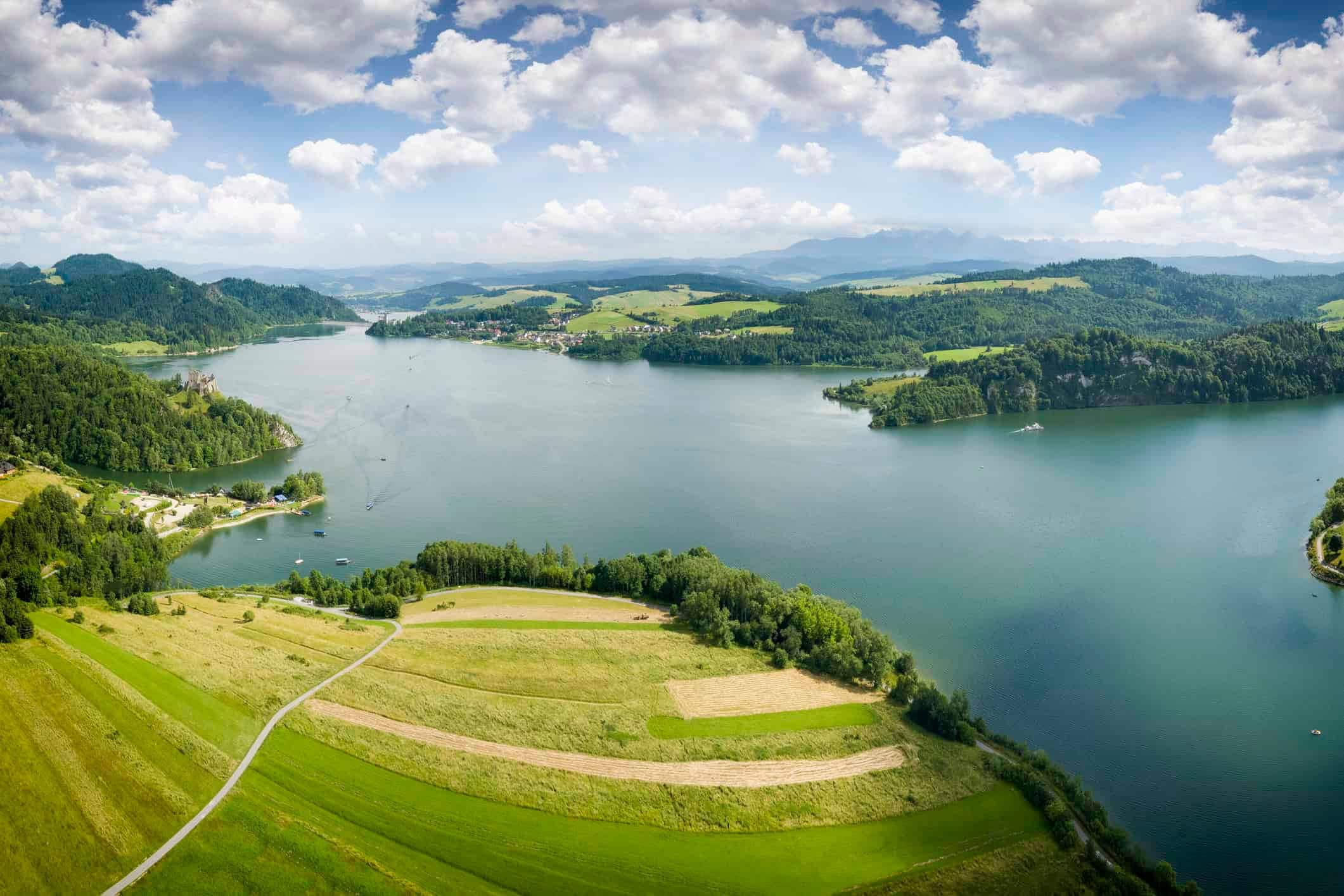
– In Scandinavian countries, very soft water from glacial sources is often used, giving the drink exceptional purity.
– In some regions of Central Europe, the water can be harder due to its high limestone content.
This role of water in vodka production in different countries of Europe means that even with the same technology, vodka can have a completely distinct character.
USA: hardness and specificity of water
In the United States, water often has high hardness, especially in the central and southern regions. It affects the taste of vodka, making it more pronounced, sometimes with a slight mineral or chlorine taste. Therefore, American manufacturers actively use more powerful filtration and water softening systems before mixing with alcohol.
Vodka production and water in different regions of the United States is an example of how technology compensates for natural characteristics to achieve the desired taste.
How water purification changes taste properties
Modern production does not always rely solely on natural water. Most major brands subject water to various treatment methods to achieve a stable and desirable result. It helps preserve beneficial properties and remove anything that could introduce unwanted flavours or alter the balance.
The role of mineral composition after processing
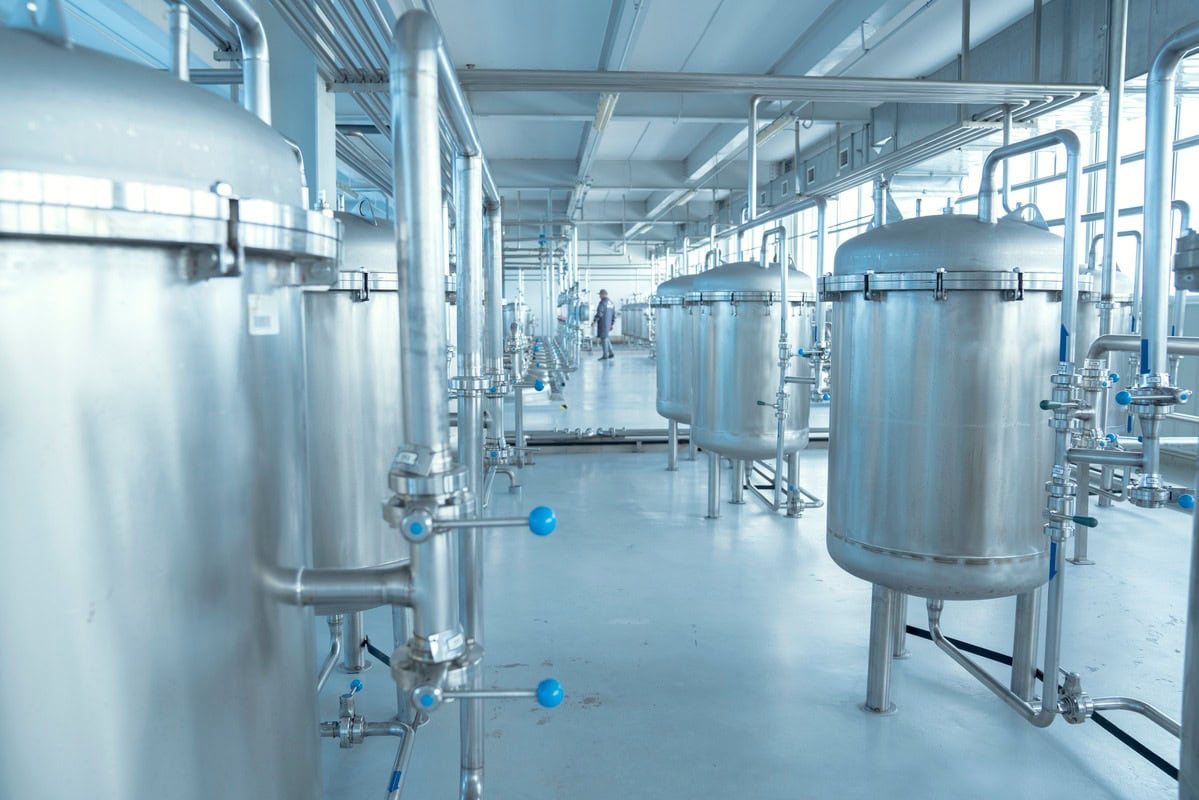
The main purpose of purification is to remove all foreign impurities, organic substances and hardness salts from the water. The most common methods include carbon filtration, reverse osmosis and ion exchange. For example, the Nemiroff production process involves the additional use of silver, platinum and amber.
If the water is too hard, it is demineralised to an almost distilled state and then artificially supplemented with the minimum amount of minerals necessary to achieve the ideal balance for blending with alcohol. This control over the mineral composition allows producers to guarantee a consistent and smooth taste regardless of the original source.
The impact of temperature during water preparation
When studying the effect of water on vodka in different countries, one should not forget about its optimal temperature, which also plays a significant role. Cold water ensures a more precise combination with alcohol and a cleaner profile. Warmer water can upset the balance, which is why modern producers strictly control temperature conditions.
Regional differences in water used in vodka production
Water, as the basis of vodka, has not only physical and chemical characteristics, but also geographical uniqueness. Its composition is influenced by local rocks, climate, depth of the source, and the method of water intake. It is these regional features that determine what water producers use — and how it affects the taste of the finished product.
For example, in northern regions, the water is soft and has a low mineral content. Therefore, the vodka is more neutral, with a smooth texture. In central and southern regions, the water is often harder — and the drink may have a denser taste and light mineral notes.
It is also important how the water gets to the production facility: from surface sources, artesian wells or through a centralised water supply. These differences are not always obvious to the consumer, but they shape the profile of the drink. That is why the influence of water composition on the taste of vodka in different countries is not only a question of technology, but also of geography, which is embedded in every drop.
Conclusion
The quality of vodka and the composition of water around the world are interrelated factors. After all, water is not just an ingredient in the recipe, but its flavour base, which shapes the character of the drink even before it goes into the bottle. The source, mineralisation, hardness and processing method determine whether the vodka will be soft, neutral, dense or with subtle mineral notes.
That is why the influence of water composition on the taste properties of vodka is not an abstract topic, but a practical question of quality. Regional differences in water, climate and technology create unique profiles even within the same brand. Understanding these nuances helps not only producers but also consumers to choose not just vodka, but a product that conveys authenticity, experience and attention to detail.