


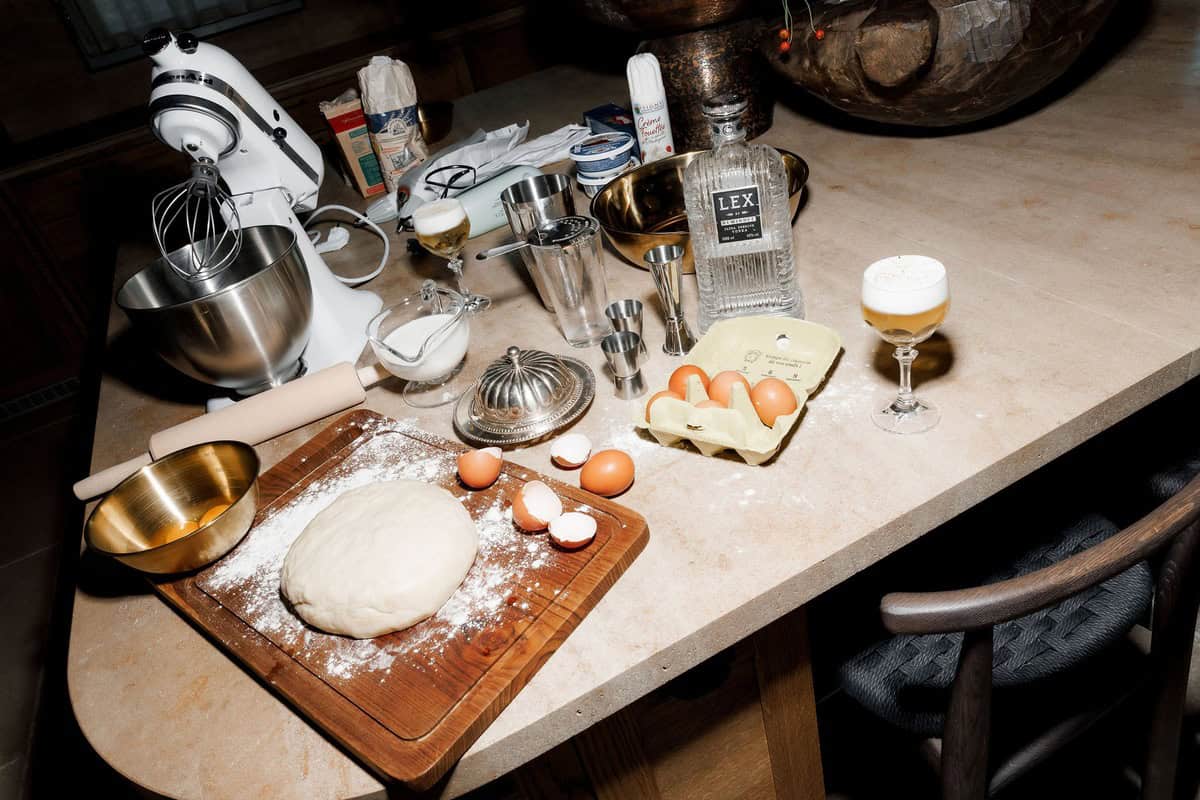
Cooking with Vodka: How to Incorporate Nemiroff in the Kitchen
Cooking is a huge field for experimentation. The search for the perfect ingredient may end not on the shelf with spices, but in the home bar. The use of vodka in cooking has long moved from professional kitchens to everyday home recipes.
In UK gastronomic practice, vodka is often used to work with flavours and textures in sauces and marinades for fish and seafood. Thanks to the wide variety of products in the Nemiroff Vodka Collection and its proven quality, it is easy to create culinary masterpieces without effort or professional experience.
Why Vodka Is Used in Cooking
The main reason why Nemiroff vodka in cooking comes into its own is because of the chemical properties of ethanol. High-quality vodka has a virtually neutral profile. It acts as a kind of solvent for aromatic compounds.
How does it work? Most flavour molecules dissolve only in alcohol, not in water or fat. Therefore, by adding just a little alcohol, you can “unlock” ingredients that would otherwise remain muted.
In addition, cooking with Nemiroff affects the physical properties of foods:
– Prevents excessive gluten formation in dough
– Tenderises meat
– Helps create delicate emulsions in sauces
How to Use Vodka in Cooking
There are countless ways to bring vodka into your cooking, from simple desserts to complex meat dishes. British chefs often use vodka for flambéing, in homemade tinctures for baking, and even when salting salmon. It is important to keep in mind that moderation and knowledge of when to add the drink during cooking are key.
Vodka in Sauces and Cream-Based Dishes
Cooking with Nemiroff vodka is a technique used to create complex sauces with the perfect texture. Alcohol extracts aromatic compounds from fatty foods (oil, cream) as well as tomatoes and other acidic ingredients. The result is a bright and harmonious flavour.
In addition, vodka helps to emulsify the sauce. It prevents it from separating and makes the consistency smooth and velvety.
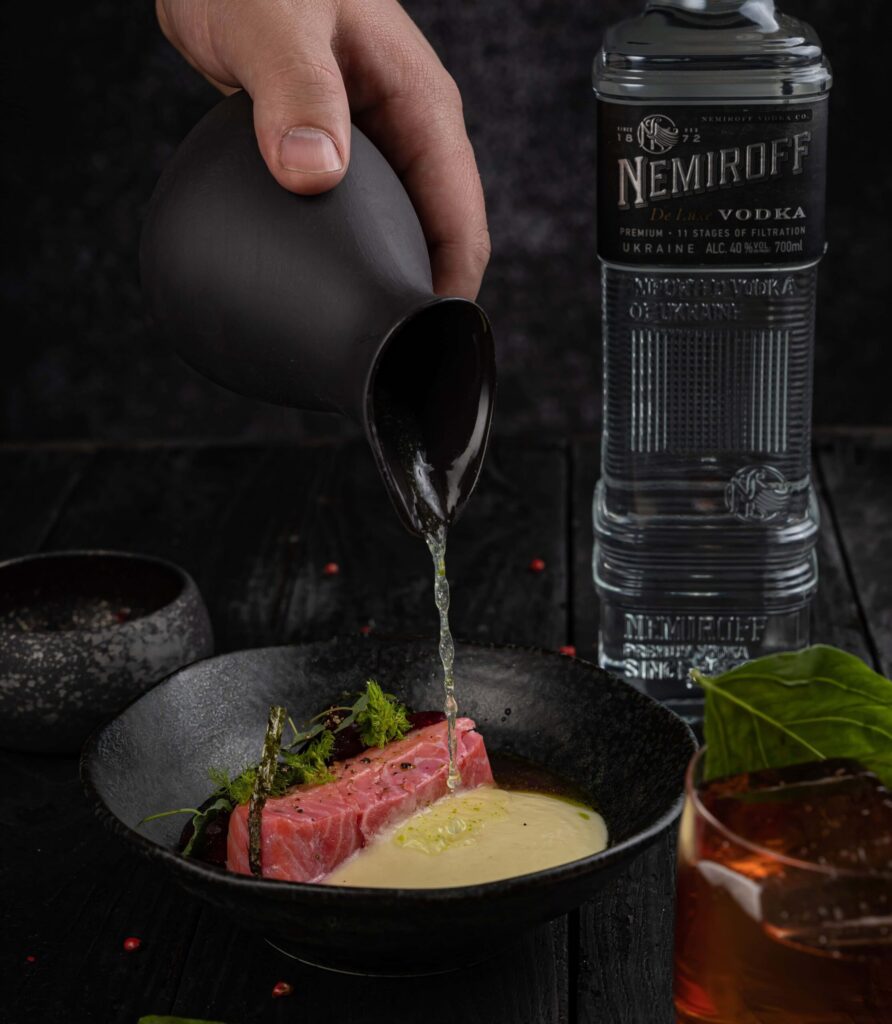
Here are a few classic options where Nemiroff vodka works perfectly:
– Tomato and cream sauce for pasta (Penne alla Vodka). It is the most well-known example. When vodka is added to tomato paste, it instantly reveals its deep fruity flavour and caramel notes. At the same time, it removes excess acidity.
– A sauce based on butter and citrus fruits. Alcohol has properties that help to “extract” essential oils from the zest and combine them with fat. This creates an intense citrus aroma.
– Quick deglazing sauce for meat. After frying a steak or chicken fillet, pour a little vodka into the pan to deglaze the juicy caramelised bottom.
– Cold sauces and dressings. Using Nemiroff vodka when cooking cream and dill sauce with lightly salted fish or in a citrus salad dressing will prevent the sauce from becoming “sticky” in the refrigerator, preserving its fresh texture and aroma.
Using Nemiroff vodka for cooking sauces is a technique for achieving a balanced dish and texture with minimal effort.
Vodka in Marinades for Meat and Seafood
Marinades are another area where Nemiroff vodka cooking is the ideal solution. Thanks to its properties, the alcohol penetrates deep into the fibres of meat or fish, delivering spices and herbs there:
– For fish – vodka helps to remove the specific pungent smell of seafood.
– For meat – it helps to break down tough fibres, which is especially useful for beef.
– For seafood – vodka gives shrimp or scallops a slight shine and purity of taste.
At the same time, unlike wine or beer, Nemiroff pure alcohol does not impart its own distinct flavour, but only emphasises the natural taste of the product.
What Makes Nemiroff Vodka Suitable for Cooking
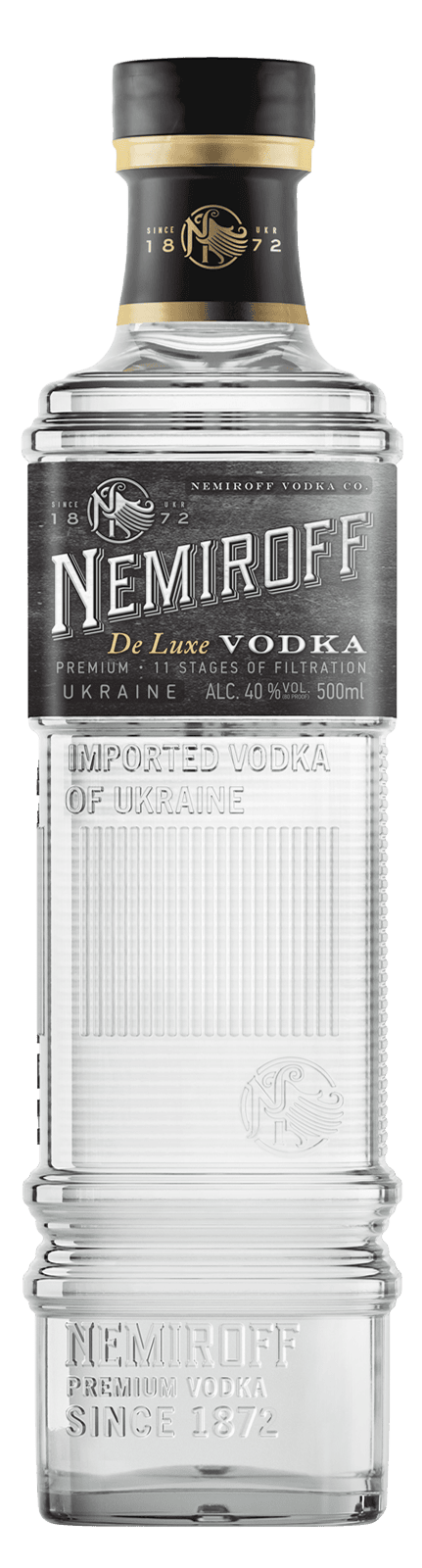
The choice of brand is crucial. Nemiroff vodka kitchen uses is a guarantee that you are using a highly purified product. It is made from natural artesian water and “Lux” class alcohol, which undergoes multi-stage filtration. It means that no foreign impurities or strong odours will get into your dish and spoil the delicate taste of the ingredients.
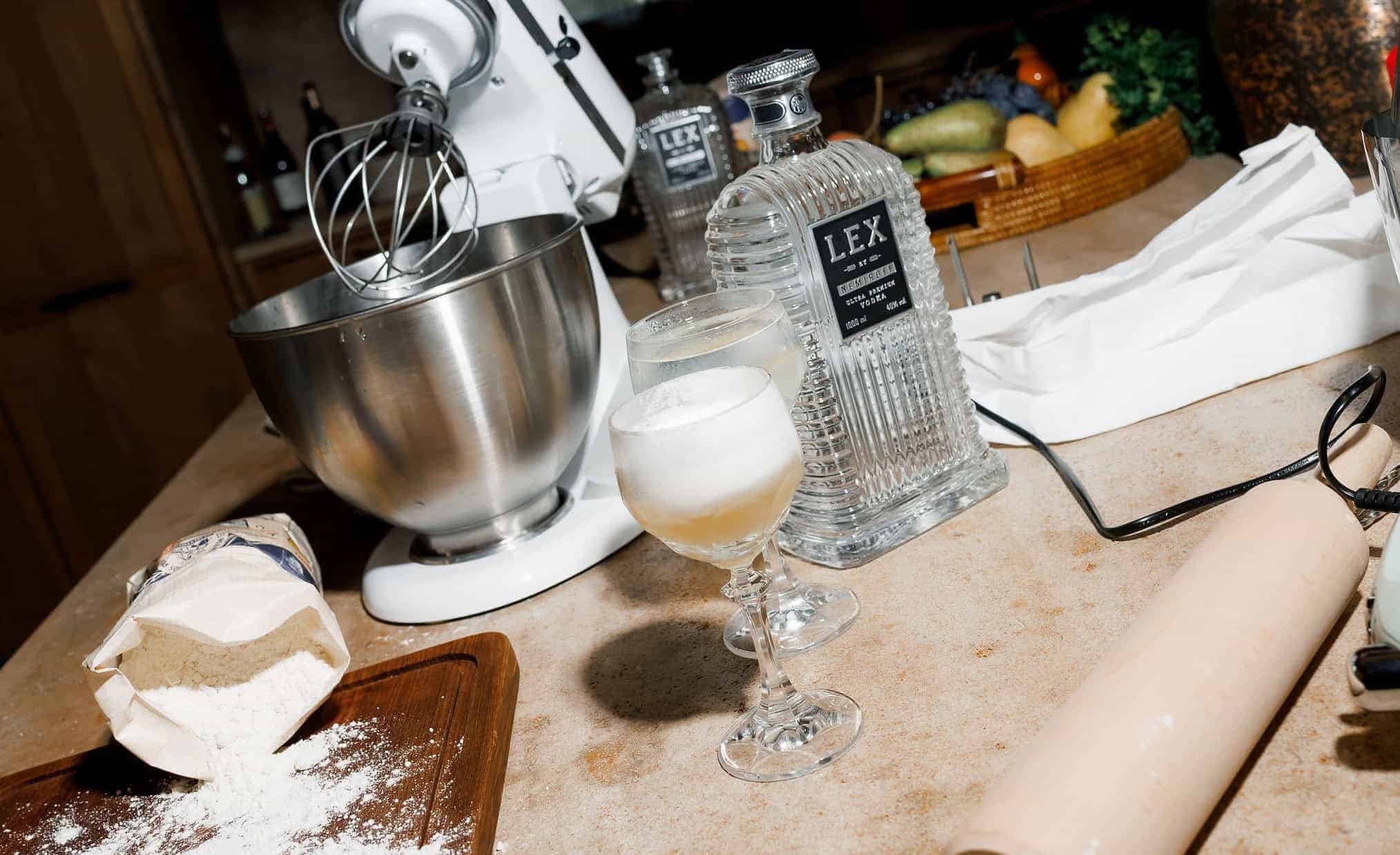


How Vodka Affects Flavour, Texture and Aroma
Vodka is a unique culinary tool based on its physical and chemical properties. Its effects can be divided into three levels:
– Flavour. Alcohol releases flavour and aroma notes that cannot be dissolved by water or fat. This intensifies and combines flavours, making the dish more rounded and pronounced.
– Texture. In baking, vodka reduces the formation of gluten. This gives the dough, especially shortcrust pastry, the perfect crumbly texture and tenderness.
– Aroma. As it heats up, alcohol carries aromatic molecules. The smell of the dish becomes more appetising.
That’s why vodka is your secret ingredient. It’s used by those who want to achieve professional quality in their home kitchen.
Does Alcohol Cook Out During Cooking?
Many people wonder: does alcohol cook out completely during heat treatment? The residual amount depends on the method and duration of cooking:
| Cooking method | Alcohol remaining |
| Flambéing | ~75% |
| Added to boiling liquid, removed from heat | ~70% |
| Baked or stewed for 15 minutes | ~40% |
| Simmered for over 2.5 hours | ~5% |
It is important to take this information into account if you are cooking for people who completely avoid alcohol.
How Much Vodka to Use in Cooking
The golden rule is moderation. Vodka should be a supporting ingredient, not the dominant flavour.
| Use case | Recommended amount |
| Sauce (serves 4) | 2–3 tablespoons |
| Marinade | 50–100 ml per 1 kg of product |
| Baking | 1–2 tablespoons (per recipe) |
Common Mistakes When Cooking with Vodka
Even experienced chefs can make mistakes. Most often, they are related to:
– Using cheap vodka – poor purification will give an unpleasant chemical taste. Choose the trusted Nemiroff brand.
– Adding it too late – if you pour vodka into cold sauce at the very end, you will taste the sharpness of the alcohol.
– Ignoring safety rules – when flambéing, always keep a lid handy to extinguish the flames in time.
Proper use of Nemiroff in cocktails and cooking requires attention to detail, but the result is always worth the effort.
You may also like



FAQ
Vodka helps dissolve and release certain aromatic compounds that may not fully develop in water or fat alone. During heating, some of the alcohol evaporates, allowing the flavours and aromas of the other ingredients to become more pronounced.
Classic vodka has a relatively neutral taste, so it can enhance other ingredients without overpowering them. It is added to sauces and marinades to intensify flavour, and to certain types of dough to create a lighter, more tender and flaky texture.
No, not always. The amount of alcohol left in a dish depends on the temperature, cooking time, method of preparation and size of the cookware. Even after prolonged heating, a small amount of alcohol may remain, so dishes prepared with vodka should not automatically be considered alcohol-free.
Yes, classic Nemiroff vodka is suitable for sauces, marinades and certain baked goods thanks to its clean, balanced taste. Flavoured products can also be used, but their distinctive flavour and aroma should be taken into account, as they will influence the final dish.
The amount depends on the recipe. In most cases, a small quantity — from one to several tablespoons — is enough. Vodka should subtly enhance the flavour of the dish rather than dominate it.