Taste is an illusion generated by our brain. When you drink a cocktail, only 20% of the sensations is actually taste (sweet, sour, bitter, salty, umami). The remaining 80% is an aroma, which shapes the character and complexity of the drink. This means that only one-fifth of the drink is actually taste. Therefore, the psychology of taste perception is the art of controlling aromas. We will reveal the science behind this process and, based on our experience, show you how to apply this knowledge in practice to control this illusion.
The anatomy of pleasure: retronasal smell and why we lose our sense of taste when we have a cold
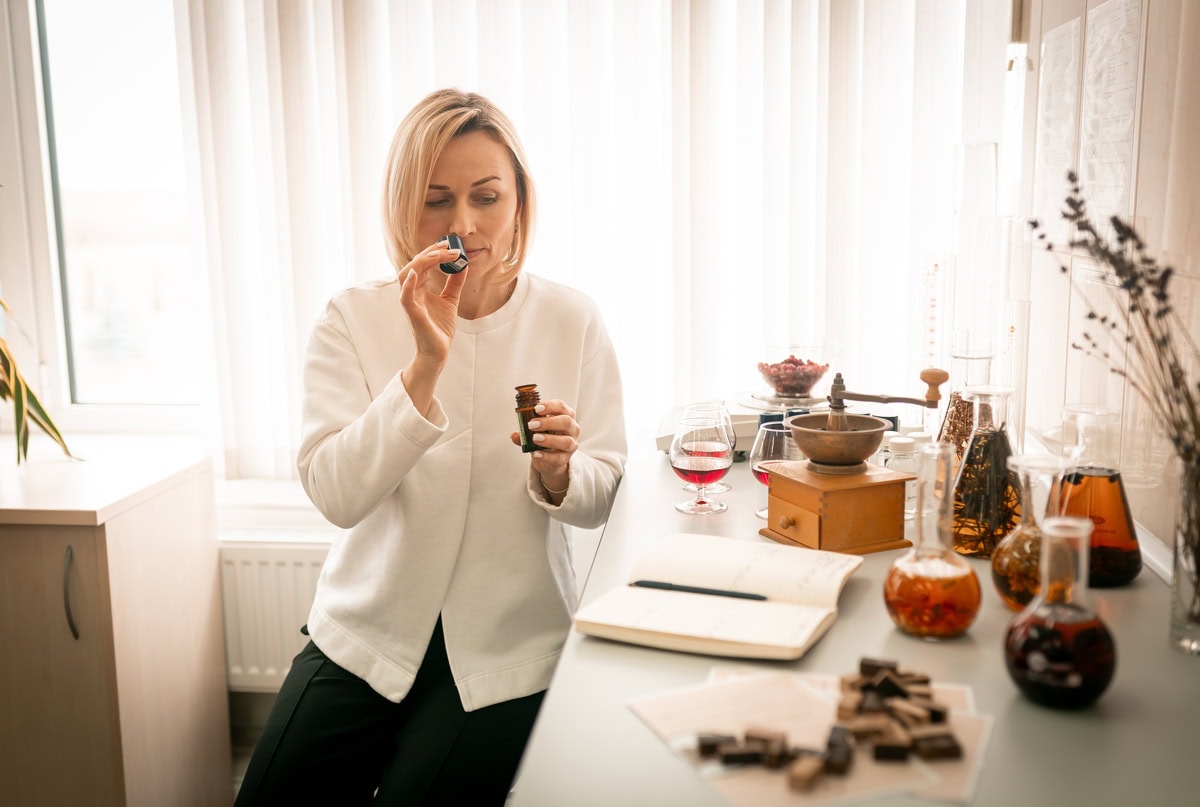
To understand why smell and taste are related, we need to delve into biology. The key phenomenon iis what is known as retronasal smell. When you swallow, aromatic molecules rise from the oral cavity through the nasopharynx directly to the olfactory receptors. This internal pathway provides most of our taste sensation, making aroma the main actor. That is why we cannot taste anything when we have a cold; it is because of the swelling of the mucous membrane, which blocks this channel, and the aroma does not reach its destination. Understanding how the olfactory system works is the first step towards consciously controlling what we taste.
Three levers of control: temperature, glass and garnish
Mixologists control aroma using three key factors that you can use at home to experience the difference.
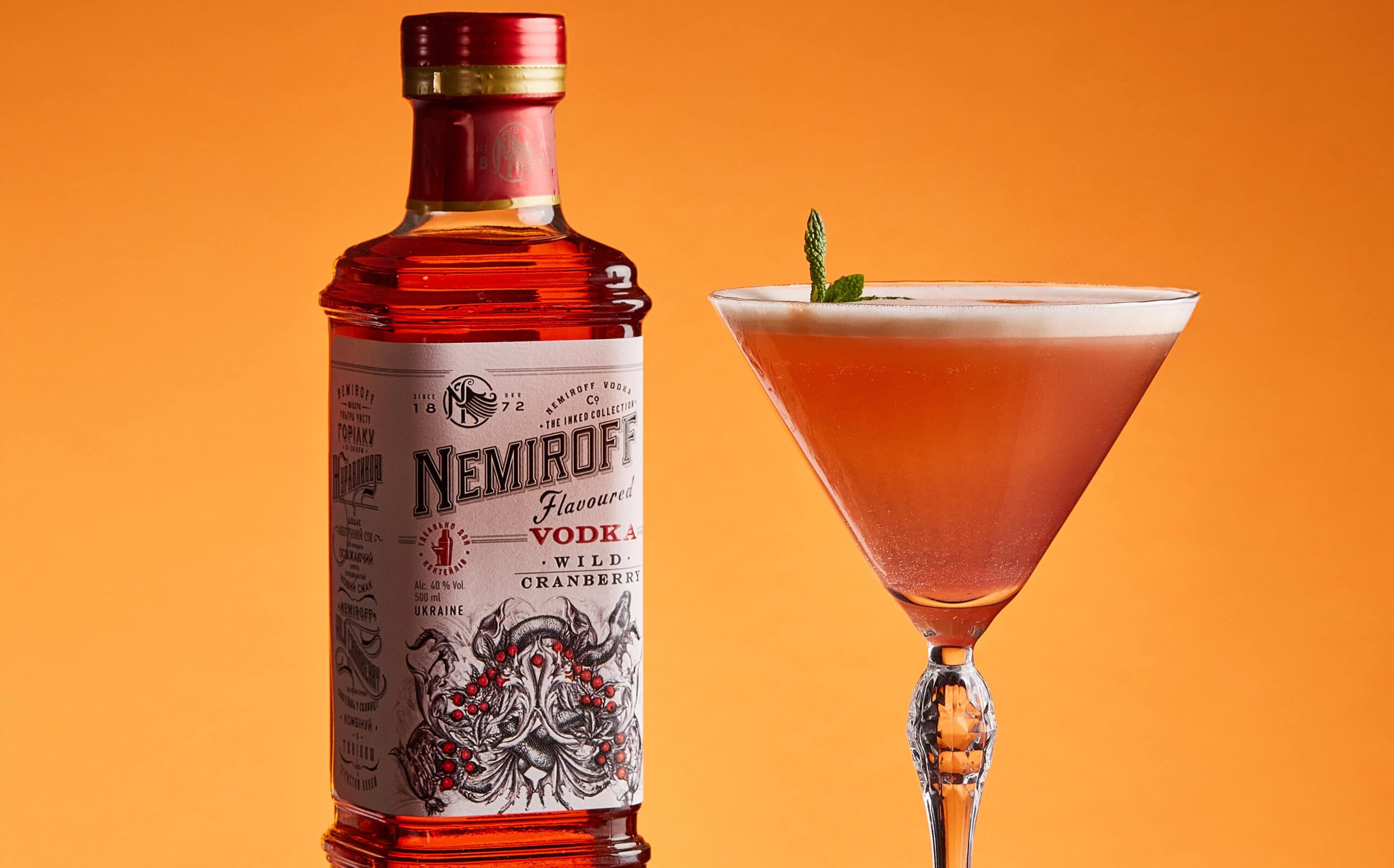
1. Temperature. The temperature and aroma of a cocktail are closely related. Cold muffles volatile compounds, while heat, on the contrary, enhances them. For example, Honey Pepper Butter Punch, based on Nemiroff De Luxe Honey Pepper, is served hot (up to 65°C), which allows the full depth of the spicy notes of cinnamon, caramel and apple to unfold. Meanwhile, an ice-cold Cranberry & Tonic with Nemiroff Wild Cranberry makes the berry aroma bright and refreshing. The question of how to improve the aroma of a cocktail often has one answer: choose the right serving temperature.
2. Glass. The shape of the glass is an acoustic system for aroma. The narrow Martini glass for Nemiroff Vodka Martini concentrates the citrus and floral notes of vermouth right under the nose. The wide Old-fashioned glass for the Honey Apple cocktail allows the complex aromas of apple, almond and pepper to ‘breathe’ freely and gradually unfold.
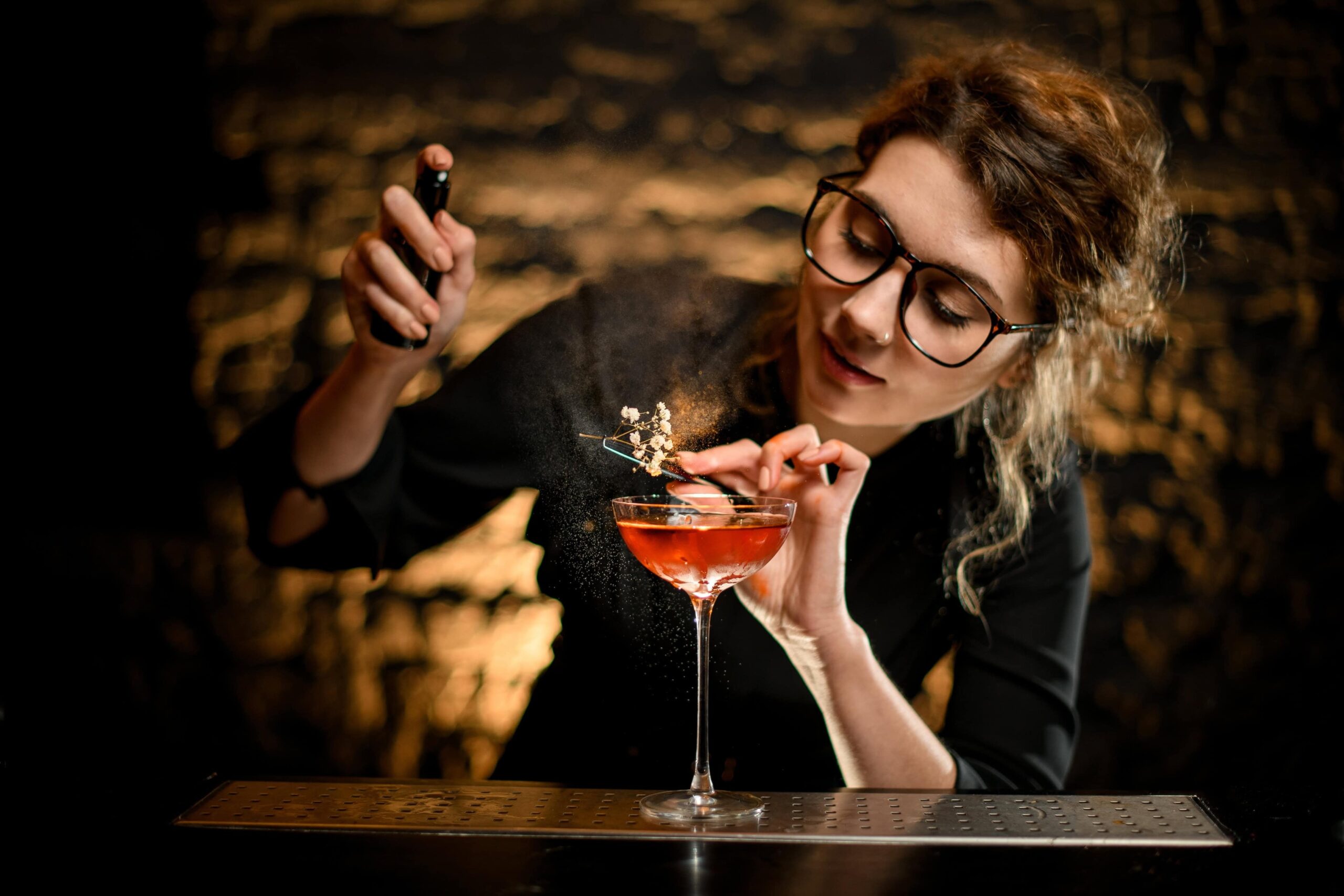
3. Garnish. The role of the garnish when serving a cocktail creates the first and most important aromatic illusion. The crushed zest that decorates the Nemiroff Bold Orange-based Kyiv Sour gives a burst of citrus essential oils before the first sip, tuning the receptors, while the smoky bacon strip in the Honey Pepper Mary instantly creates an expectation of salty, smoky and spicy notes.
The purity of Nemiroff: a canvas for the perfect aroma
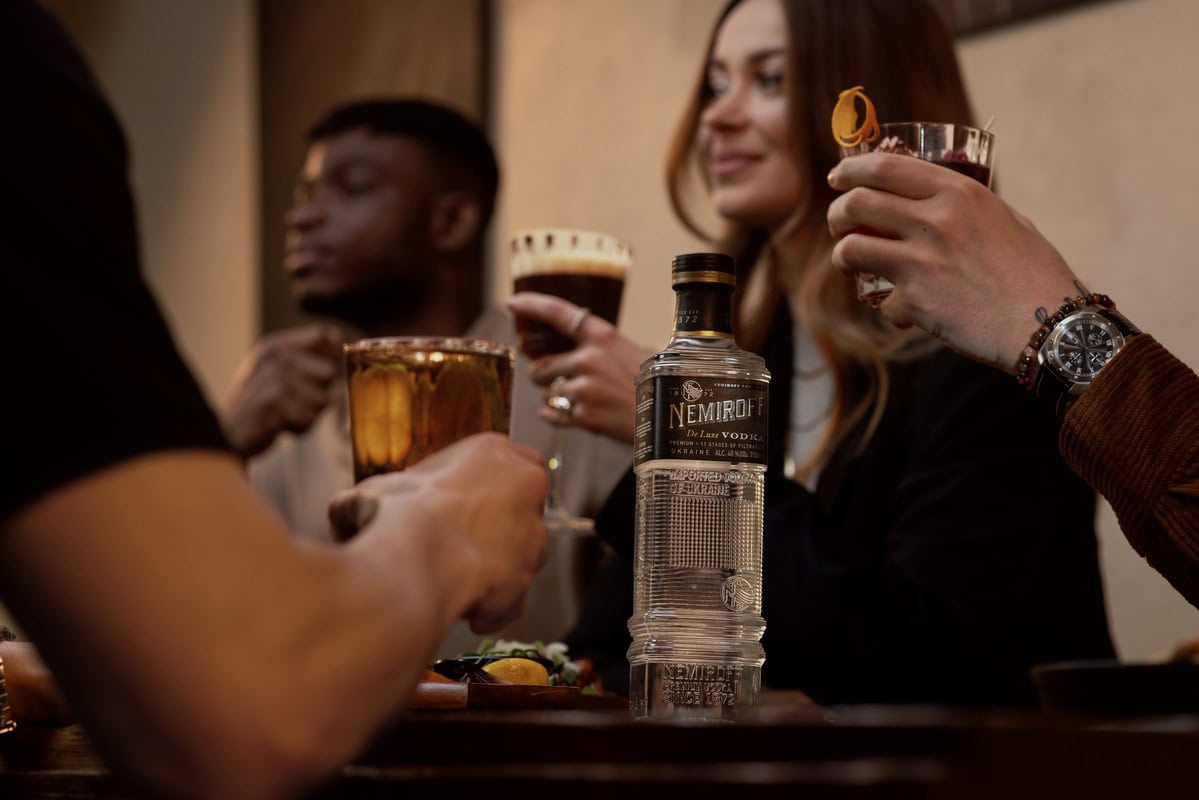
Any sophisticated garnish is useless if the base has a sharp or unpleasant smell. The base should be a clean, neutral platform. Which vodka has an aroma worthy of becoming such a canvas? The answer is quite simple: the one that offers crystal purity, such as Nemiroff products. The classic Nemiroff De Luxe, which undergoes 11 stages of filtration, has a light, clean aroma with subtle notes of honey and linden; it does not compete with the ingredients, but only emphasises them, allowing you to conduct your own sensory analysis of the drinks and clearly distinguish each component in the cocktail.
The art of enjoyment: how our brain ‘imagines’ taste
The psychology of taste perception is the science of context. Our brain constantly interprets signals based on previous experience. For example, the Reserve Espresso Martini cocktail based on Nemiroff De Luxe Reserve offers a multi-layered experience. The smoothness of oak-aged vodka is combined with rich espresso and coffee liqueur. The garnish of three coffee beans on thick foam provides the first intense coffee aroma. Upon receiving this signal, the brain ‘spreads’ the coffee notes throughout the entire subsequent taste journey, intensifying the sensation. Try drinking this cocktail while pinching your nose, and you will see how ‘flat’ it becomes.
Summary
The taste of a cocktail can be compared to a controlled illusion born at the intersection of aroma, texture and psychology. Control depends on understanding the retronasal sense of smell and the ability to control three levers: temperature, glassware and garnish. Experiment with these elements to discover new facets of your favourite drinks. Try diversifying your cocktail recipes, for example, serve Ukrainian Mule in different glasses or change the garnish for Bold Boy. But always remember: any experiment starts with a high-quality, clean base that helps the aroma unfold.