
When a customer picks up a bottle with an unusual flavour from the shelf, they rarely stop to think about how many people worked on that drink and how much time went into creating it. Yet behind every such decision lie technical calculations, dozens of test samples, the rejection of unsuccessful combinations, and precise calculations of proportions.
How do new vodka flavours come about, and how long does development take? Why do some combinations become widely popular and enjoy sustained demand, while others fail to gain acceptance? Let’s take a look at the entire cycle of creating new vodka flavours. In this overview you’ll get to know the path, from the seed of an idea all the way to when the product finally lands on the market. You’ll also discover what technologies are used in production, what role experts play, and how global trends influence flavour choices.
The origins of new vodka flavours
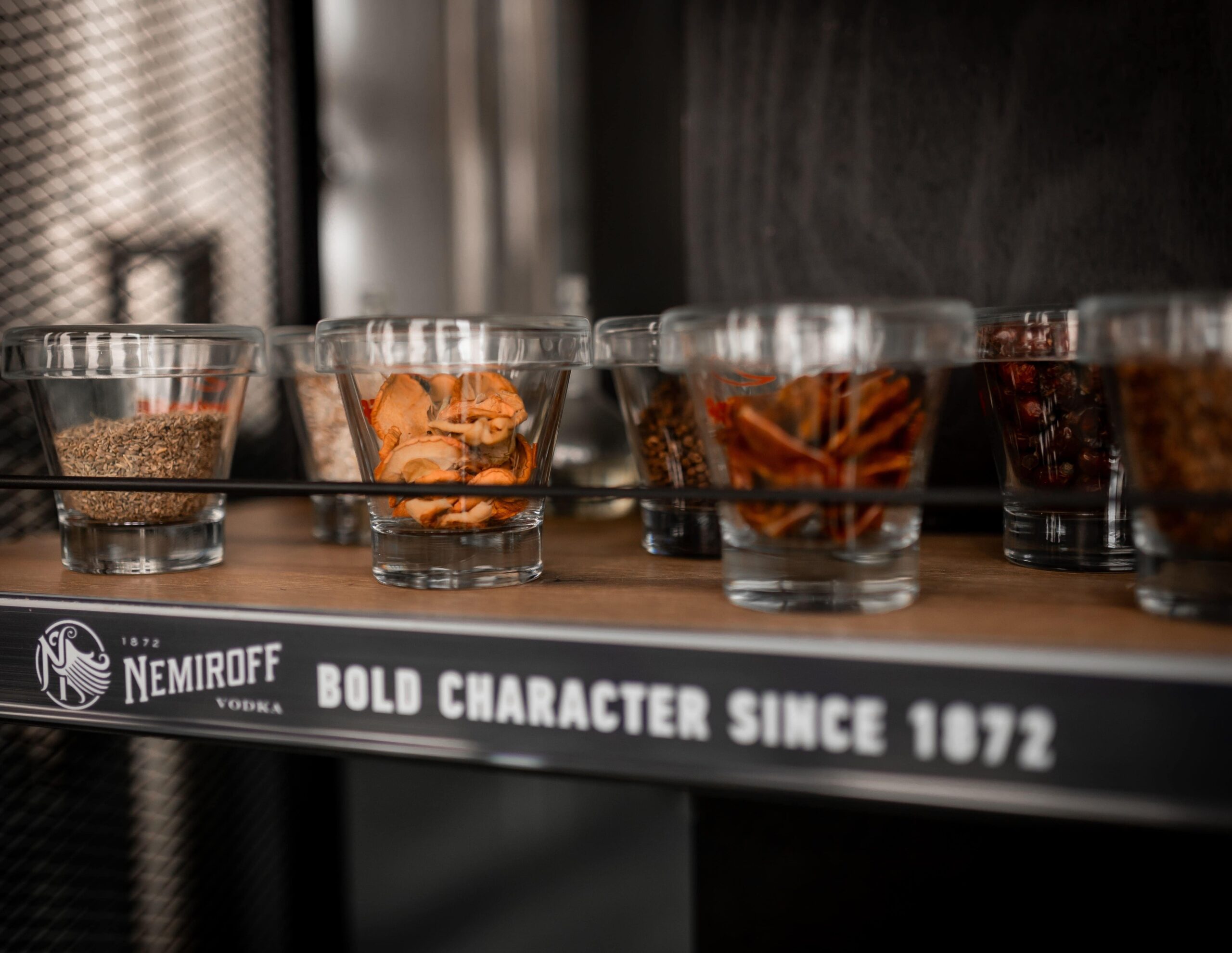
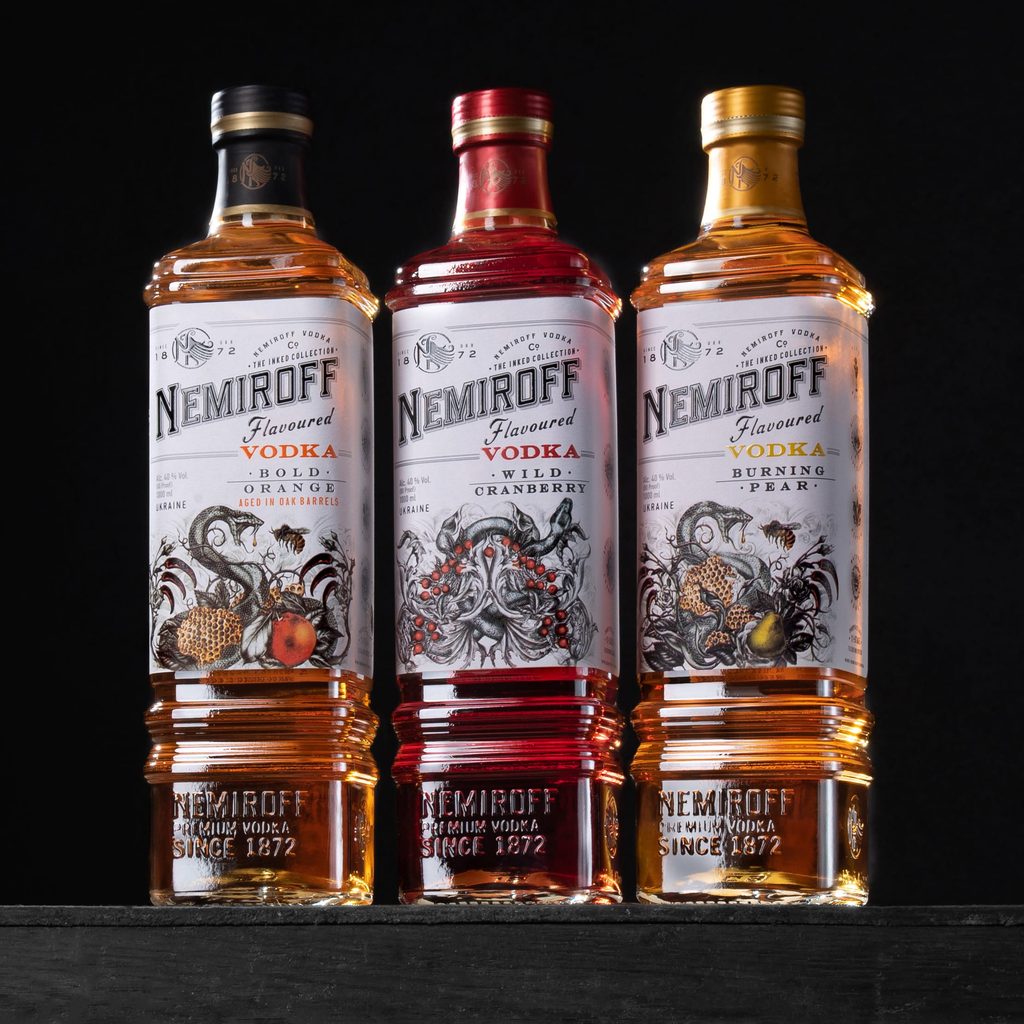
Ideas for new flavor combinations are drawn from the range of natural resources available. In addition, current market demand is taken into account. The origins of new vodka flavors are often tied to local ingredients and old culinary recipes. Like, the Nemiroff brand actively uses cranberries, honey, pepper, and herbs, drawing on the region’s long-standing traditions.
Culinary trends serve as another source of inspiration. For instance, dishes with a smoky flavour or fermented vegetables are becoming popular in restaurants. Soon, these flavours can also be experienced in a glass. The creation of new blends begins precisely with an analysis of what currently interests consumers.
The main sources of inspiration for developers include:
– seasonal produce: berries in the summer, citrus fruits in the winter, spices in autumn.
– regional specialities: local herbs, fruits, and vegetables.
– global trends: Asian spices, tropical fruits, Scandinavian berries.
– historical recipes: traditional methods of infusion and fermentation.
The technology behind vodka flavouring
The physical incorporation of aroma requires a precise understanding of the liquid’s chemistry. The technology for creating vodka flavours is based on the method of infusing natural raw materials. Engineers load the ingredients into tanks, where alcohol acts as the ideal extractant.
It’s important to steer clear of artificial flavorings. Natural essential oils and extracts provide a complex, multi-layered flavour profile. This is precisely the approach adopted by Nemiroff, ensuring consistent quality in every bottle.
Key stages of the production process:
– Raw Material Preparation. Thorough cleaning, sorting, and grinding of ingredients.
– Extraction. Infusing with alcohol of a specific strength and ageing at a controlled temperature.
– Filtration. Removing solid particles through multi-stage filters.
– Blending. Mixing the extract with the base spirit until the perfect balance is achieved.
– Quality control. Laboratory tests to ensure compliance with standards.
The temperature at which the infusion happens matters a lot. Cold maceration takes longer, but it helps to preserve those delicate aromatic compounds. The hot method goes quicker, but there is a risk of losing volatile essential oils. Technologists choose the method that suits the type of raw material and the desired profile of the final product.
The stages involved in developing new vodka flavours
The journey from concept to store shelf takes many months. The process of developing vodka flavours begins in the laboratory. A detailed plan includes:
– Market research. Analysis of consumer demand, competitors, and price segments.
– Laboratory experiments. Creation of dozens of prototypes with different proportions.
– In-house tastings. A team of technologists selects the best options.
– Focus groups. Tastings by real consumers to gather feedback.
– Recipe adjustments. Making changes based on the feedback received.
– Industrial production. Launching a batch for test sales.
Technologists create dozens of micro-batches, fine-tuning the perfect proportions of the ingredients.
The next step is upscaling. The recipe is transferred to large vats, where it is vital to maintain the precision of the laboratory sample. The process is finalised by a tasting panel. The development of new vodka flavours is only approved once the product has passed blind tests and received approval from independent experts.

The Process of Developing Vodka Flavors
The role of experts in creating new vodka flavours
A single engineer cannot create the perfect product. An entire team is involved in this process. Process engineers are responsible for consistency, while sommeliers evaluate the drink’s gastronomic potential.
Consultant bartenders provide guidance on how to develop vodka flavours, taking into account how they will behave in cocktails. They test samples with various mixers, juices, and tonics. This comprehensive approach ensures that the drink will be enjoyable both neat and in complex mixes.
Key roles in the development team:
– Technologists. They are responsible for the chemical stability and safety of the product, and also act as a link that receives all feedback from consumers and implements it.
– Tasters. Assess the aroma, taste, texture, and aftertaste.
– Bartenders. Test how the beverage behaves in various cocktails.
– Marketers. Analyse the market and the product’s positioning.
Each expert approaches the product from their own perspective. This helps to avoid a one-sided view and creates a well-balanced beverage.
Flavours of vodka for cocktails
The range of flavoured spirits is often tailored to the needs of mixology. Citrus and berry varieties are ideal for light cocktails. Spicy and herbal notes come through best in complex signature recipes.
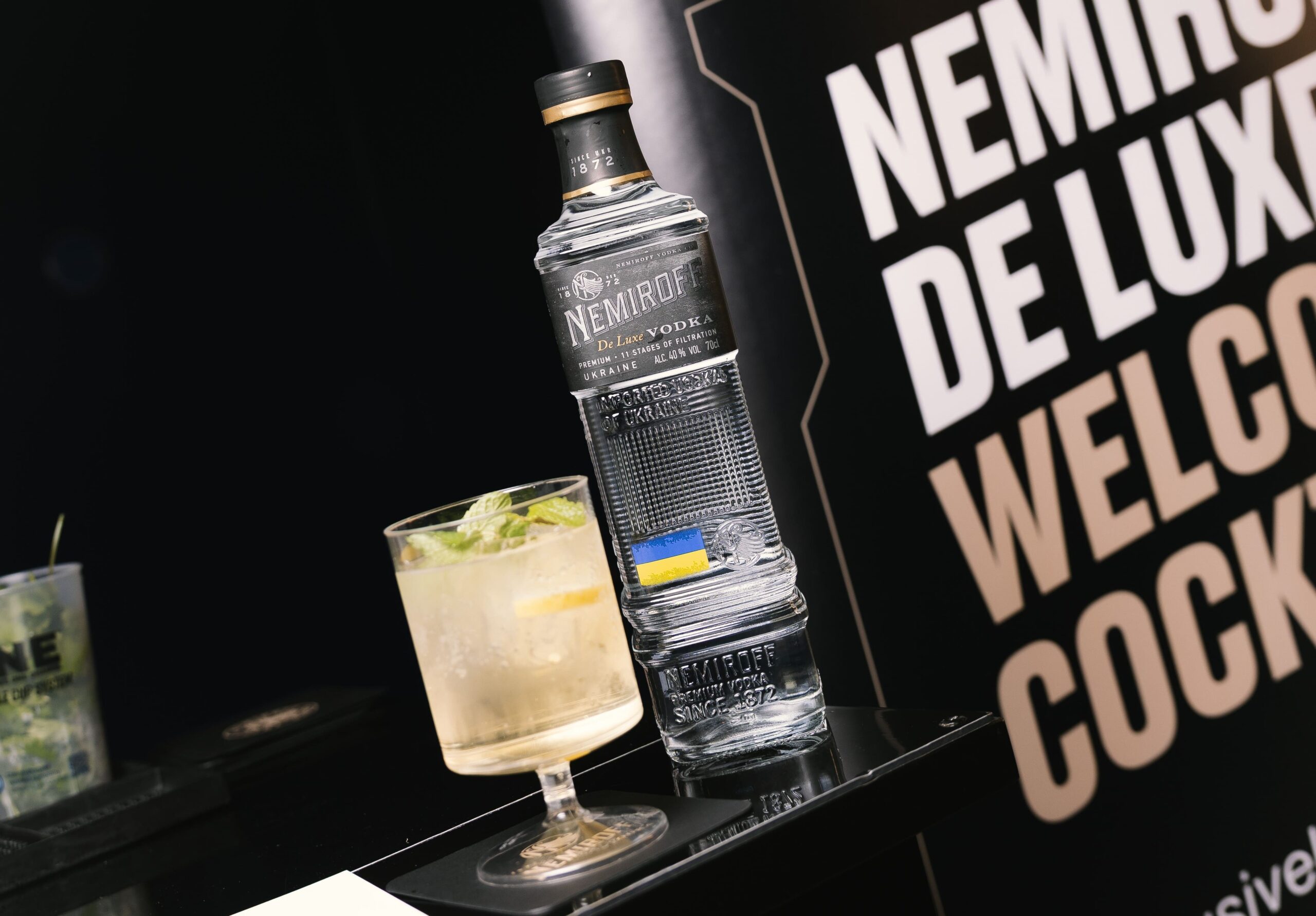
You can learn more about how to use different flavour profiles by exploring the Nemiroff products. A well-chosen flavour base saves the bartender time and reduces the number of ingredients needed in a glass. This makes the preparation process faster and more precise.
The most popular flavour categories for bars:
– Citrus fruits. Lemon, lime, orange, grapefruit – a versatile base for most cocktails.
– Berries. Cranberries, strawberries, raspberries – they add vibrant color and natural sweetness.
– Tropical fruits. Mango, passion fruit, and pineapple create an exotic vibe in summer drinks.
– Spices. Pepper, ginger, and cinnamon add character and a warming effect.
Bartenders are best advised to have a drink from each of these categories in their arsenal; this will enable them to meet 90 per cent of guests’ requests.

The Origins of New Vodka Flavors
New vodka flavours in line with global trends
The global market is driving a trend toward botanical and floral profiles. Consumers are opting for lightness and naturalness. Heavy liqueurs are being replaced by dry, herbaceous blends with a barely perceptible bitterness.
Current trends:
– Zero Sugar. Minimal sugar content or completely sugar-free.
– Low ABV. Lower alcohol content for prolonged consumption without rapid intoxication.
– Sustainable production. Eco-friendly packaging and locally sourced ingredients.
– Unexpected combinations. Combinations of ingredients that seem incompatible at first glance.
There is also growing demand for new vodka flavours featuring exotic combinations, such as tropical fruits paired with hot peppers. More information about the brand’s approach to innovation can be found on the official Nemiroff website. The company constantly monitors these changes to stay on top of current trends.
Conclusions: the origins and development of new vodka flavours
The creation of each new flavour is the result of the painstaking work of our technologists and close collaboration with the bar community. From the selection of natural raw materials to the final tasting test, there is a long process of quality control. Understanding this process helps consumers appreciate the complexity and uniqueness of every sip. After all, the future of the vodka industry lies in natural ingredients and gastronomic precision.
Key principles of successful development:
– Use of only natural ingredients without artificial additives.
– Multi-level quality control at every stage of production.
– Constant monitoring of market trends and consumer demands.
– Close collaboration with the professional bartending community.
– Willingness to experiment and take risks.
It is precisely this approach that enables the Nemiroff brand to create products that become bestsellers and win awards at international competitions.
You may also like