In many cultures, tasting vodka is more than just drinking a strong beverage. It is a ritual that combines experience, knowledge and aesthetics. In Ukraine, this process has deep traditions and is gradually evolving into a conscious way of evaluating the product.
To understand the true taste notes, it is important to know the basics of analysis, stages and methods. In this article, we will look at how to taste vodka correctly, what to pay attention to and how sophisticated tasting can change your perception of this drink.
Preparation for tasting: glassware, temperature and serving
Drinking customs differ between cultures. In Slavic countries, vodka is typically served in classic shot glasses or small tasting glasses (25–50 ml). Meanwhile, in Europe and the UK, whisky glasses or refined tasting glasses made of thin glass or crystal are gaining popularity. This serving method is in line with modern global practices and allows the aroma and taste of the drink to be better appreciated. Nemiroff supports this global approach, as the shape of the glass concentrates the aroma and enhances the overall tasting experience by preventing it from dispersing too soon.
The temperature is also important. For a classic assessment of quality, vodka is usually served chilled (0–4°C). When tasting premium samples, such as Nemiroff Vodka, it can be presented at a slightly higher temperature (8–10°C), which allows the aromatic profile to be better detected.
Stages of vodka tasting
The correct technique for tasting vodka begins with a step-by-step analysis of the product. Each step is important for forming an objective impression.
Visual assessment: transparency and colour
The first stage of vodka tasting is analysing its appearance. It allows you to preliminarily assess the purity of product. High-quality vodka should be completely transparent, without cloudiness, sediment or bubbles. The shine must be natural, not excessive.
Among a professional environment, shades are sometimes noted — white, greyish, silvery. This is not a defect, but an indicator of the type of water, the amount of minerals or the degree of filtration. Visual assessment does not require complex tools — a well-lit neutral background and a transparent glass are sufficient. Stains, cloudiness or foreign impurities are signs of technological violations or improper storage.
Aroma evaluation: identifying vodka flavour notes
Aroma is the first sensory signal that allows you to judge the depth and purity of vodka. Evaluation is carried out at a temperature of 6–10 °C in a thin-walled glass. One or two sniffs with a pause in between help to capture the main nuances: grain, bread, honey, mineral, sometimes light essential or floral notes.
A quality product is distinguished by a soft, clean aroma without excess alcohol. Excessive sharpness, ‘lacquer’ or ‘chemical’ notes indicate poor filtration or the use of lower-grade raw materials. Neutrality does not mean the absence of aroma, but rather its delicacy. More complex samples may reveal themselves gradually — it is also a marker of quality.
Taste evaluation: balance and aftertaste
The final stage is tasting. The main parameters are the initial attack, the middle, and the aftertaste. The texture should be smooth, without any ‘shock’ or burning sensation. High-quality vodka does not linger with sharpness, but reveals itself gradually, with soft yet structured notes.
In the middle stage, nuances may be detected — malty, creamy, mineral. The aftertaste is one of the key criteria. It should be clean, long-lasting, with a natural finish. If the aftertaste lingers or leaves unpleasant notes, this indicates excessive use of additives or insufficient purification.
It is this stage of vodka tasting that forms the final impression of the sample: whether it is balanced, how the texture works, and how harmonious the finish is.

Vodka tasting techniques and nuances
Vodka tasting in a professional environment is a structured process, where each stage is aimed at reducing subjective influence and identifying the true characteristics of the drink. It is not speed that is important here, but accuracy of perception.
Physical actions are reduced to a clear sequence:
– take small sips without holding the sample in your mouth; it helps prevent the receptors from adapting;
– pauses for 20–30 seconds between samples to allow the taste to ‘refresh’;
– clean your receptors between stages by taking a sip of water or a piece of plain bread.
The nuances of vodka tasting do not allow for improvisation. It is a tool for analytical work with taste, not for emotional reactions.
Vodka tasting etiquette: rules and traditions
Traditional vodka tasting is not just about organoleptic properties, but also about context. Manners, environment, even silence or the rhythm of conversation – everything shapes how a drink is perceived. In many cultures, the tasting ritual serves as an informal code of conduct.
In international practice, the following points are considered important:
– moderation and restraint — excessive expression or speed of serving ruin the impression.
– neutral environment — no strong perfumes, smoke or spices that can mask the aroma;
– set structure — a sequence from ‘mild to strong’ helps to avoid sensory overload;
– control — evaluation without haste, in a calm conversation or even in silence.
In Ukrainian tradition, the etiquette of vodka tasting was often intimate and focused. It was not a strict ritual, but there was an understanding: attentive attitude to the drink, the situation and the company. In such an atmosphere, even a simple sample reveals more — through context, pace and mutual respect.
Nemiroff expert tips for enhancing your taste experience
In professional circles, vodka tasting is considered a systematic examination of a product’s characteristics. Nemiroff experts have found that even minor changes in conditions can affect taste perception. Here are a few observations:
– Chilled, but not ice cold. If the temperature of the vodka is below 0°C, the taste notes of the vodka almost disappear. Approximately 6–8°C is optimal: the taste is milder, but the nuances are still discernible.
– Comparison of several stylistic options. Classic-style, flavoured, aged vodka — helps you better understand the influence of individual components on the overall balance (examples — in the Nemiroff products section).
– The water between samples should be neutral, not mineral. Chilled still water without any additives is best for cleansing the taste buds between sips. Adding lemon or mineral water changes the acid-salt balance in the mouth, which distorts the perception of the next sample.
– Silence and absence of odours are not a formality. Even the smell of coffee or fresh vegetables in the kitchen can mask the nuances of vodka. It is best tasted in a room without unnecessary aromas and noise. Such approaches do not replace taste preferences, but help to broaden the understanding of vodka as a complex and multi-layered product.
How to reveal the full spectrum of taste
The art of vodka tasting is a process that combines attentiveness, structure and experience. Everything, from the type of glassware to the serving temperature, influences the perception of the drink and shapes its taste profile.
Key factors such as a narrow glass, a neutral environment and accurate recording of organoleptic characteristics allow the taste notes of vodka to be fully revealed. A comprehensive evaluation covers clarity, texture, aroma and aftertaste — without bias or emotional colouring.
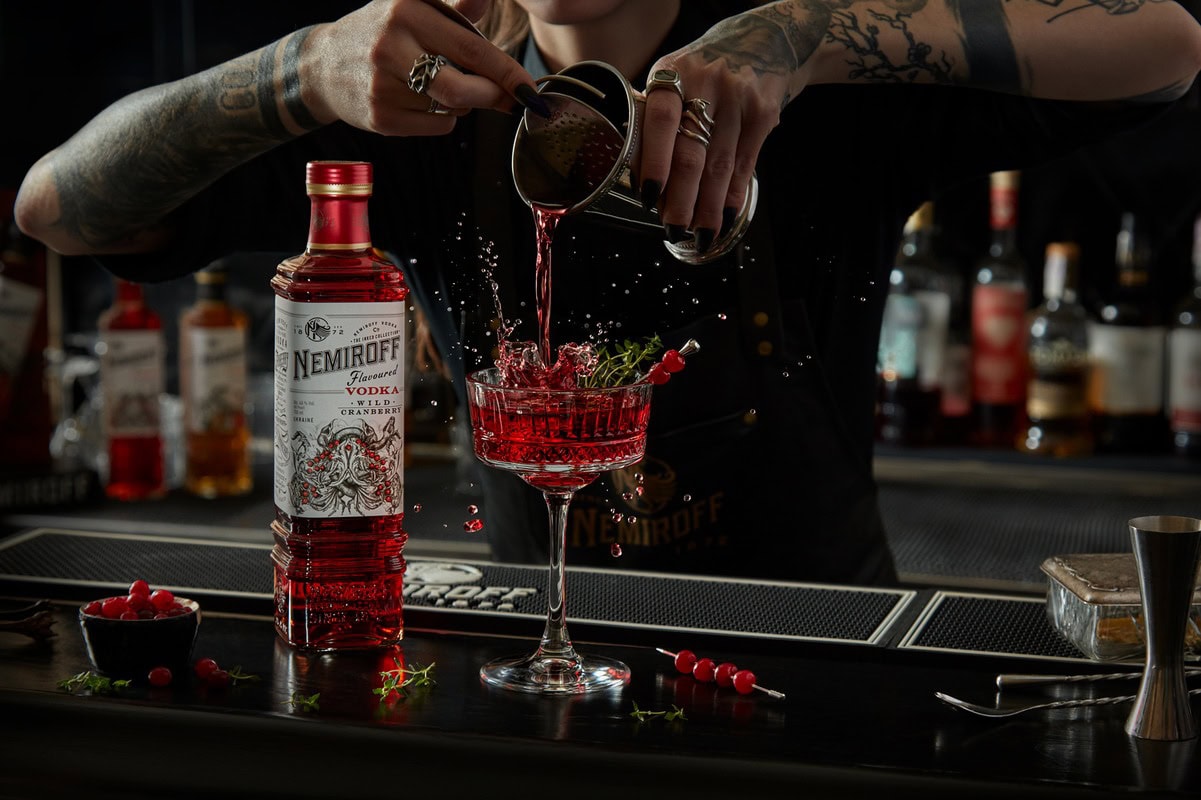
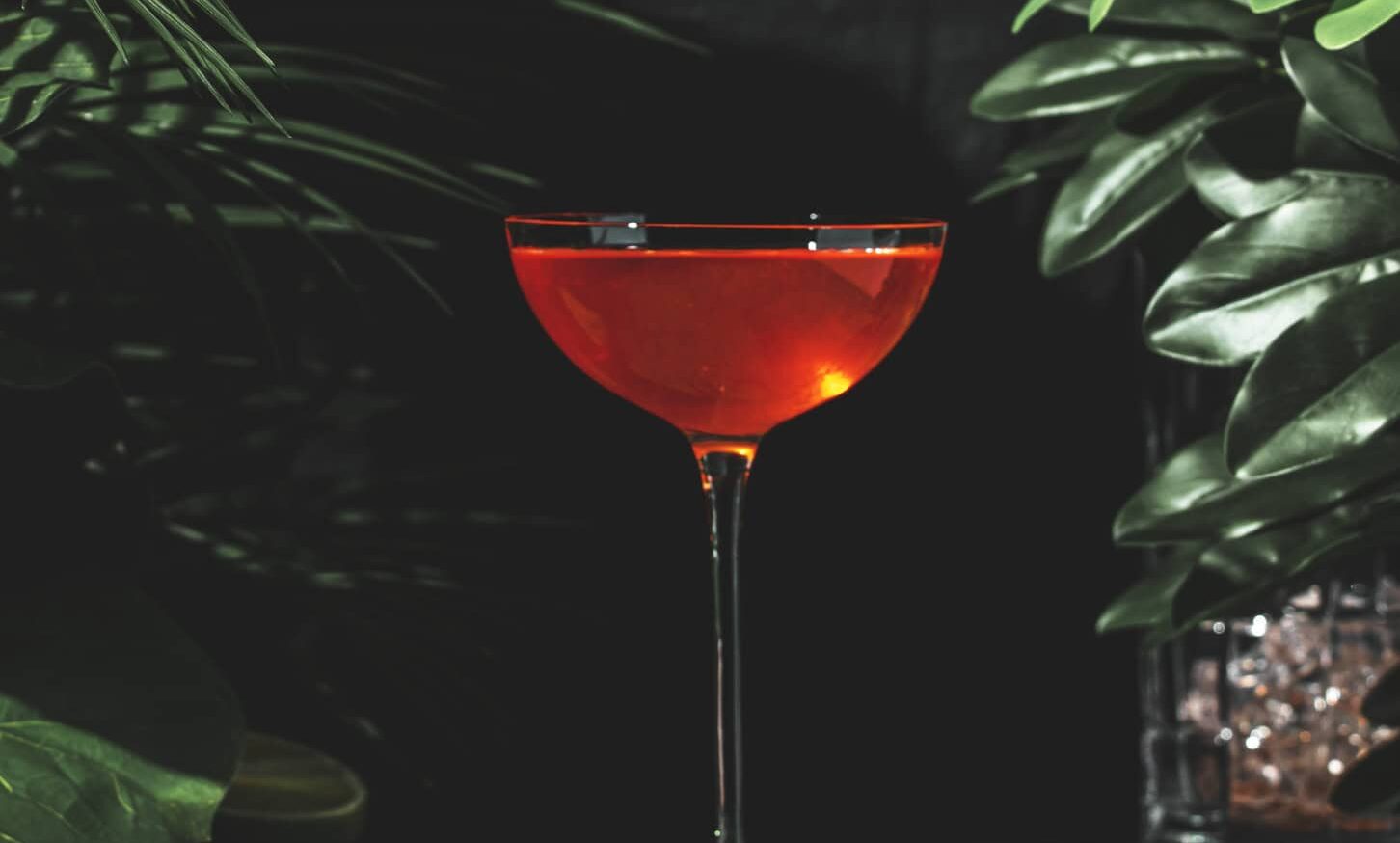
In a professional approach, the technique of tasting vodka often goes beyond the classic forms and includes an analysis of stylistic interpretations, in particular vodka cocktails. These are evaluated in terms of the balance of components, the role of the base ingredient and the aroma that unfolds in a new context.