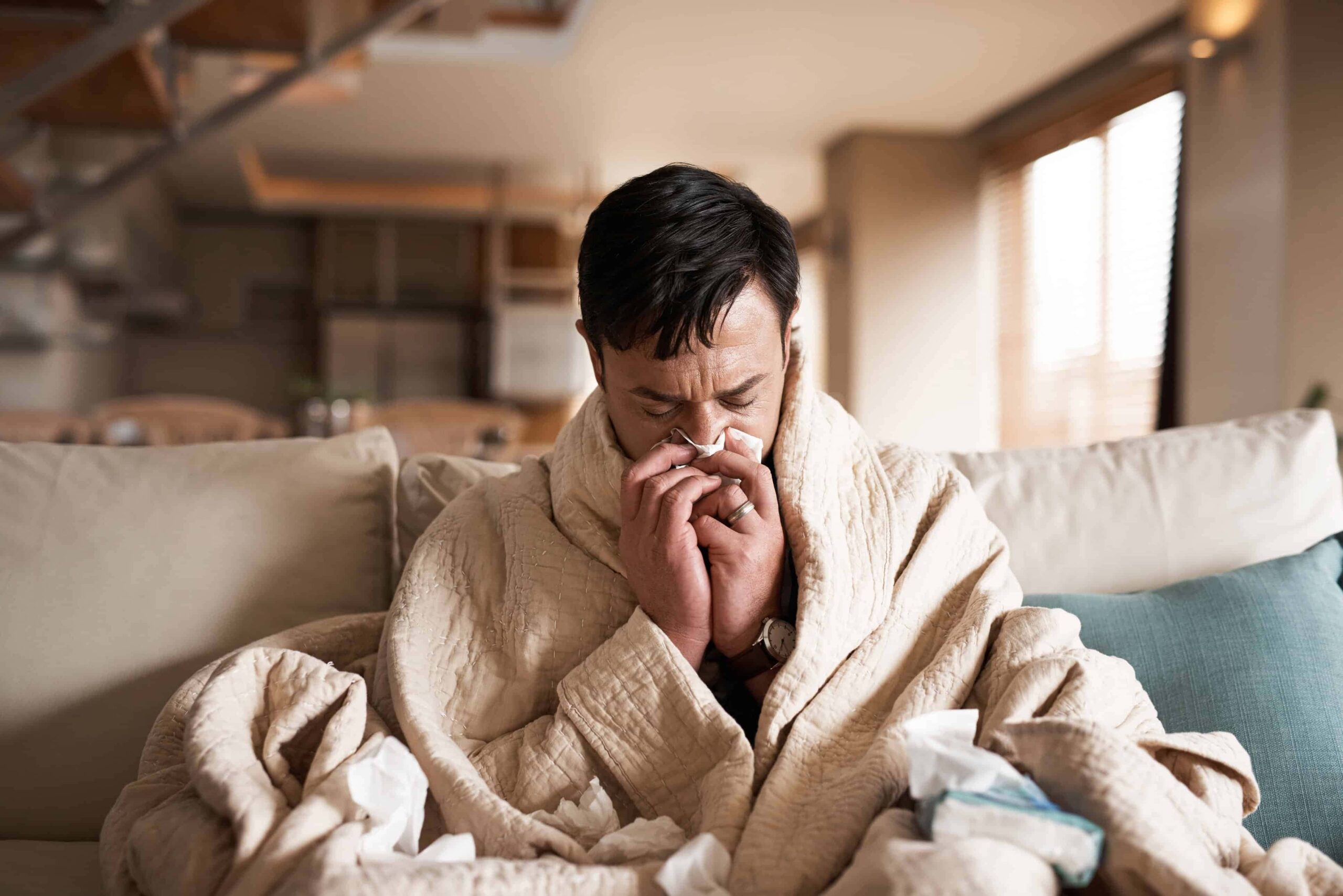
The widespread belief that vodka can cure a cold has been passed down from generation to generation. Vodka with pepper, honey, or hot tea is a “folk remedy” for many people on the first day of illness. But can you really treat a cold with vodka? What are the risks of this approach?
In this article, we will examine the myths about treating colds with vodka, the actual physiological processes in the body during illness, doctors’ opinions, and scientific facts.
Where did the myth about treating colds with vodka come from?
The use of alcohol for colds has historical roots. In times when there were no antibiotics or antiviral drugs, alcohol was considered a means of “expelling” disease from the body. Notably, earlier people used vodka to treat colds as an immune stimulant or antiseptic for the throat.
Alcohol with pepper became especially popular because of its warming sensation and ability to induce light sweating. However, it is more of a cultural stereotype than a medically proven method. Many such practices have been passed down through generations and have not been tested by modern medicine.
How alcohol affects the body during a cold
Alcohol, in particular Nemiroff vodka, has no antiviral effect on the body. It is not capable of neutralizing the pathogen, but it does put a strain on the liver, an organ that is already working hard during illness.
Ethyl alcohol also disrupts the nervous system, slows down reactions, dehydrates the body, and complicates thermoregulation. Under conditions where the body temperature is high, it can lead to cardiovascular problems, especially among weakened individuals.
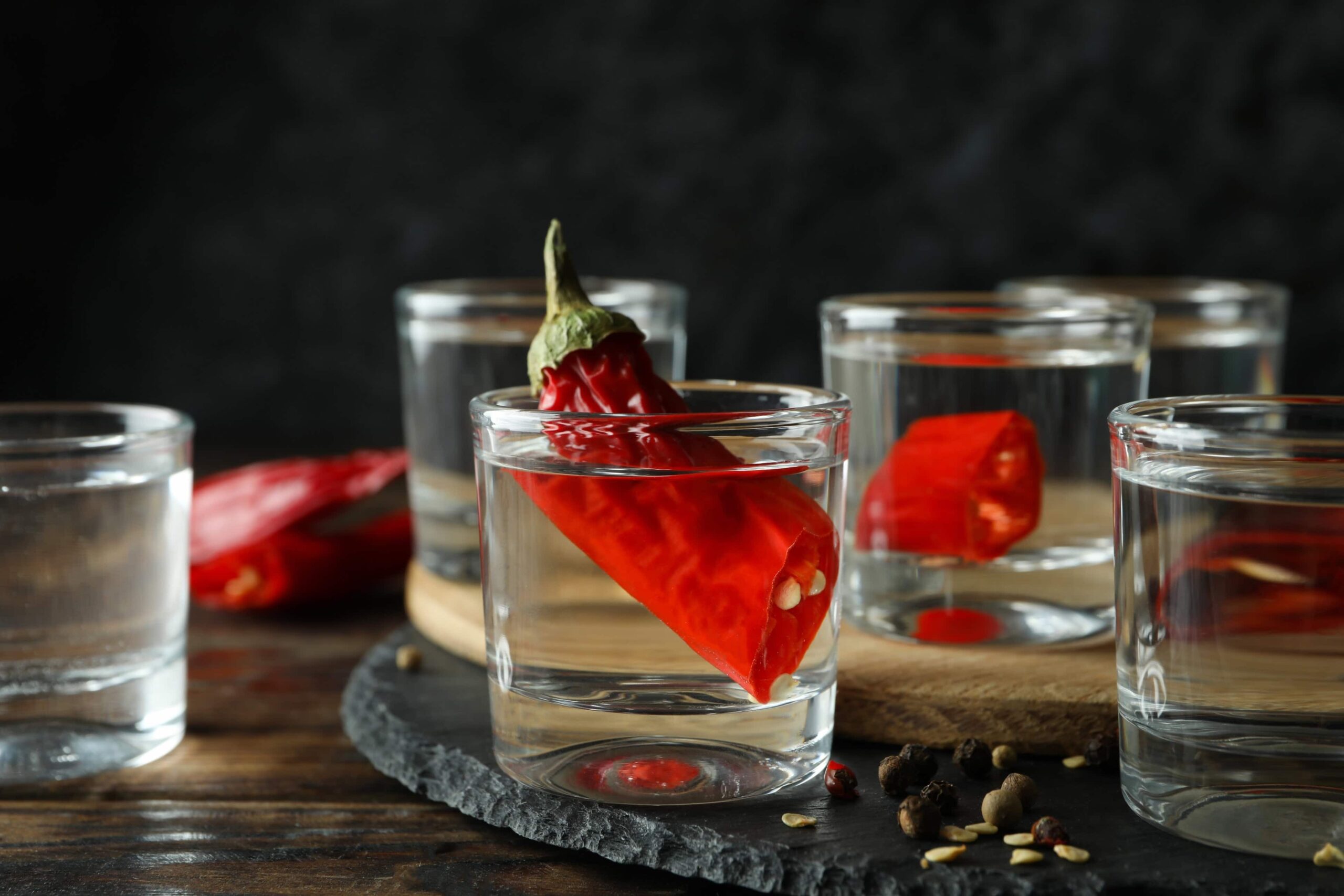
Vodka with pepper, honey, and raspberry jam: traditional recipes
The most common folk remedies that combine alcohol with herbal ingredients are:
– vodka with pepper — to “warm up” and fight infection;
– tincture with honey — to soothe the throat;
– tea with raspberry jam and alcohol — to increase sweating;
– hot milk with vodka — a classic remedy in some regions.
Such combinations have no proven therapeutic efficacy. Facts about treating colds with vodka indicate that such remedies may provide short-term relief, primarily due to the vasodilatory effect of alcohol, rather than any actual anti-cold effect.
What doctors and scientific studies say
Most doctors agree: treating a cold with vodka is not only ineffective, but also dangerous. Studies show that alcohol does not shorten the duration of the virus and does not improve recovery.
Most clinical geneticists emphasize that alcohol has no effect on viruses and can increase intoxication, especially when combined with medication. Alcohol is extremely dangerous when taken with antipyretics or antibiotics.
Potential harm from “treatment” with vodka
Excessive consumption of vodka during illness can trigger:
– increased intoxication due to liver strain;
– risk of allergic reactions or dehydration;
– decreased immune response;
– heart rhythm disturbances;
– dangerous interactions with medications.
Myths about treating colds with vodka can only complicate the course of the disease.
When vodka can be part of treatment (external use)
The only relatively safe use of vodka for medical purposes is external use, but only in situations where there is no access to pharmacy antiseptics.
The most common options are:
– wiping the body at high temperatures (reducing fever by evaporating alcohol from the skin surface);
– cleaning the edges of open wounds or scratches if no other means are available;
– spot application to the skin in case of pustules (e.g. adolescent rashes);
– wiping the feet to eliminate unpleasant odours or prevent fungal infections.
In any case, only pure alcohol should be used, without additives, flavorings, or colorants. For example, Nemiroff products are made from high-quality raw materials and undergo multi-stage filtration, which is especially important when in contact with the skin.
Alternative and safe ways to fight colds
The most effective methods of fighting SARS are not related to alcohol consumption. Modern evidence-based medicine emphasizes a comprehensive but gentle approach that supports the body’s natural defenses.
Basic recommendations include:
– timely consultation with a doctor;
– sufficient fluid consumption — water, tea, herbal teas;
– plenty of sleep and rest;
– humidification of the air;
– light meals — low-fat soups, vegetables, fruits.
These measures have no side effects and help the body recover naturally.
Conclusion: to treat or not to treat?
Treating colds with vodka has not been scientifically proven and carries more risks than benefits. Drinking alcohol during illness can complicate the course of the disease and delay recovery. To support the body, it is important to follow proven recommendations and consult a specialist if it is needed.