There are no trifles in vodka production. What the consumer feels in every sip is the result of a complex technological chain, based on the quality of raw materials. From the purity of water to the type of grain, everything affects the clarity, aroma, texture, and aftertaste.
The impact of raw material quality on the taste of vodka is not limited to the selection of ingredients. It is a combination of processes that begin in the field — with the harvesting of wheat or rye — and end in the quality control laboratory. Any disruption at any stage affects the final product. That is why professional producers, including the Nemiroff company, invest in tracking the chain “from grain to bottle.”
Why raw materials quality is critical for taste
The alcohol that forms the basis of vodka is the result of processing raw materials. Its organoleptic properties depend on the initial characteristics: the quality of water and grain, as well as control over fermentation and purification. If low-grade components are used at the input stage, the output will be a product with an aggressive aroma, chemical notes, and a sharp aftertaste.
Why is the quality of raw materials important in vodka? Because it determines not only the purity but also the character of the drink. High-quality grain forms a rounded taste, natural water gives a soft texture, and proper purification ensures the absence of impurities. It is especially noticeable when tasting premium samples, when even slight deviations become apparent.
Natural raw materials for premium products
In the premium vodka segment, there is growing attention to the naturalness of raw materials as an indicator of purity, technological compliance, and a modern approach to production. This refers to grain and water that come from verified sources and do not contain any foreign impurities.
Such raw materials are obtained from farms that adhere to high standards of cultivation: no aggressive agrochemicals, preservation of the natural balance of the soil, and careful processing without excessive mechanization. Water quality is also subject to constant monitoring to avoid any foreign influences on the future alcohol.
All subsequent stages of production — grain cleaning, fermentation, rectification — are adapted to the requirements for natural raw materials. In particular, no flavorings, stabilizers, or other synthetic additives are used. This allows to preserve a pure, balanced taste, in which the grain base plays the leading role.
Premium natural vodka is usually distinguished by:
– the absence of synthetic flavorings or flavor enhancers;
– pure aroma — no sharp alcohol tone or chemical notes;
– stable texture and a smooth aftertaste.
For example, Nemiroff flavored vodka uses natural ingredients — a grain base is combined with infusions of real herbs, spices, and fruits. This approach allows for a multi-layered flavor profile without the need for artificial additives, maintaining a balance between traditional recipes and modern consumer expectations.
Grain base: wheat, rye, and other crops. Is there really a difference?
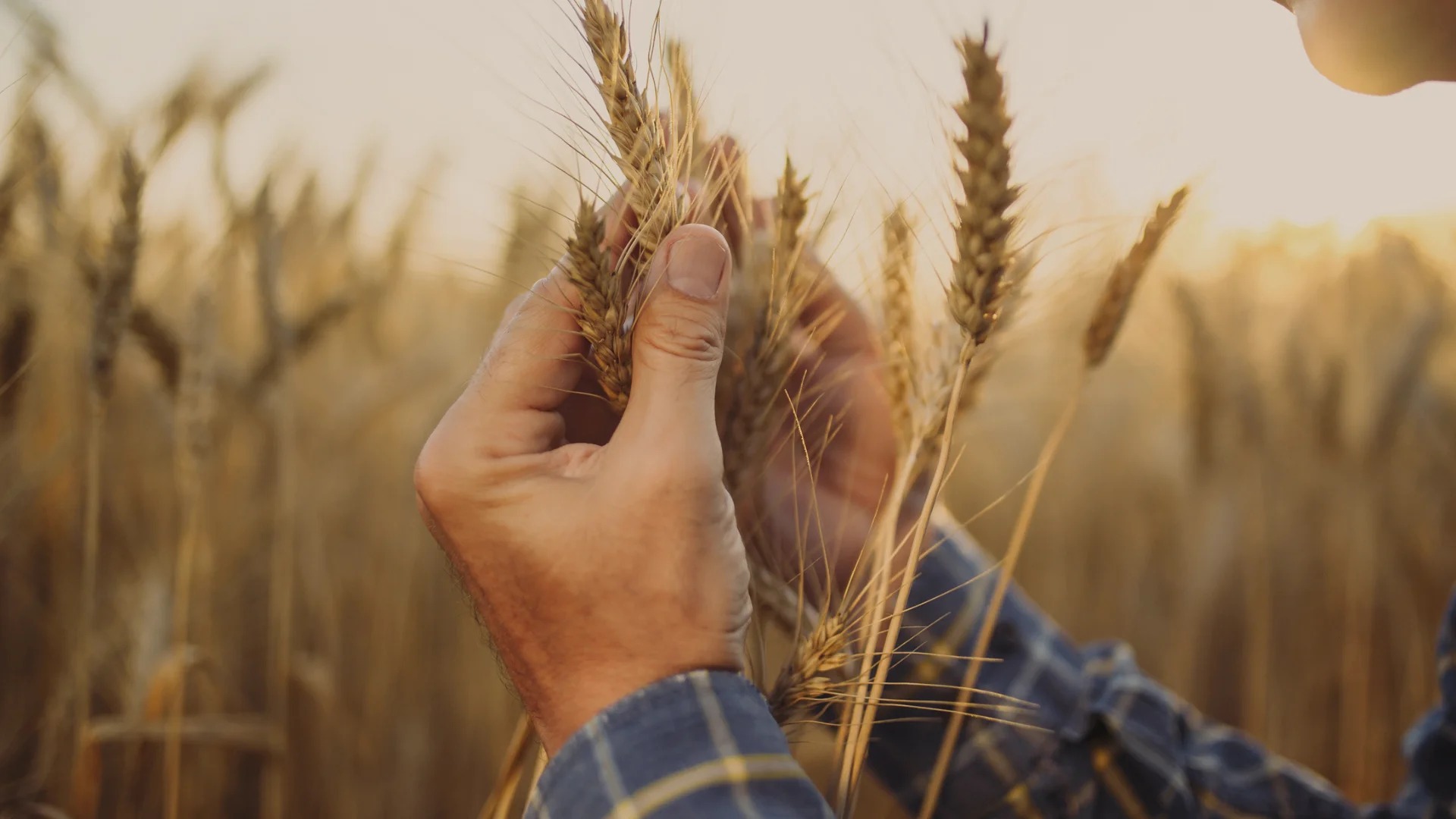
The widespread belief that a particular type of grain crop influences the taste and aroma of vodka is somewhat exaggerated. In fact, it is not the type of raw material (wheat, rye, corn, etc.) that is decisive, but its quality and compliance with technological processes at all stages of production — from fermentation to rectification. It is the imperfection of raw materials or violations in the processes that can cause taste and aroma deviations.
If high-quality grain is used and technological regulations are strictly adhered to, “Lux” class alcohol should be organoleptically neutral, regardless of the type of crop. In this case, the final vodka does not show any differences in texture, aroma, or aftertaste.
Rethinking traditional ideas about raw materials
In vodka production, a conventional classification of the best raw materials for vodka has long been used based on their expected effect on taste:
– wheat — a source of softness and purity;
– rye — richness, spicy or sour notes;
– corn — sweet accents;
– potatoes — oily texture;
– mixed crops — for more complex recipes.
However, in modern production, providing that purification and rectification technologies are followed, such differences do not have a significant organoleptic effect. The taste characteristics are primarily influenced by the quality of the grain, the precision of the processes, and the manufacturer’s internal standards.
Stability as the basis of taste
Nemiroff company, for example, focuses not on the type of grain, but on supply chain control — from raw material selection to the final alcohol inspection. This ensures consistency in taste characteristics regardless of the crop from which the product is made.
Thus, differences that are sometimes attributed to a particular type of raw material are in most cases the result of deviations in the production process rather than a characteristic of the crop itself.
Fermentation: the role of yeast and process control
Fermentation is the initial biochemical stage during which yeast converts sugars into alcohol. For example, the Nemiroff production plans to introduce a comprehensive fermentation system in its production process that will ensure stable quality of the alcohol base at an early stage of production.
The project involves the use of special strains of cultured yeast developed to reduce the formation of aldehydes and fusel oils. Automated control of key parameters such as temperature, pH, sugar content, and degree of alcoholization is also planned.
The fermentation of vodka raw materials is expected to take 48–72 hours with maximum process control accuracy. This approach will create a homogeneous, controlled base for further rectification in accordance with the brand’s high quality standards.
Raw material purification and distillation
Before distillation, there is the cleaning of raw materials to reduce the concentration of impurities. The grain is washed off dust, mold, and foreign matter. Then it undergoes grinding and preparation for fermentation.
Distillation is not just a simple process of separating by boiling. It is a method of selective separation of fractions: head (with a high content of harmful compounds), heart (ethanol), and tail (water-alcohol residues). It is the middle fraction that is used for production.
Purifying the raw materials for vodka, combined with proper distillation, allows for a structured, smooth taste. While filtration (charcoal, silver, platinum filters) removes residual impurities, distillation is responsible for the fullness and “body” of the drink.
How does water filtration affect the taste of vodka?
Water filtration is one of the most important stages of production, determining the purity and taste profile of the beverage. Water accounts for up to 60% of the final product, so its quality has a critical impact on the result.
Before use, water undergoes multi-stage treatment: mechanical purification, carbon filtration, reverse osmosis, and sometimes additional mineralization. The process of selecting parameters depends on the initial composition of the water and the desired structure of the vodka.
Regarding premium products, such as those in the Nemiroff line, additional softening and ultrafiltration technologies are used. It allows for a smooth entry of the drink, free of foreign tastes, and a more pronounced grain profile.
Water and the taste of vodka are directly related. An excess of minerals can make the texture harsh, while overly demineralized water can make it “flat.” Therefore, filtration is not aimed at removing everything, but at creating a balanced background.
In conclusion: how to choose vodka based on the quality of raw materials
The influence of raw material quality on the taste of vodka is not a hypothesis — it is a proven fact. Every stage, from the grain to the filtration, is important for the final profile. The better the raw material, the more distinctive and delicate the result.
Several objective benchmarks help to assess the quality of a drink:
– transparency and structure of the drink;
– aroma — clean, without sharpness;
– label — information about raw materials, water, technology;
– origin — organic ingredients.
Why is the quality of raw materials important in vodka? Because only a natural, controlled base allows you to achieve the depth of taste that does not need to be masked with additives. It forms the texture, influences the aroma, and determines the purity of the aftertaste.
When choosing vodka, it is worth focusing not only on the brand, but also on the composition, production technology, and transparency of origin. These factors enable you to experience the product fully, without unnecessary additives.
For more information about the product range and approach to quality, see the Nemiroff catalog.